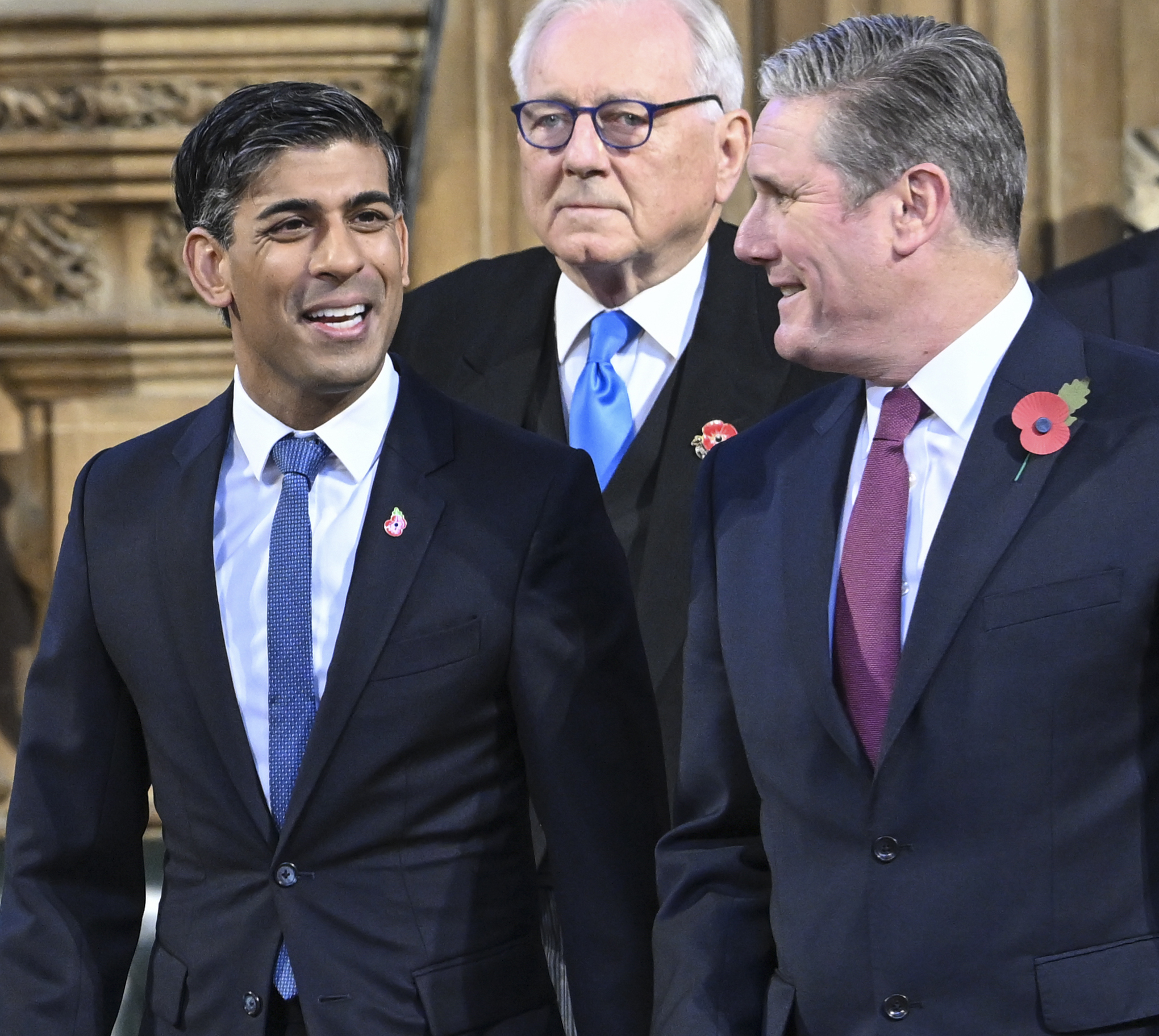
Andy Burnham, the Mayor of Greater Manchester, is positioning himself as a potential challenger to Prime Minister Keir Starmer [1].
Burnham is attempting to transform his local governance record into a national political movement. By leveraging his success in Greater Manchester, he aims to present a viable alternative to the current leadership of the Labour Party [1, 2].
Central to this strategy is a concept Burnham calls "Manchesterism" [2]. This vision promotes the idea that the regional successes of Greater Manchester can serve as a blueprint for the entire United Kingdom [1, 2]. He specifically points to the Bee Network, a publicly controlled transport scheme, as a primary example of a model that can be replicated nationally [1, 2].
Burnham also highlights economic data to support his bid. He said employment growth in Greater Manchester has outpaced the rest of the U.S. [1]. This economic performance is a cornerstone of his argument that his approach to governance delivers superior results compared to national strategies [2].
To transition from local to national power, Burnham is preparing to stand in a parliamentary by-election [3, 4]. However, reports vary on the specific seat he will contest. Some sources said he will be the Labour candidate for the Makerfield by-election [3], while other reports indicate he plans to stand in the Gorton and Denton by-election [4].
This move represents a significant gamble for the mayor, as it requires him to secure a seat in the House of Commons before he can realistically challenge for the premiership [3]. The timing of this bid coincides with ongoing debates within the Labour Party regarding the direction of the country's economic, and transport policies [2].
“Burnham is attempting to transform his local governance record into a national political movement.”
Burnham's bid represents a shift toward 'devolutionary' politics, where regional mayors use their localized executive power to build a profile that bypasses traditional party hierarchies. If successful, 'Manchesterism' could signal a move away from centralized London-based governance toward a model that prioritizes regional economic hubs and public control of infrastructure.