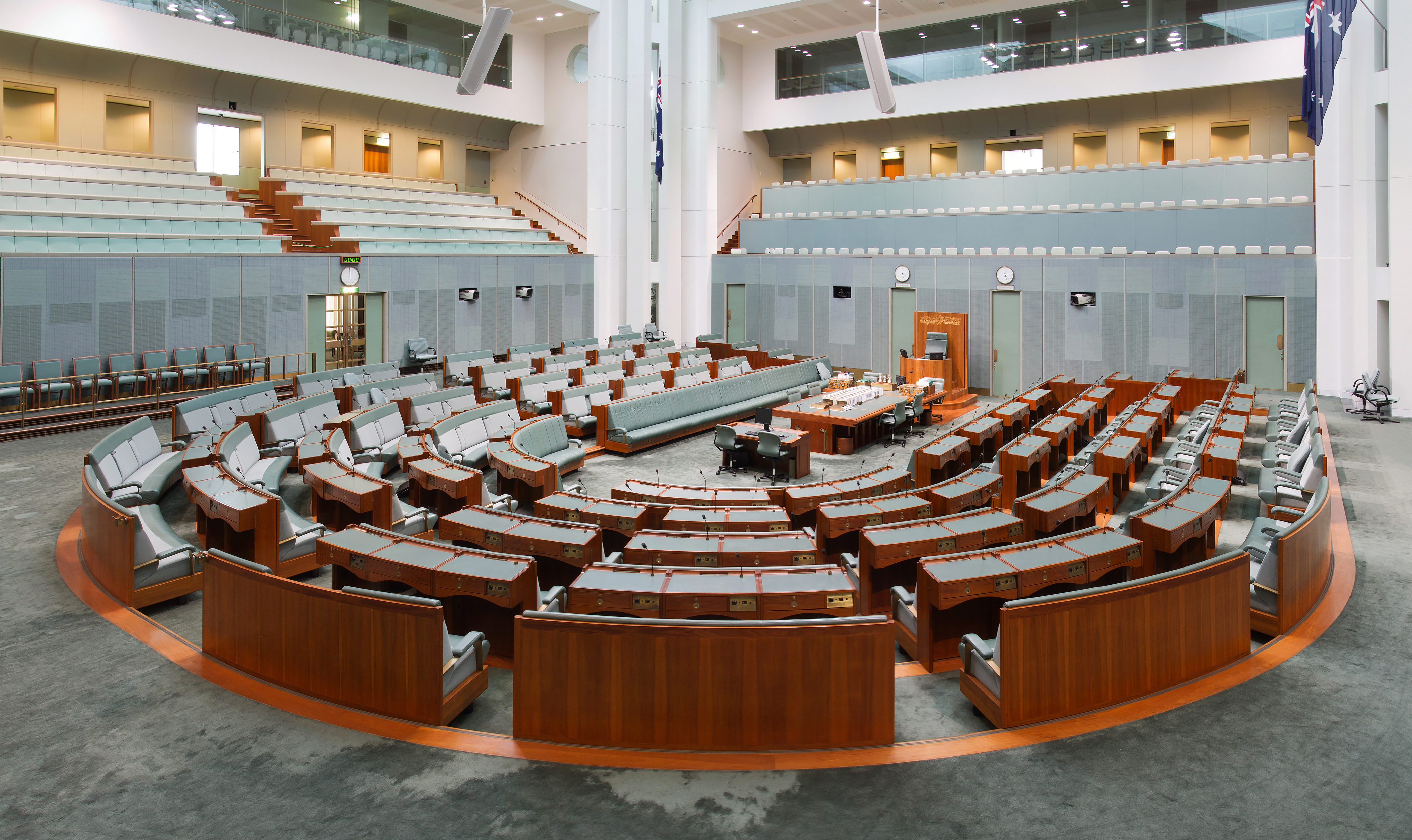
The Australian House of Representatives passed revised tax reforms modifying negative-gearing and capital-gains-tax rules on Thursday [1].
These changes represent a significant shift in the government's fiscal strategy following intense pressure from the private sector. By altering the original proposals, the Labor government sought to balance its revenue goals with the demands of investors and business organizations who argued the initial plan was too aggressive.
Prime Minister Anthony Albanese (Labor) led the push for the legislation in Canberra [1]. The revised measures come after weeks of criticism from business groups and investors who said the original framework would stifle investment [2]. The government adjusted the rules to retain political support for its broader fiscal agenda while still implementing core changes to how property and assets are taxed [1, 2].
The legislation moved through the House of Representatives with a clear majority. The final vote count recorded 94 members in favor and 48 against [1].
Despite the passage of these reforms, the government faced further scrutiny regarding other tax issues. Labor rejected calls to end bracket creep — the process where inflation pushes taxpayers into higher tax brackets — as part of this legislative package [1]. This decision ensures that while negative gearing and capital gains rules are modified, the impact of inflation on nominal income will continue to affect taxpayer brackets.
The revised laws aim to stabilize the investment climate while addressing specific loopholes in the tax code. The government said that the modifications were necessary to ensure the reforms remained viable and did not trigger a mass exit of capital from the Australian market [2].
“The final vote count recorded 94 members in favour and 48 against.”
The passage of these modified reforms suggests a compromise between the Labor government's desire for tax equity and the economic reality of investor influence. By scaling back the original proposals, the government has avoided a total deadlock with the business community, though the refusal to address bracket creep leaves a significant point of contention for middle-income earners.


