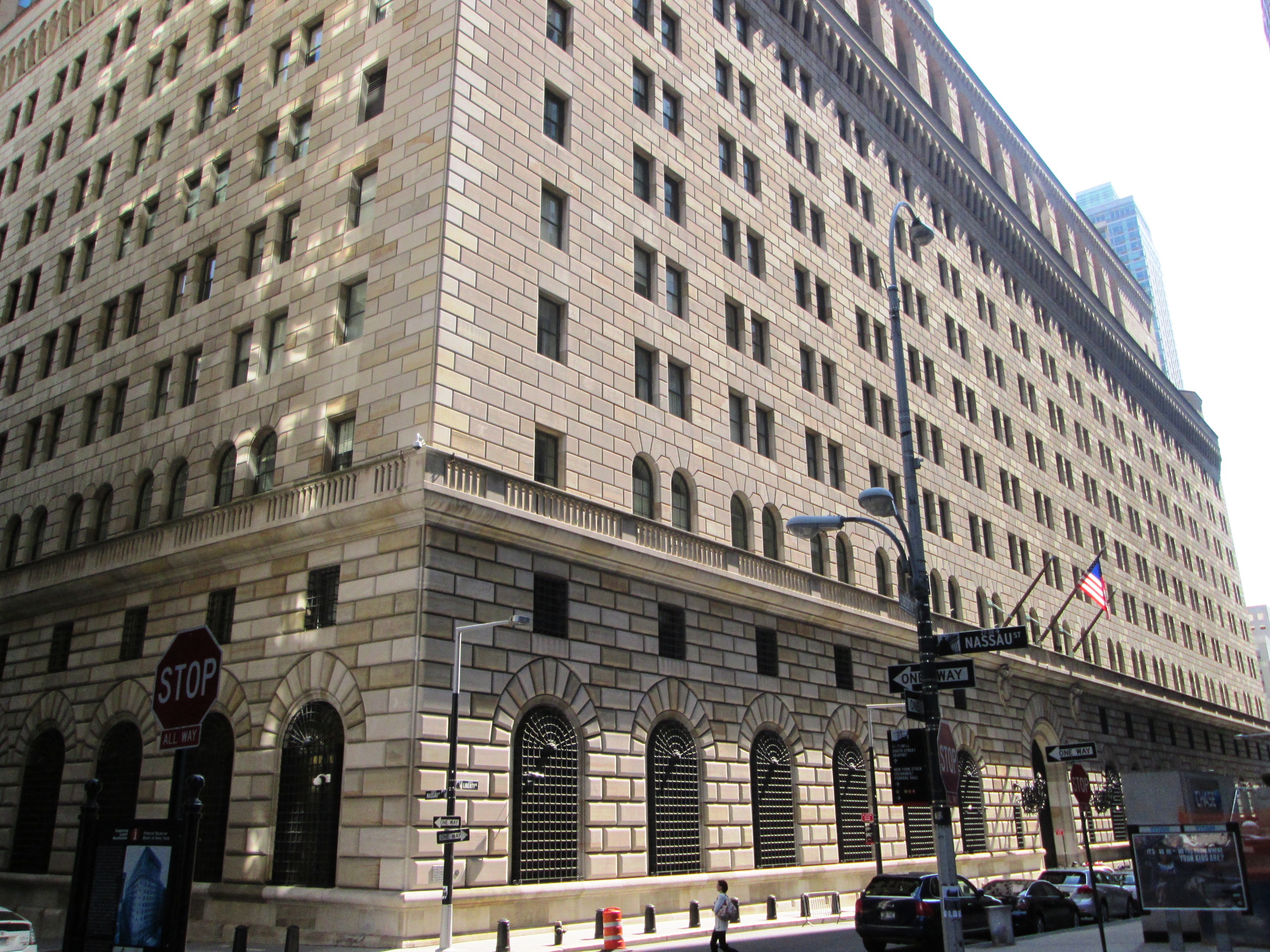
Former Federal Reserve Bank of New York president Bill Dudley said Chairman Kevin Warsh is undermining the central bank's credibility through flawed policy communication [1].
The critique highlights a growing tension over how the Federal Reserve signals its intentions to the public. If the central bank is perceived as overly dependent on market expectations rather than independent data, it may lose its ability to steer the U.S. economy effectively.
Dudley, now a Bloomberg Opinion columnist, targeted Warsh's behavior following a recent decision to leave interest rates unchanged [1]. Specifically, Dudley said the Chairman's silence after the meeting was "quite deafening" [1].
According to Dudley, the Chairman's approach relies too heavily on market views to shape policy [3]. This strategy, Dudley said, constitutes a mistake that could damage the institution's standing [3].
The former New York Fed president said he is "pretty nervous" regarding the current trajectory of the Fed's leadership style [3]. He argued that the central bank must maintain a clear, independent voice to ensure stability, rather than reacting to the volatility of investor sentiment.
Warsh's leadership has come under scrutiny during news conferences and televised appearances on Bloomberg Surveillance [1, 2]. The debate centers on whether the Fed should guide the markets or allow market expectations to dictate the pace of policy shifts [1].
“"quite deafening"”
This public disagreement between a former Fed official and the current Chairman underscores a fundamental conflict in monetary policy: the balance between transparency and independence. If the Fed is seen as mirroring market expectations rather than leading them, it risks a feedback loop where market volatility dictates policy, potentially limiting the bank's effectiveness in controlling inflation or supporting employment.


