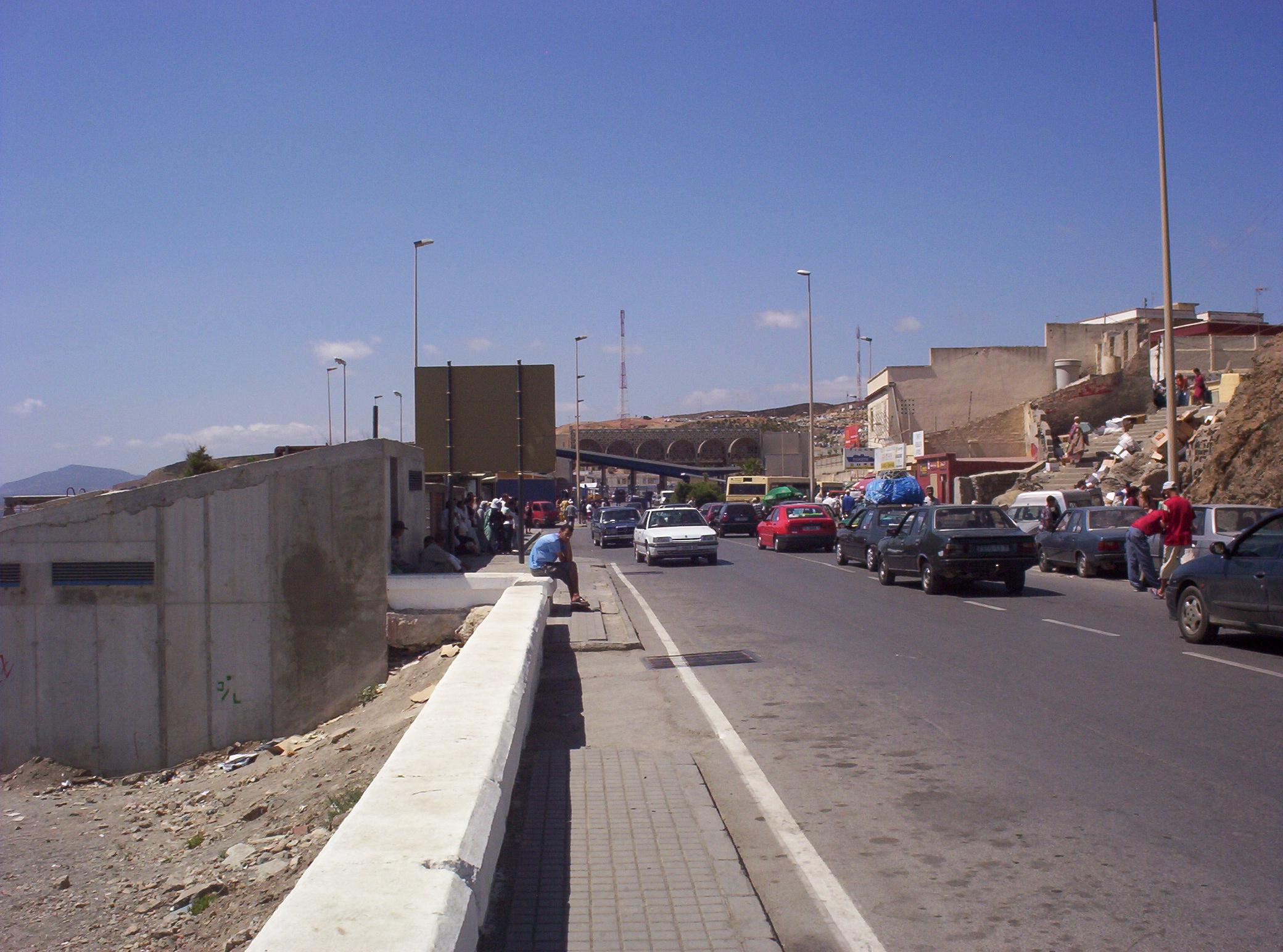
At least 57 migrants have died after tens of thousands crossed the border from Morocco into the Spanish enclave of Ceuta [1].
This mass movement represents a significant humanitarian crisis on the North African coast, straining the resources of the small Spanish territory and highlighting the volatility of migration routes into Europe.
Spanish officials said the death toll rose to 57 [1] following a period of chaos at the border. Earlier reports from the region had indicated at least 18 deaths [3] as the breach first began. The scale of the movement was immense, with approximately 60,000 migrants crossing into Spain [2].
The migrants entered the enclave in large numbers, which triggered the crisis during the breach and the subsequent disorder [3]. The Spanish enclave of Ceuta is located on the coast of North Africa and shares a direct land border with Morocco [3].
Authorities in Ceuta and the Spanish government have been managing the influx of people as the situation evolved over the past few days. The breach resulted in a rapid increase in the population of the enclave, creating urgent needs for medical care, and shelter for those who survived the crossing [1].
Spanish officials have worked to secure the border and provide aid to the thousands of migrants who successfully entered the territory [2]. The event has drawn international attention to the precarious nature of the border between Morocco and the Spanish exclaves.
“At least 57 migrants have died after tens of thousands crossed the border”
The scale of this breach underscores the fragility of border security in the Spanish enclaves and the desperation of migrants seeking entry into the European Union. The rapid escalation from 18 to 57 deaths indicates that the initial chaos of the breach created a lethal environment, while the sheer volume of 60,000 arrivals creates a long-term logistical challenge for Spanish migration authorities.


