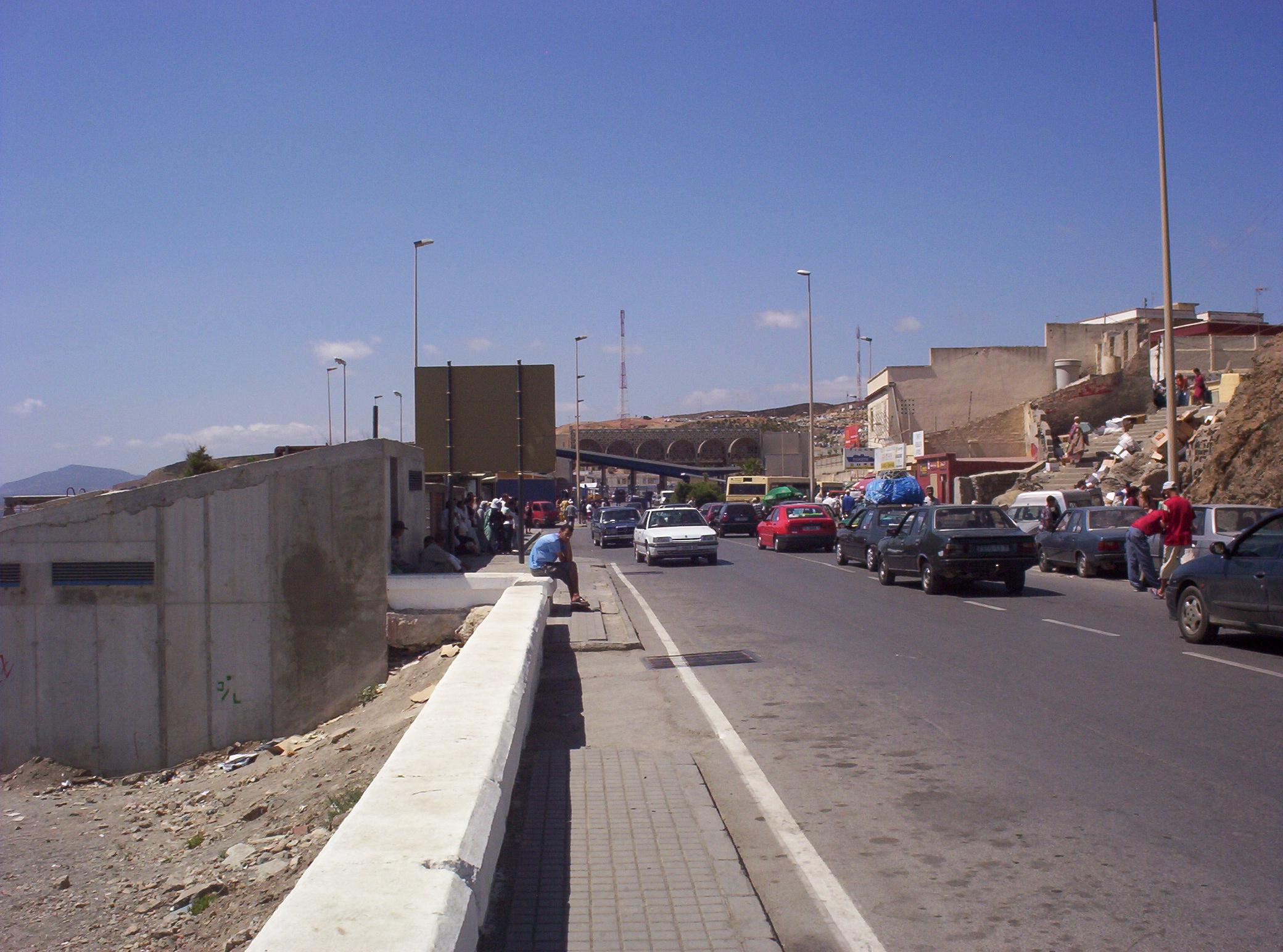
At least 67 migrants died during a mass attempt to enter the Spanish enclave of Ceuta from Morocco this week [1].
The crisis underscores the extreme desperation of refugees fleeing hardship and the volatility of the border between Spain and Morocco. The scale of the crossing has strained local resources and sparked an urgent humanitarian emergency.
Reports indicate that about 66,000 migrants [1] attempted the crossing into the North African enclave. Other reports describe the number as tens of thousands [2] or around 50,000 [3]. The surge was driven by hunger, hostility, and other hardships faced by migrants within Morocco [2].
The chaotic nature of the mass movement led to multiple fatalities. Many of the deaths were caused by drownings and crush injuries as crowds surged toward the border [2]. While some early reports listed at least 18 deaths [4], later updates from multiple sources confirmed the toll reached 67 [1].
Following the initial surge, nearly 50,000 migrants returned to Morocco [1]. The Spanish military and border authorities worked to secure the frontier as the situation stabilized. The event has highlighted the precarious conditions of those attempting to reach Europe through the enclave, a small piece of Spanish territory located on the coast of Africa.
Local authorities and international observers continue to monitor the region as the aftermath of the crossing unfolds. The loss of life remains the central focus of the current humanitarian response in Ceuta.
“At least 67 migrants died during a mass attempt to enter the Spanish enclave of Ceuta”
The Ceuta crisis illustrates the persistent failure of regional migration policies to address the root causes of displacement in North Africa. The discrepancy in death tolls and crossing numbers suggests a chaotic scene where official tracking was difficult, while the mass return to Morocco indicates that the border's physical and political barriers remain a primary deterrent despite the extreme desperation of the migrants.