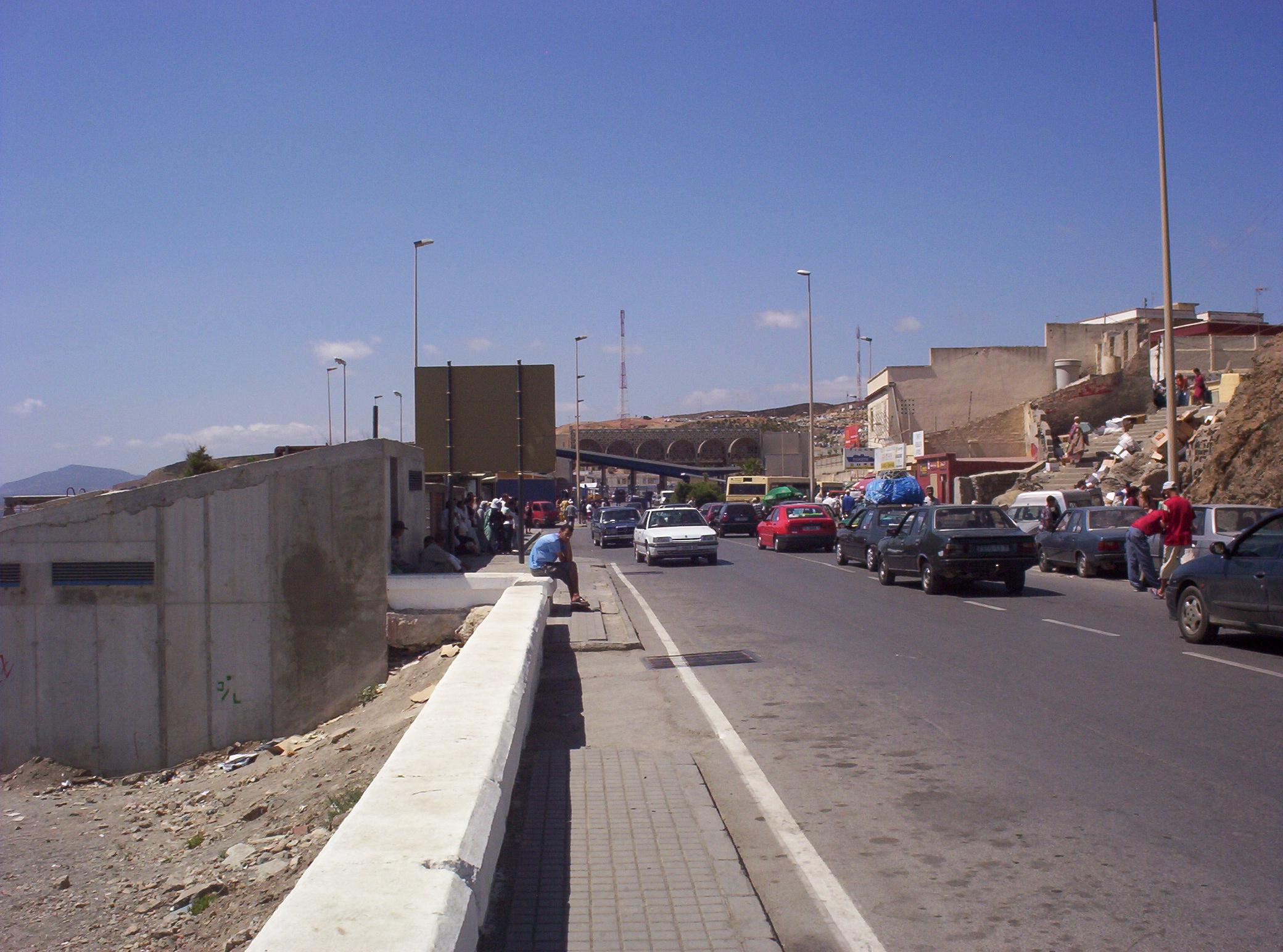
Tens of thousands of migrants crossed from Morocco into the Spanish enclave of Ceuta this week before the majority returned to Morocco [1], [2].
The mass movement highlights a growing humanitarian crisis and the political volatility of the border between North Africa and the European Union. The sudden influx tested the security infrastructure of the enclave and sparked immediate diplomatic tension.
Reports indicate that between 50,000 and 60,000 migrants entered the territory during a 24-hour period on Thursday and Friday [1], [2]. The breach saw large crowds attempting to move into the Spanish territory to seek entry into Europe. By Friday afternoon, 48,300 of those migrants had returned to Morocco [1].
The attempt resulted in significant loss of life, though official counts vary. Some reports state at least 18 people died during the crossing [3], [4], [5]. However, local officials cited by The New York Times said that at least 60 people died [1].
Ceuta is a small Spanish city located on the North African coast. It remains one of the few land borders between the European Union and Africa. The scale of this recent breach is among the largest recorded for the enclave, creating a logistical challenge for Spanish authorities managing the return of the migrants.
Authorities in Ceuta and Morocco have not yet released a joint statement regarding the cause of the deaths or the specific triggers for the mass movement. The return of nearly 50,000 people within a single day underscores the rapid shift in border control measures used to repel the influx [1].
“Between 50,000 and 60,000 migrants entered the territory during a 24-hour period.”
The discrepancy in death tolls and the rapid reversal of thousands of migrants suggest a chaotic environment where official reporting struggles to keep pace with the events on the ground. This event underscores the fragility of the Morocco-Spain border agreement and indicates that Ceuta remains a primary, high-risk flashpoint for migration into the EU.


