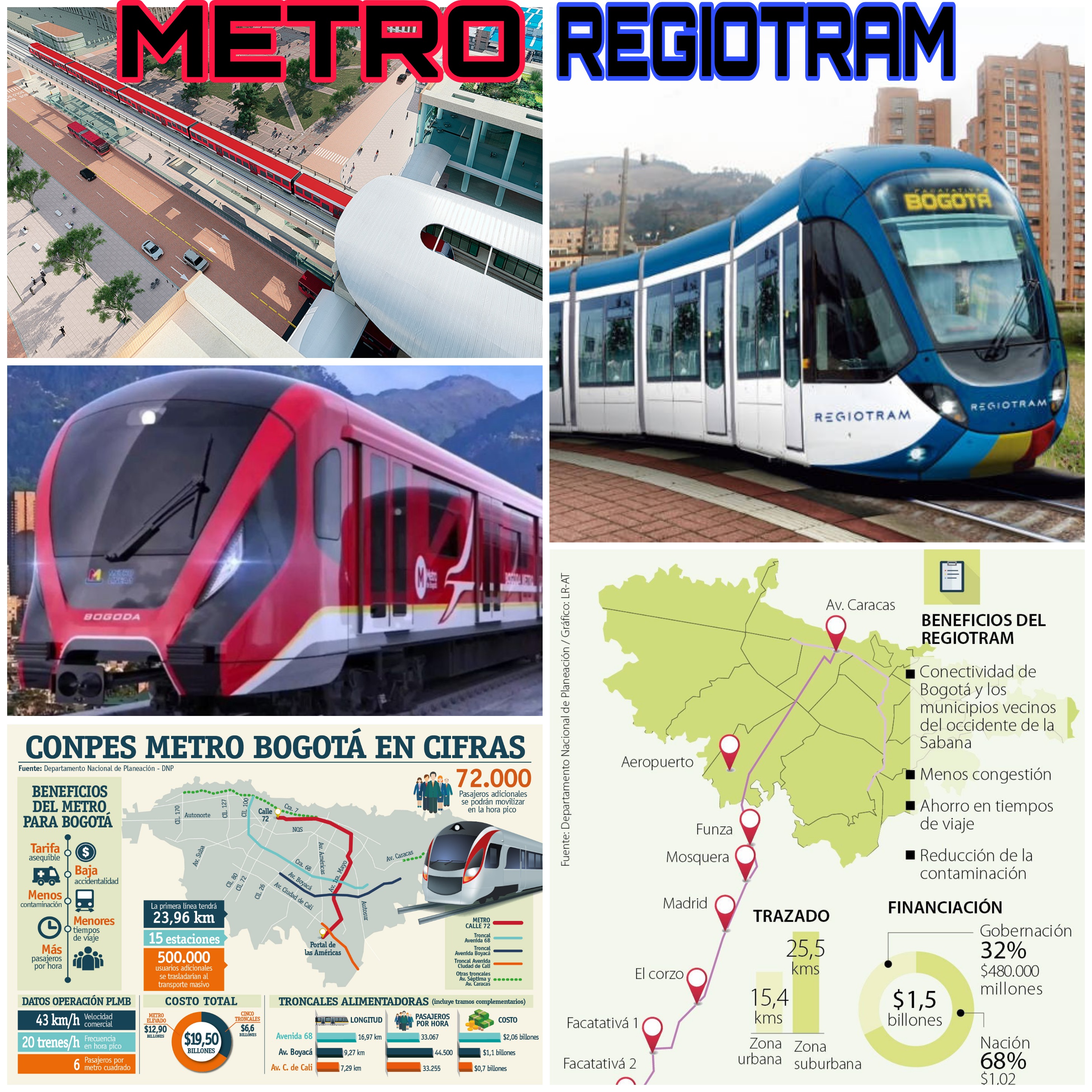
Colombia has installed the first structural beam of the Regiotram de Occidente in Mosquera as the project moves toward a planned opening.
The railway aims to reduce vehicle congestion and improve mobility between the center of Bogotá and the municipalities of the Sabana de Occidente. By providing a fast and sustainable transport alternative, officials said they intend to alleviate the daily commute for thousands of residents.
Governor Jorge Emilio Rey Ángel said the progress followed the arrival of specialized machinery at the port of Barranquilla on May 23, 2026 [1]. This equipment is intended to accelerate the construction phase of the rail link. The installation of the first beam in Mosquera serves as a physical milestone for the infrastructure's development [2].
The Regiotram de Occidente is designed to connect the western region of the savanna with the capital's urban core. The project involves significant engineering works to ensure the rail system can handle the expected passenger volume while maintaining efficiency.
According to project timelines, the Regiotram de Occidente is scheduled to begin operations in November 2026 [3]. The arrival of the machinery in May is a critical step in meeting this deadline, as it allows the construction teams to move faster through the structural phases of the project.
Local authorities said the project is a priority for the region's economic growth. The connection is expected to facilitate the movement of workers and students, reducing the reliance on highways that currently suffer from heavy traffic.
“The Regiotram de Occidente is scheduled to begin operations in November 2026.”
The Regiotram de Occidente represents a strategic shift toward mass transit in the Bogotá metropolitan area. By shifting commuters from roads to rail, the project addresses chronic traffic bottlenecks in the Sabana de Occidente. The arrival of specialized machinery and the placement of structural beams suggest the project is entering its final implementation phase, though the tight window between June and November will test the efficiency of the construction timeline.

