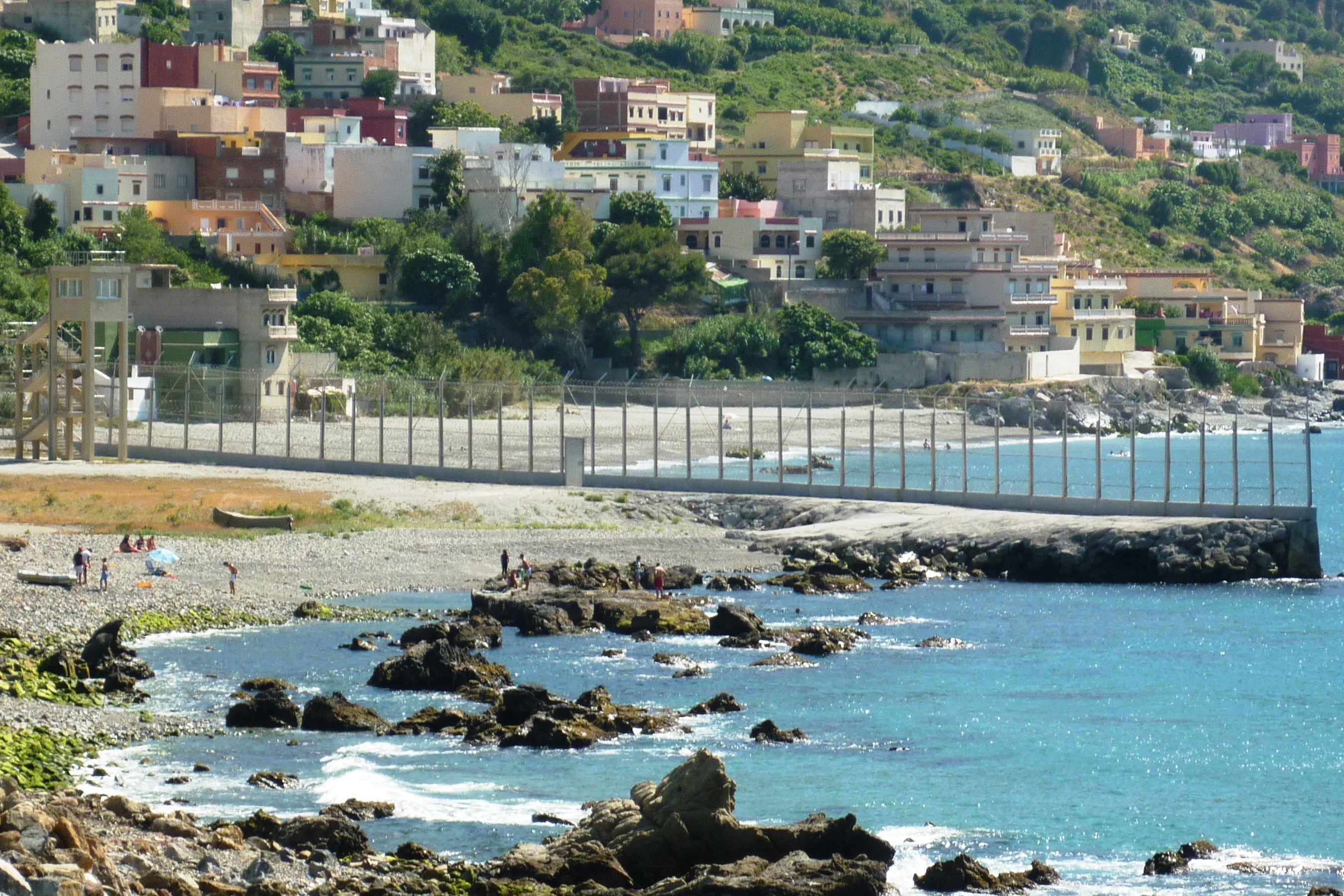
Leaders from 22 EU member states have called for emergency talks to address a sudden influx of migrants into the Spanish enclave of Ceuta [1].
The crisis threatens to destabilize regional border security and tests the European Union's ability to coordinate a unified response to migration surges. Because Ceuta is a Spanish territory located on the North African coast, it serves as a critical external border for the entire bloc.
Reports indicate that between 50,000 [1] and nearly 60,000 [2] migrants have entered the enclave from Morocco. This rapid increase in arrivals has prompted Spanish Prime Minister Pedro Sánchez and other European officials to seek an immediate ministers' meeting in Brussels [1, 3].
The surge has raised urgent concerns regarding the capacity of the enclave to provide humanitarian aid and maintain public order. EU officials said the situation necessitates a collective effort to strengthen the external borders of the union to prevent further uncontrolled crossings [3, 4].
While some reports indicated meetings occurred on Saturday, Aug. 1, other sources noted talks were scheduled for Tuesday [1, 5]. The EU Council is working to finalize a strategy that balances border enforcement with the legal requirements of migrant processing.
The coordination involves a majority of EU countries, reflecting the scale of the humanitarian and security challenge. Officials said the primary goal of the emergency session is to determine how to manage the current population in Ceuta and prevent additional arrivals from Morocco [4, 5].
“Leaders from 22 EU member states have called for emergency talks”
The emergency mobilization of 22 member states highlights the volatility of the EU's southern border and the geopolitical tension between Spain and Morocco. By framing the crisis as a collective EU security issue rather than a bilateral Spanish problem, the bloc is signaling a shift toward more aggressive, centralized border management to deter future mass crossings.


