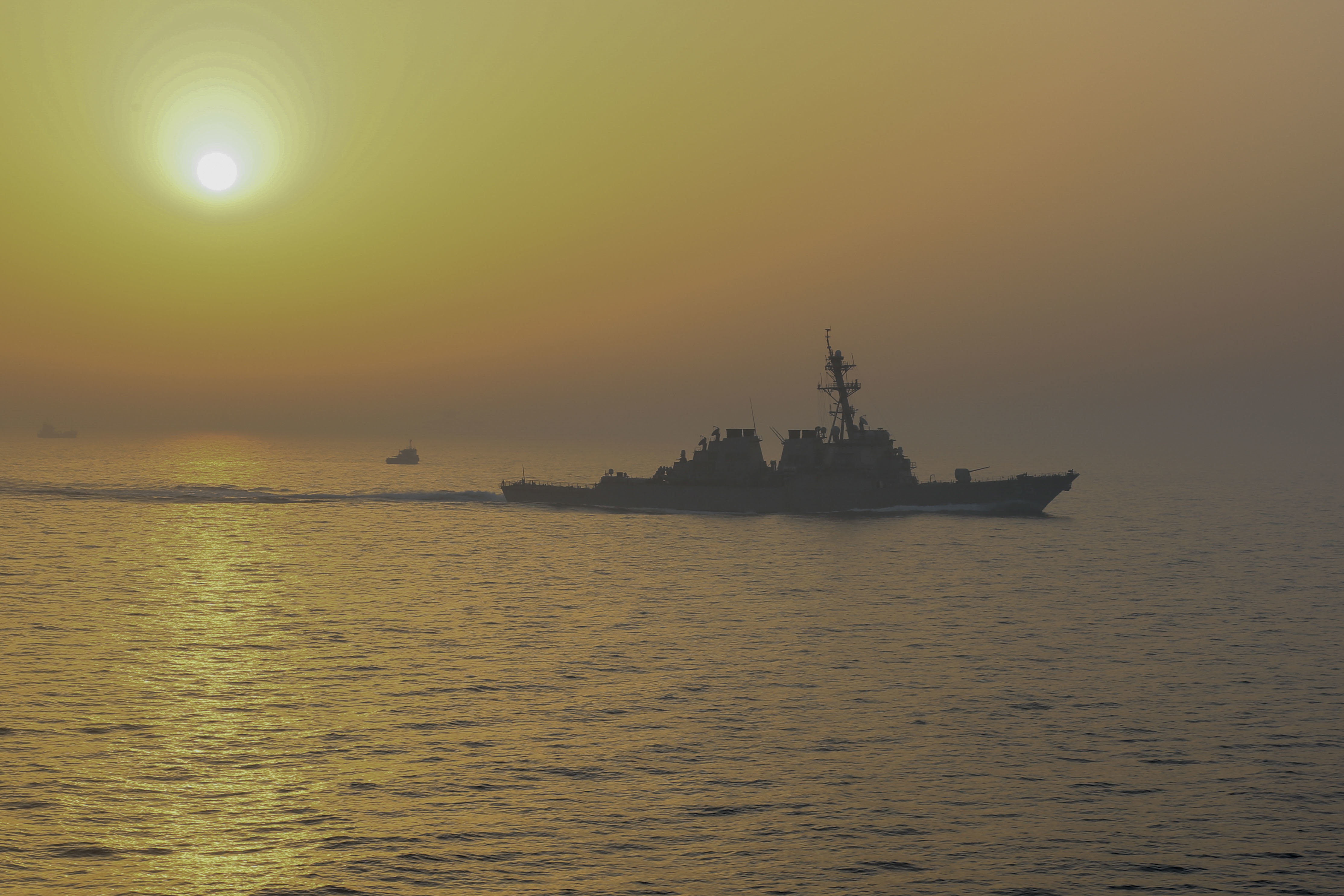
Britain and France are leading a coalition of European allies to send naval vessels to the Strait of Hormuz [1].
The deployment aims to restore the flow of global energy and trade by clearing naval mines from one of the world's most critical maritime chokepoints [1].
The coalition plans to dispatch minesweepers and other specialized ships to the waters between Oman and Iran [1]. These vessels will not deploy immediately but are slated to arrive once the current fighting ends [1]. The primary objective is to ensure safe passage for commercial shipping after the conflict involving Iran subsides [1].
European officials said the mission is necessary to stabilize the region's security architecture. The Strait of Hormuz serves as a vital artery for oil and gas exports, a vulnerability that has historically led to international tension.
While European nations coordinate their response, the diplomatic environment remains volatile. Donald Trump said, "Go get your own oil! France has been VERY UNHELPFUL with respect to ..." [2].
The coalition's strategy focuses on the technical removal of explosives to prevent accidental maritime disasters. By preparing these assets now, the European allies intend to accelerate the return to normal commercial operations the moment a ceasefire or peace agreement is reached [1].
“Britain and France are leading a coalition of European allies to send naval vessels to the Strait of Hormuz.”
This move signals a European effort to maintain independent security guarantees for global energy corridors. By focusing on minesweeping—a technical, post-conflict activity—the coalition seeks to facilitate economic recovery without necessarily escalating current combat operations, though it highlights the fragility of oil transit through the Persian Gulf.


