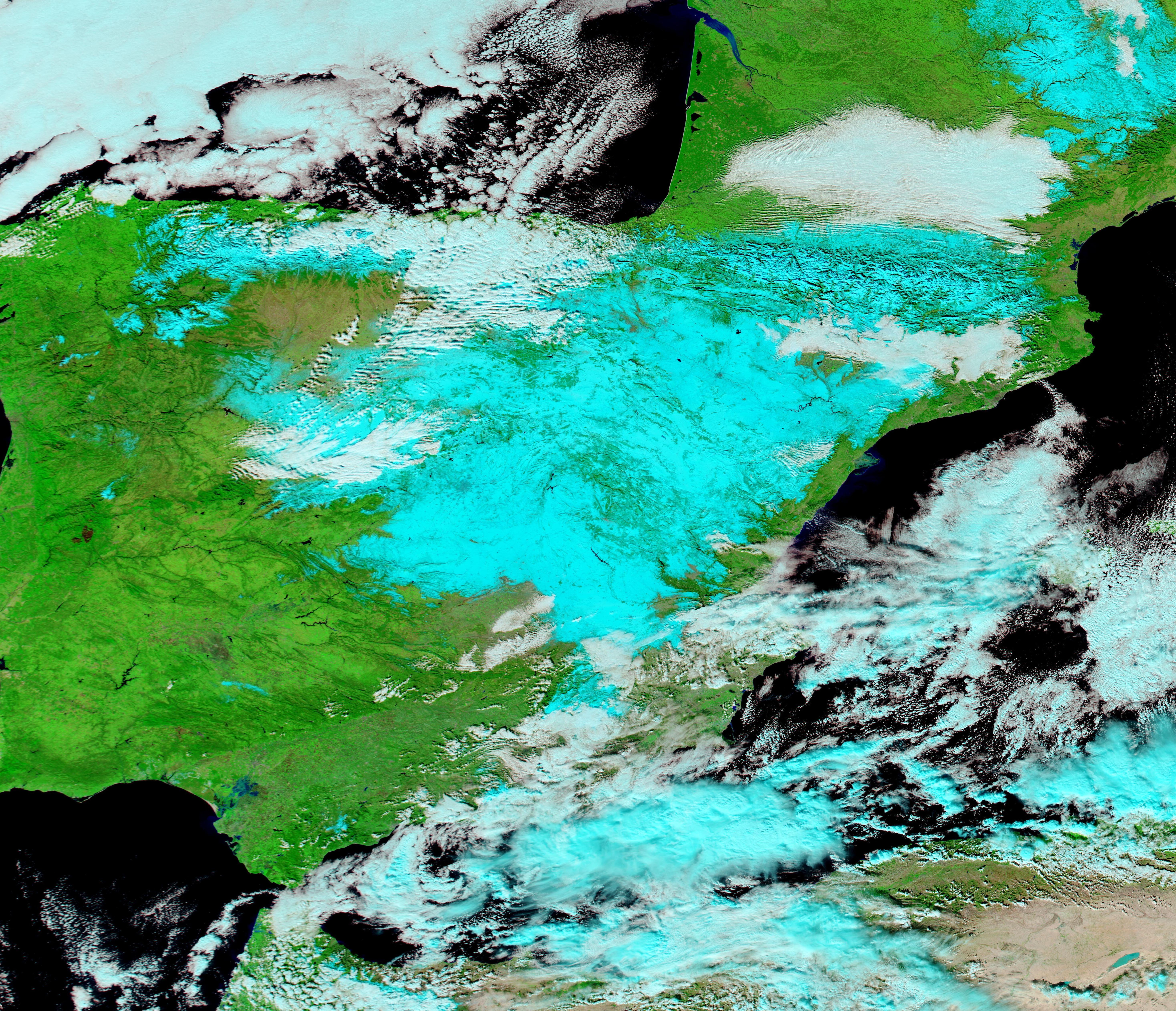
Firefighters in France and Spain are battling out-of-control wildfires that have threatened populated areas since July 26 [1].
The scale of the blazes highlights the increasing vulnerability of Southern Europe to extreme weather. A combination of searing heat and strong winds has turned vegetation into fuel, creating a volatile environment where fires can spread rapidly toward urban centers.
In southwestern France, wildfires have advanced toward the outskirts of Bordeaux [1]. While some reports indicate that certain fires are now mostly contained [2], authorities said they remain on high alert as the region struggles with the current heatwave. The risk to residential areas and vineyards remains a primary concern for local emergency services.
Spain is facing similar crises, with significant fire activity reported in various regions, including areas west of Madrid [3]. The situation in Spain has fluctuated, with some authorities lifting evacuation orders as conditions shifted [4]. However, other reports indicate that wildfires continue to pose a substantial risk to the region despite these temporary improvements [4].
Meteorologists said the fires are being driven by a severe heatwave. Temperatures are projected to exceed 100°F [5], which, coupled with strong winds, has dried out the landscape. This atmospheric combination allows small ignitions to grow into massive conflagrations that are difficult for ground crews to suppress.
Emergency teams from both nations are working to coordinate efforts to prevent the fires from crossing borders or expanding further into densely populated zones. The coordination focuses on aerial water drops, and the creation of firebreaks to halt the forward momentum of the flames [1, 2].
“Wildfires are spreading and remain out of control, threatening populated areas.”
The simultaneous outbreak of fires in France and Spain underscores a pattern of intensifying summer heatwaves in the Mediterranean basin. As temperatures consistently breach the 100°F threshold, the window for containment narrows, forcing European authorities to shift from reactive firefighting to long-term climate adaptation and more aggressive land management to protect urban fringes.


