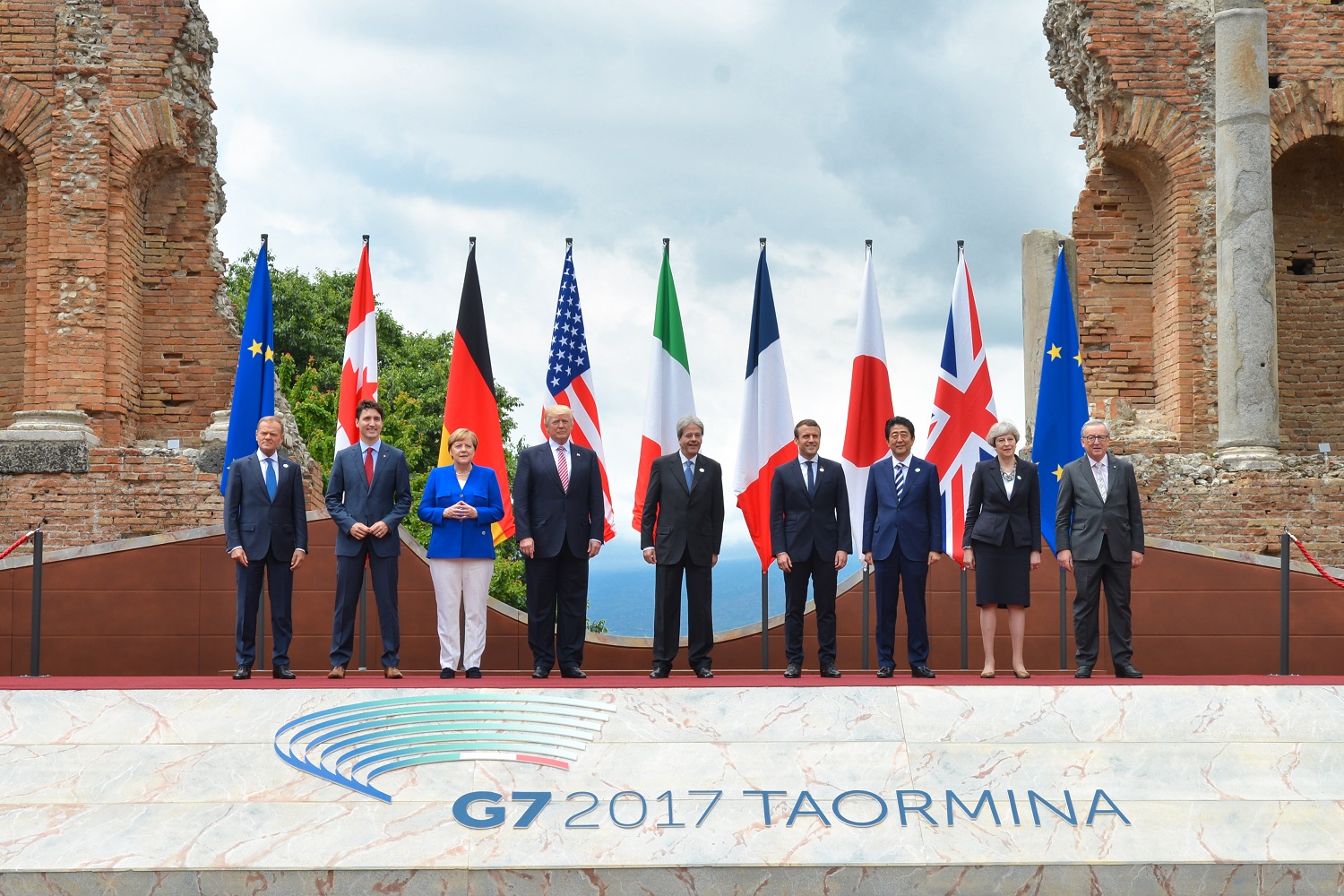
G7 leaders met with representatives from Egypt, the United Arab Emirates, and Qatar in France on June 16, 2026 [1].
The gathering aims to coordinate a global response to the war in Ukraine and the ongoing instability in the Middle East [2]. By including regional powers like Qatar and the UAE, the G7 is attempting to bridge the gap between Western policy and Middle Eastern diplomatic realities to secure a lasting peace.
The high-level meeting took place at the Evian-Les-Bains gathering [3]. Discussions centered on ending current crises and ensuring long-term stability in the region [4]. These talks follow a previous meeting on May 19, 2026, where G7 finance chiefs expressed concern over the economic impacts of the Middle East crisis [5].
Bilateral meetings also occurred on the sidelines of the summit. Prime Minister Narendra Modi and President Donald Trump met for the first time in 16 months [6]. The interaction comes amid a broader effort by G7 nations to align their strategies regarding trade and security in the face of global volatility.
Representatives from the G7 and the invited Middle Eastern nations are working to establish a framework that prevents further escalation in volatile zones. The inclusion of Egypt and the UAE is intended to provide the G7 with direct access to the diplomatic channels necessary for mediating conflicts in the region [1], [4].
“G7 leaders met with representatives from Egypt, the United Arab Emirates, and Qatar”
The inclusion of non-G7 states like Qatar and the UAE signals a shift toward a more inclusive diplomatic architecture. By integrating these regional intermediaries, the G7 is acknowledging that Western economic and military power alone cannot resolve Middle Eastern instabilities without the cooperation of local diplomatic hubs.