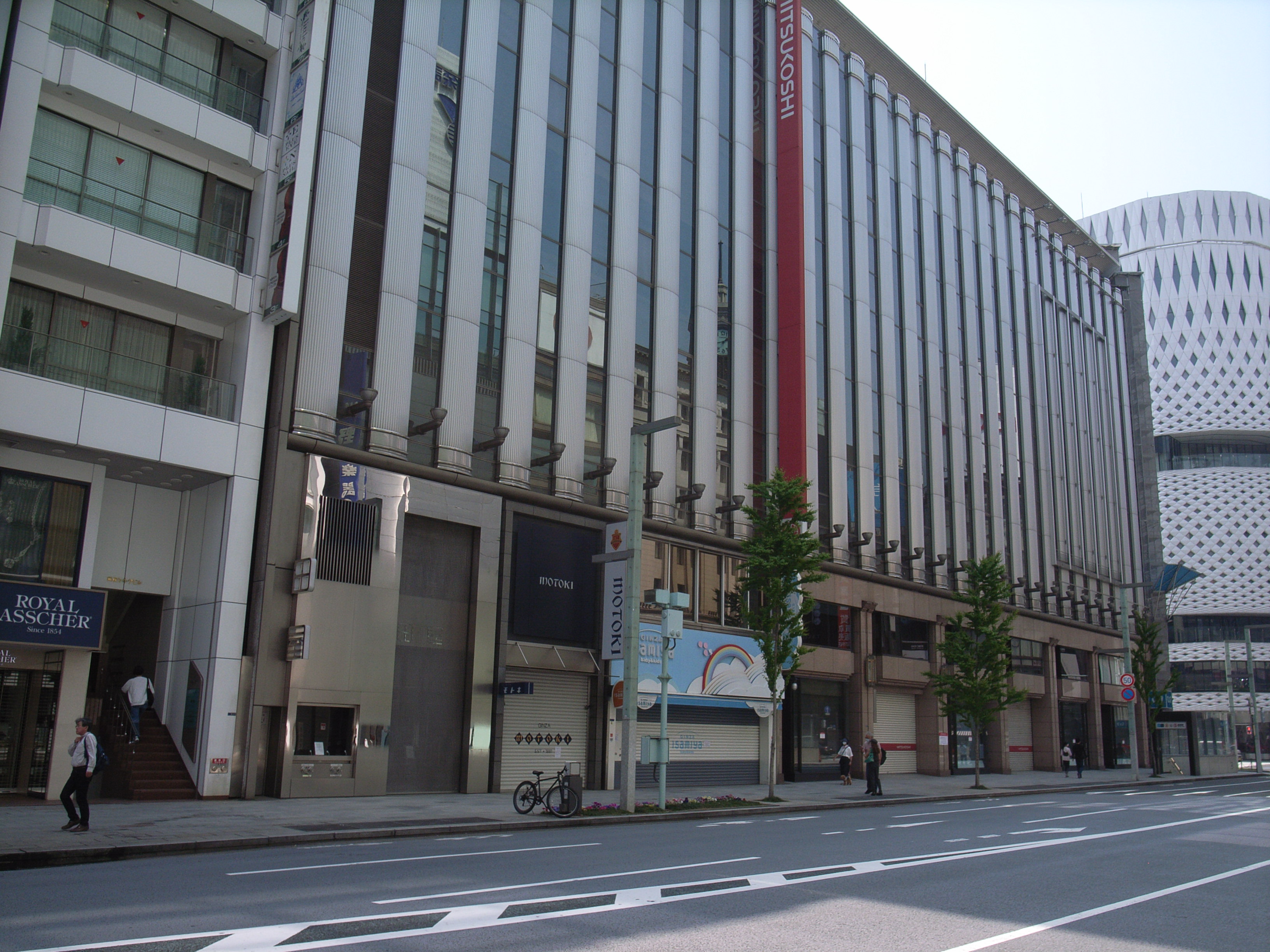
Tokyo's Ginza district held its annual one-day summer festival on Aug. 1 [2], featuring traditional yukata attire and public water sprinkling.
The event serves as a critical community response to extreme weather, providing relief to pedestrians and visitors during a period of intense heat. By integrating traditional customs with urban cooling efforts, the festival maintains cultural heritage while addressing modern environmental challenges.
Organized by the Ginza-dori Federation and local businesses, the event took place along the pedestrian-only zones of Chuo-dori, spanning from the first to the eighth block [1]. The festivities also extended to the rooftop of the Ginza Wako building [1]. This year marked the 20th anniversary of the annual celebration [1].
The timing of the festival coincided with a period of extreme temperature, coming after four consecutive days of intense heat [3]. To mitigate the warmth, participants engaged in "uchimizu" — the traditional practice of sprinkling water on the ground to cool the air [1].
Visitors dressed in yukata, light cotton kimonos, wandered the streets to enjoy various fair-style stalls, and traditional festival games [1]. The celebration culminated in Bon Odori dancing, a traditional summer folk dance that brought the community together in the heart of the shopping district [1].
Local organizers said the goal was to bring a sense of coolness and seasonal joy to the people walking through the district during the heatwave [3]. The combination of the pedestrian-only streets and the rooftop activities allowed for a large-scale gathering without disrupting the primary flow of the city's commercial center [1].
“This year marked the 20th anniversary of the annual celebration”
The persistence of the Ginza-dori festival for two decades reflects a broader trend in Japanese urban centers to blend commercial interests with traditional seasonal rituals. As heatwaves become more frequent and severe, the use of traditional methods like uchimizu alongside modern pedestrian zoning demonstrates how cities are leveraging cultural identity to implement low-tech cooling strategies in densely populated areas.


