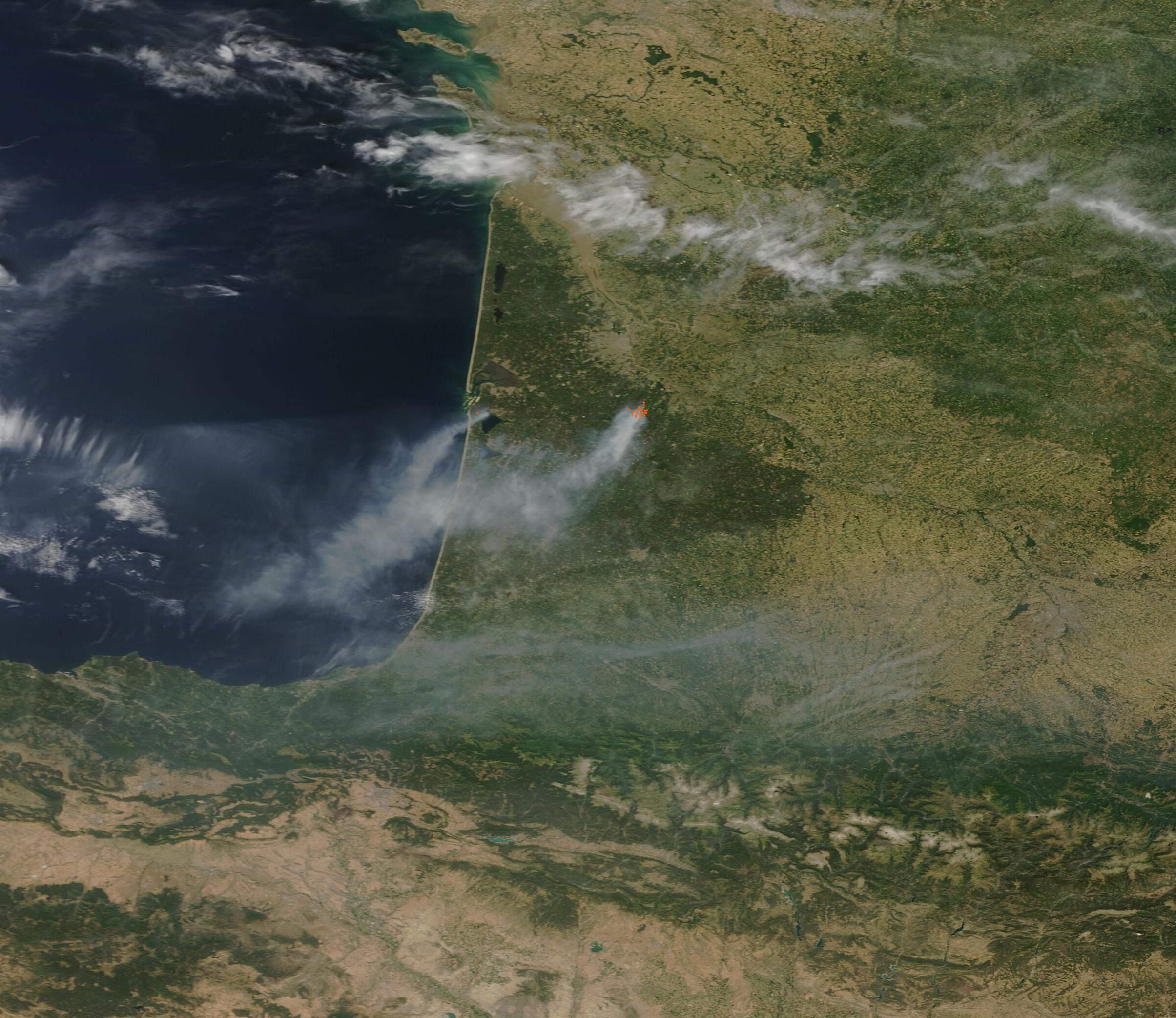
Volunteers and animal care centers have established a solidarity network to rescue and shelter animals threatened by wildfires in Gironde [1, 2].
The mobilization addresses a critical gap in emergency evacuations, where domestic pets and wild animals are often left behind or displaced as fires sweep through rural communes. By linking immediate shelter availability with displaced owners and wildlife rescuers, the network prevents further loss of life during the disaster.
On Monday, a digital platform called Alabri was launched to streamline the process. Developer Florian Illien said he developed the application in less than three hours to connect victims with people ready to host animals [2]. On its first day of operation, 45 animals were accommodated through the Alabri platform [2].
Beyond the digital tool, the Association FUTUR organized ground efforts. A spokesperson for the association said they created three WhatsApp groups to coordinate assistance for both domestic and wild animals [3]. These groups allowed volunteers to communicate in real time as evacuations took place on Friday [2, 4].
Wildlife centers have also stepped in to manage the surge of displaced fauna. The Centre de soins de la faune sauvage de Tonneins is currently providing support to the Centre d’Audenge, which had to be evacuated [1]. These collaborative efforts have resulted in more than 100 animals being rescued and transported to various care centers [1].
The response involves a mix of professional veterinary care and citizen-led logistics. Local farmers and residents have worked alongside firefighters to ensure that livestock and pets were moved to safety before the flames reached their properties [5].
““I developed this application in less than three hours to connect victims and people ready to host animals.””
The rapid deployment of the Alabri platform and the use of social media for coordination demonstrate a shift toward decentralized, tech-driven disaster response. By integrating professional wildlife centers with amateur volunteer networks, the region is creating a scalable model for animal welfare during climate-driven emergencies, reducing the burden on official state firefighting and emergency services.


