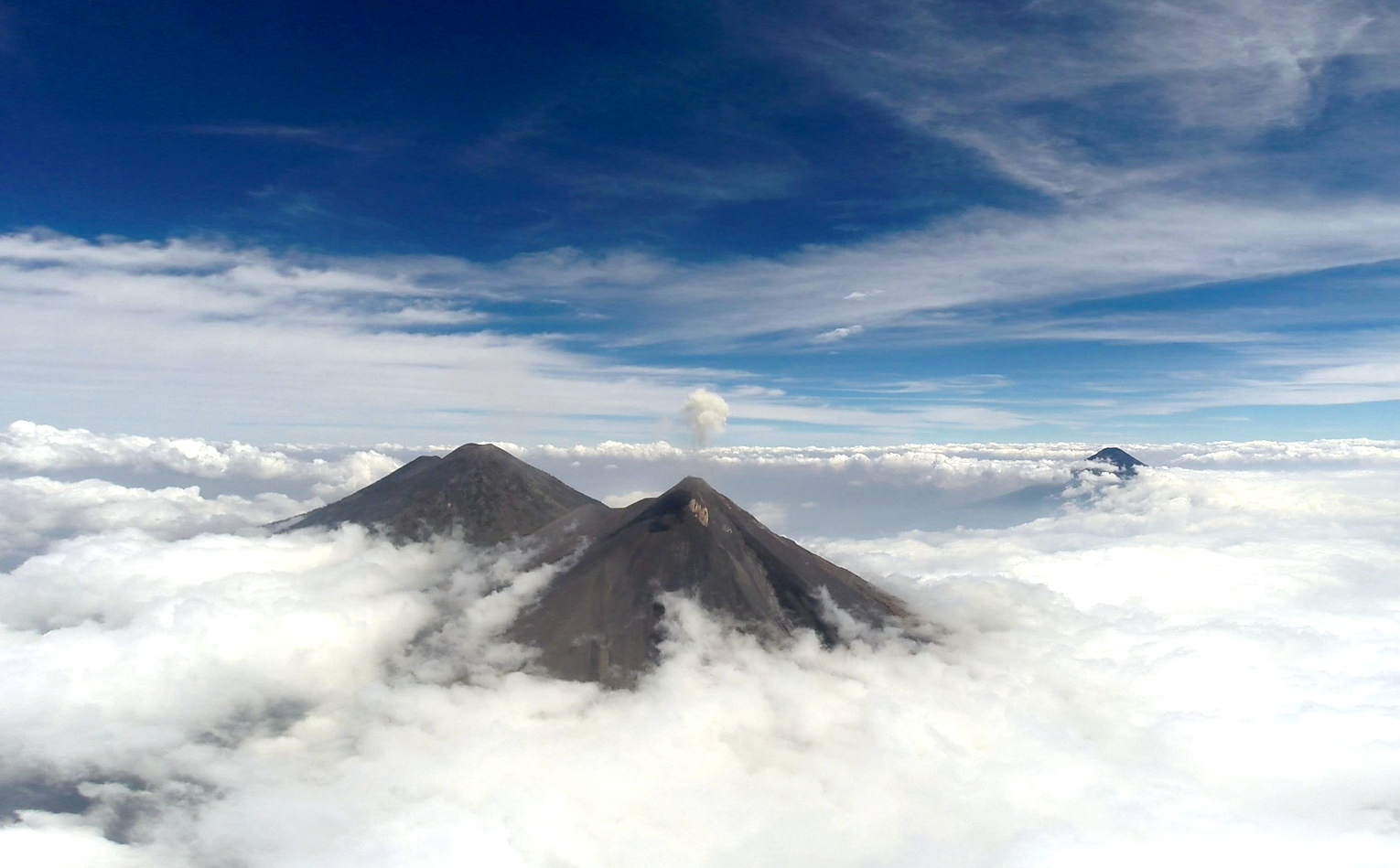
Guatemalan authorities evacuated hundreds of residents on Aug. 4, 2026, after Volcán de Fuego erupted and sent ash and mud into the sky.
The event marks a dangerous escalation in volcanic activity that threatens nearby rural communities. Because these villages are situated in high-risk zones, rapid evacuation is the only way to prevent mass casualties during an active eruptive phase.
The volcano entered a new eruptive phase that triggered a red alert from the national disaster management agency [1]. This alert prompted the immediate movement of residents from nearby villages, including San Miguel Los Lotes, to safer ground [1]. Reports said the eruption sent an ash plume nearly four miles, approximately 6.4 km, into the sky [3].
Displacement figures vary across reporting agencies. One report said that 659 people were evacuated from eight different villages [4]. However, other data suggests a larger scale of displacement, with 1,700 people sheltered in temporary facilities after fleeing the area [5].
Local officials oversaw the movement of families to shelters to avoid the path of lava and mudflows. These mudflows, often triggered by volcanic activity and rain, can destroy infrastructure and bury homes in minutes. The red alert remains in effect as the agency monitors the volcano for further intensification [1].
Residents in the affected regions have faced similar threats in previous years. The current activity requires constant surveillance of the crater and the surrounding slopes to ensure that the 1,700 people in shelters [5] are not returned to their homes prematurely.
“The eruption sent an ash plume nearly four miles into the sky.”
The activation of a red alert and the subsequent evacuation of up to 1,700 people underscores the persistent volatility of Volcán de Fuego. The disparity in evacuation numbers suggests a fluid situation where residents may have fled independently before official transport arrived. This event highlights the ongoing struggle for Guatemala to manage permanent resettlement for populations living in the shadow of one of the region's most active volcanoes.


