Iris Pessey set a new women's record for the fastest ascent of Mont Blanc, reaching the summit in five hours and two minutes [1].
The achievement marks a significant milestone in high-altitude endurance and speed climbing. By combining a rapid ascent with a technical descent, Pessey demonstrated a level of athletic versatility required for modern mountain sports.
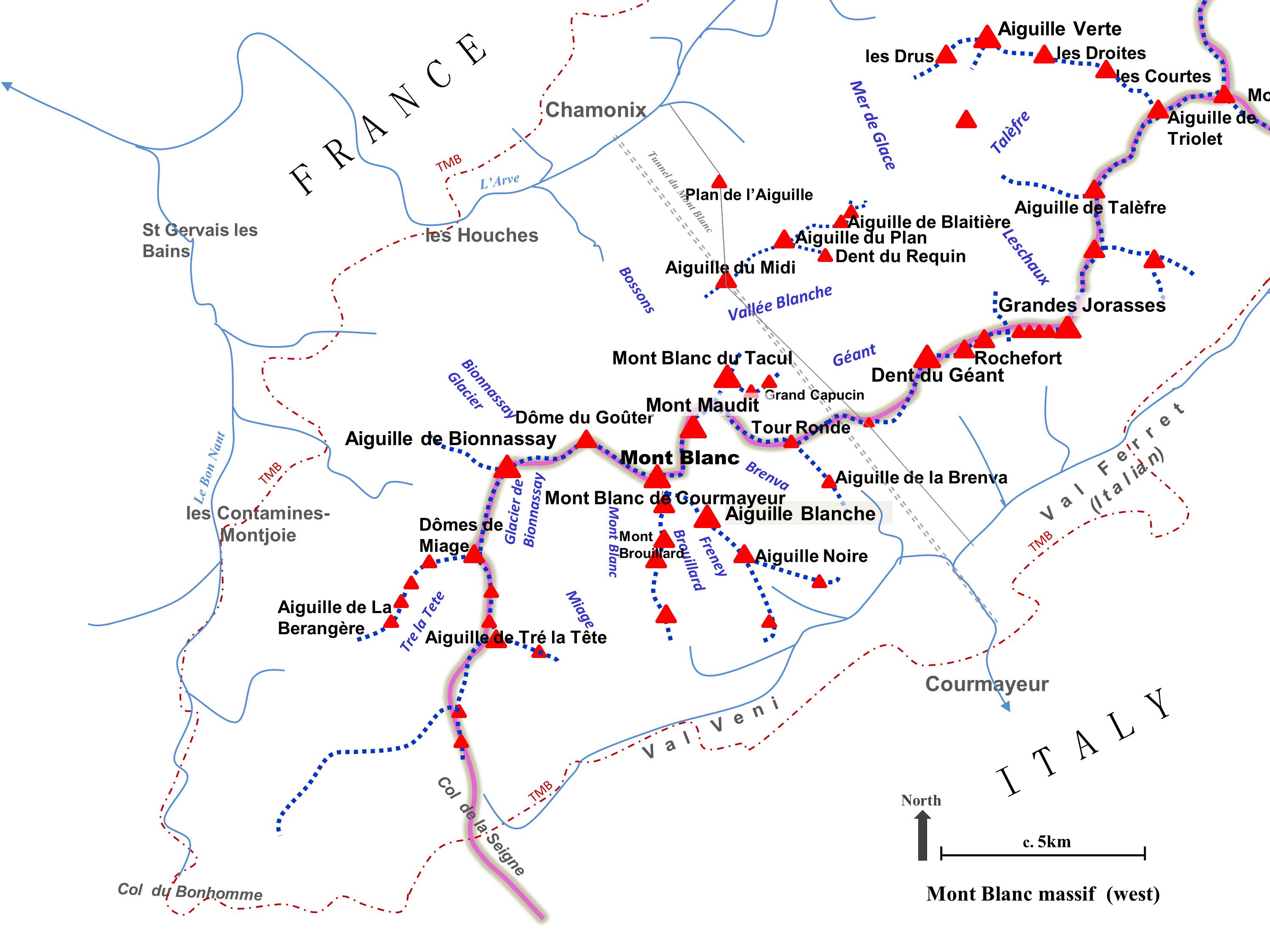
Starting her journey from Chamonix, France, at 3:30 a.m. [4], Pessey climbed to the peak of the mountain, which reaches an elevation of 4,806 meters [3]. The ascent required navigating challenging terrain under a strict time constraint to secure the record [1].
Upon reaching the summit, Pessey did not descend on foot. Instead, she completed a round-trip return to the valley via paraglider. This descent allowed her to finish the entire operation, from the initial start in Chamonix to the final landing, in a total time of five hours and 34 minutes [2].
The transition from a grueling climb to a flight requires precise gear management and timing. The small window between her summit arrival and her final landing highlights the efficiency of her descent strategy [2].
Mont Blanc remains one of the most challenging peaks in the Alps due to its unpredictable weather and steep gradients. Pessey's ability to maintain a record-breaking pace while preparing for a paragliding launch emphasizes the physical and mental preparation involved in such an attempt [1].
“Iris Pessey set a new women's record for the fastest ascent of Mont Blanc”
This record reflects a growing trend in 'fast and light' mountaineering, where athletes prioritize speed and specialized equipment to minimize exposure to objective hazards on the mountain. The integration of paragliding into the descent transforms a traditional climb into a multidisciplinary endurance event, pushing the boundaries of how athletes interact with high-alpine environments.


