Italy temporarily suspended the European Union's Schengen free-travel arrangement with Spain and closed its air and sea borders on Friday [1].
The move signals a breakdown in regional cooperation over border security and highlights the fragility of the EU's open-border policy during humanitarian crises.
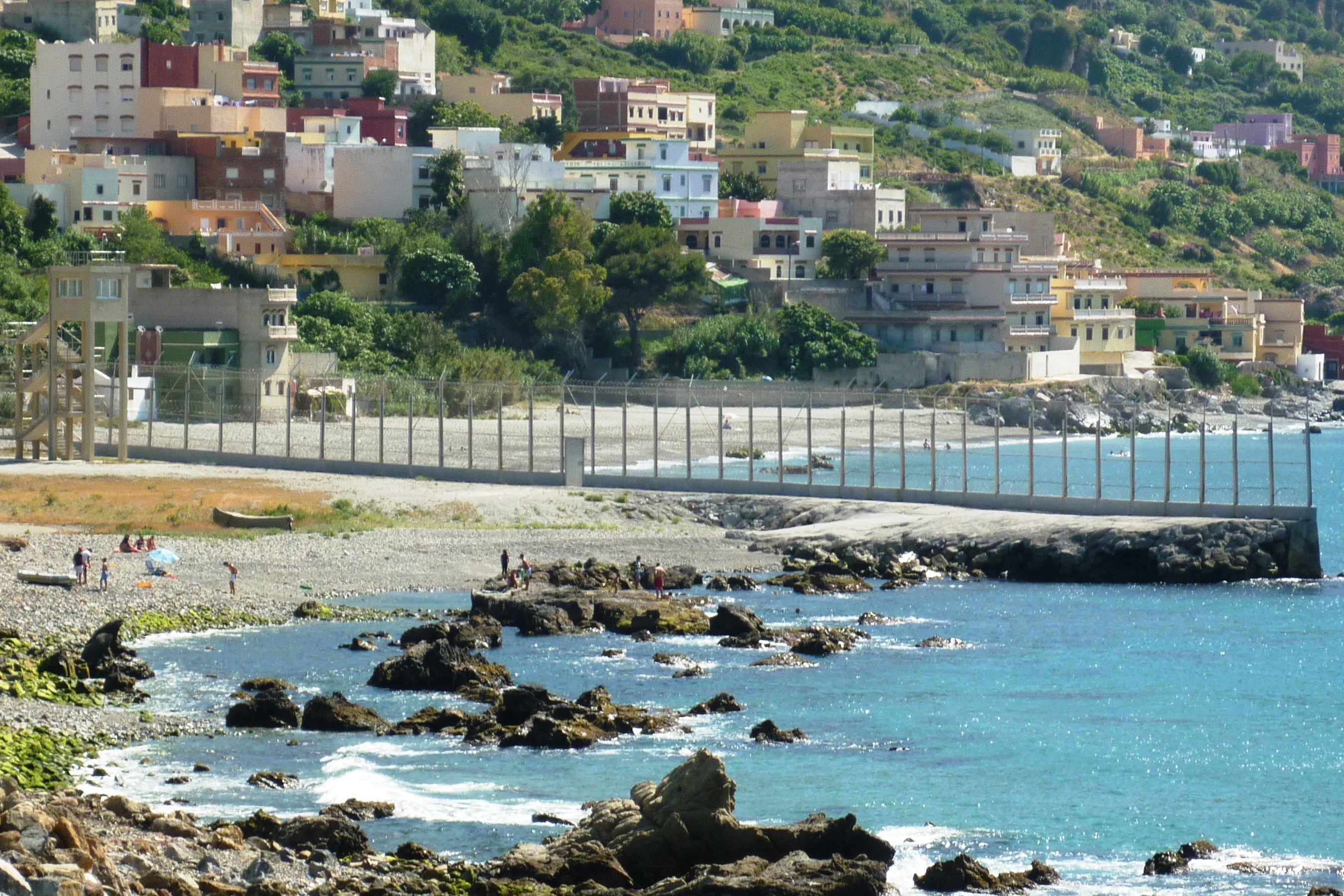
The Italian Interior Ministry enacted the suspension following a mass influx of migrants into Ceuta, a Spanish enclave located in North Africa [1]. According to reports, around 60,000 migrants entered the enclave in a single day [2], creating an immediate crisis for Spanish border controls.
The surge resulted in 57 deaths during the crossing [2]. In response to the chaos, Spanish authorities returned more than 48,000 migrants to Morocco [2].
Italy's decision to halt the Schengen pact, which typically allows for the movement of people across international borders without passport checks, includes the total closure of sea and air routes connecting the two nations [3]. The Italian government said the pressure on Spanish border controls and the resulting instability were the primary drivers for the temporary measure [1].
This action marks a significant departure from standard EU protocol, as the Schengen Agreement is designed to ensure the seamless flow of people across most of the continent. The closure of air and sea borders adds a layer of restriction beyond typical land-border checkpoints.
“Italy temporarily suspended the European Union's Schengen free-travel arrangement with Spain”
The suspension of the Schengen pact between two major EU members demonstrates how localized border crises in North Africa can trigger systemic security responses across Southern Europe. By closing air and sea borders, Italy is prioritizing national security and migration control over the EU's fundamental commitment to free movement, potentially setting a precedent for other member states to unilaterally suspend treaty obligations during migration surges.


