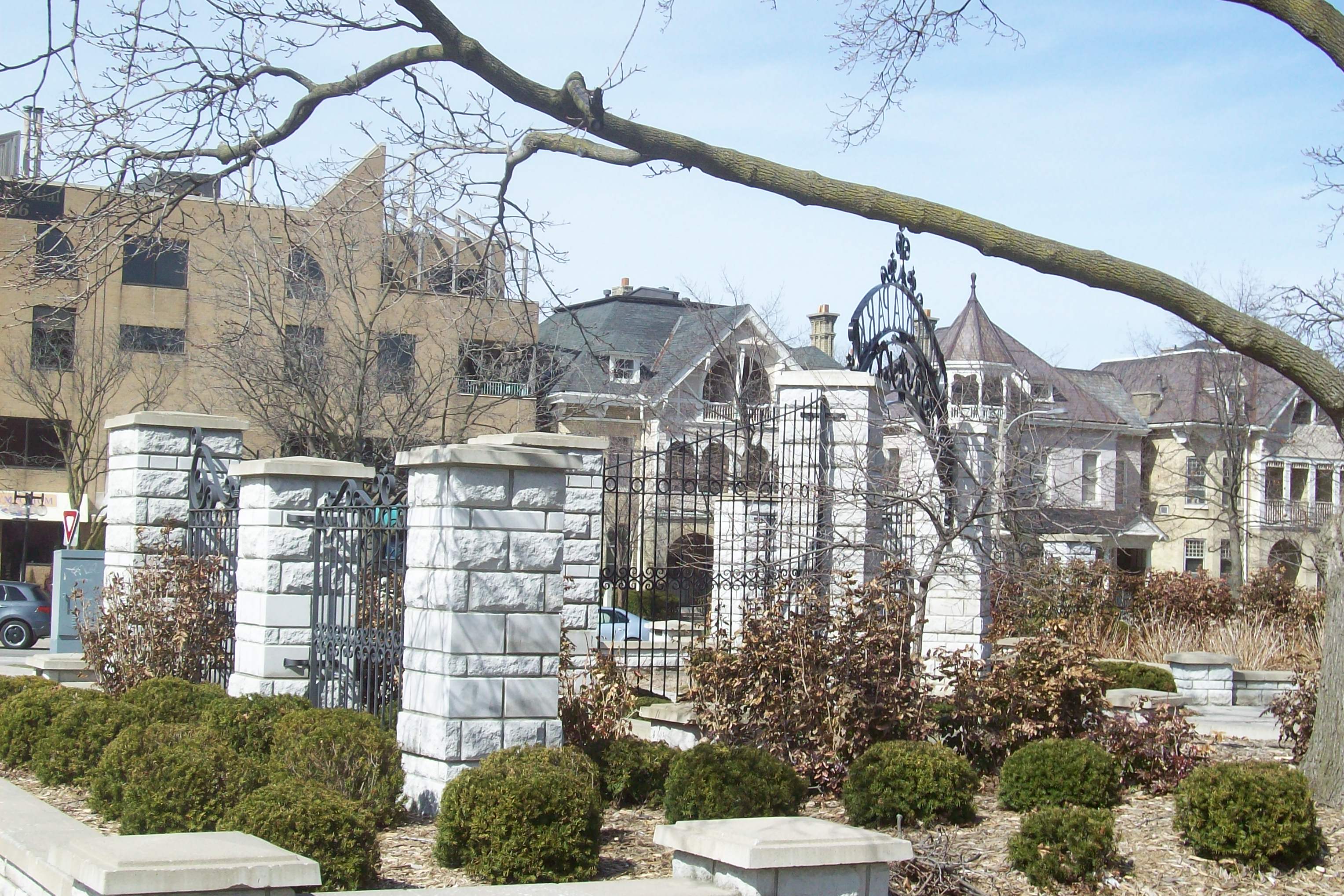
Community members gathered in Victoria Park on Friday to mark the 30th anniversary [1] of Indigenous Solidarity Day in London, Ontario.
The milestone event serves as a critical touchstone for regional reconciliation efforts. By bringing together diverse Indigenous groups and academics, the gathering highlights the ongoing struggle to preserve cultural identity while addressing historical grievances within the Canadian legal and social framework.
The celebrations included a wide array of participants, including First Nations, Inuit, and Métis community members [2]. Organizers and community leaders joined academics in the park to facilitate a space for both celebration and reflection. The event focused on the visibility of Indigenous culture and the progress made toward systemic change over the last three decades.
Victoria Park served as the central hub for the festivities, providing a public venue for the community to express its heritage [3]. The gathering emphasized the importance of solidarity among the different Indigenous nations and the role of allyship in achieving long-term reconciliation goals.
Attendees reflected on the evolution of the day since its inception. While the atmosphere was celebratory, the presence of academic and community leaders underscored the need for continued dialogue regarding the rights and sovereignty of Indigenous peoples in Ontario. The 30th anniversary [1] provided a metric for assessing how far the community has come in its pursuit of recognition and justice.
“London, Ontario marks the 30th anniversary of Indigenous Solidarity Day.”
The 30-year persistence of Indigenous Solidarity Day in London, Ontario, signals a transition from sporadic protest to an institutionalized annual reflection on reconciliation. The inclusion of academics alongside community leaders suggests that the movement is increasingly integrating scholarly analysis of colonial impacts with grassroots cultural preservation, creating a multi-layered approach to Indigenous rights in Canada.


