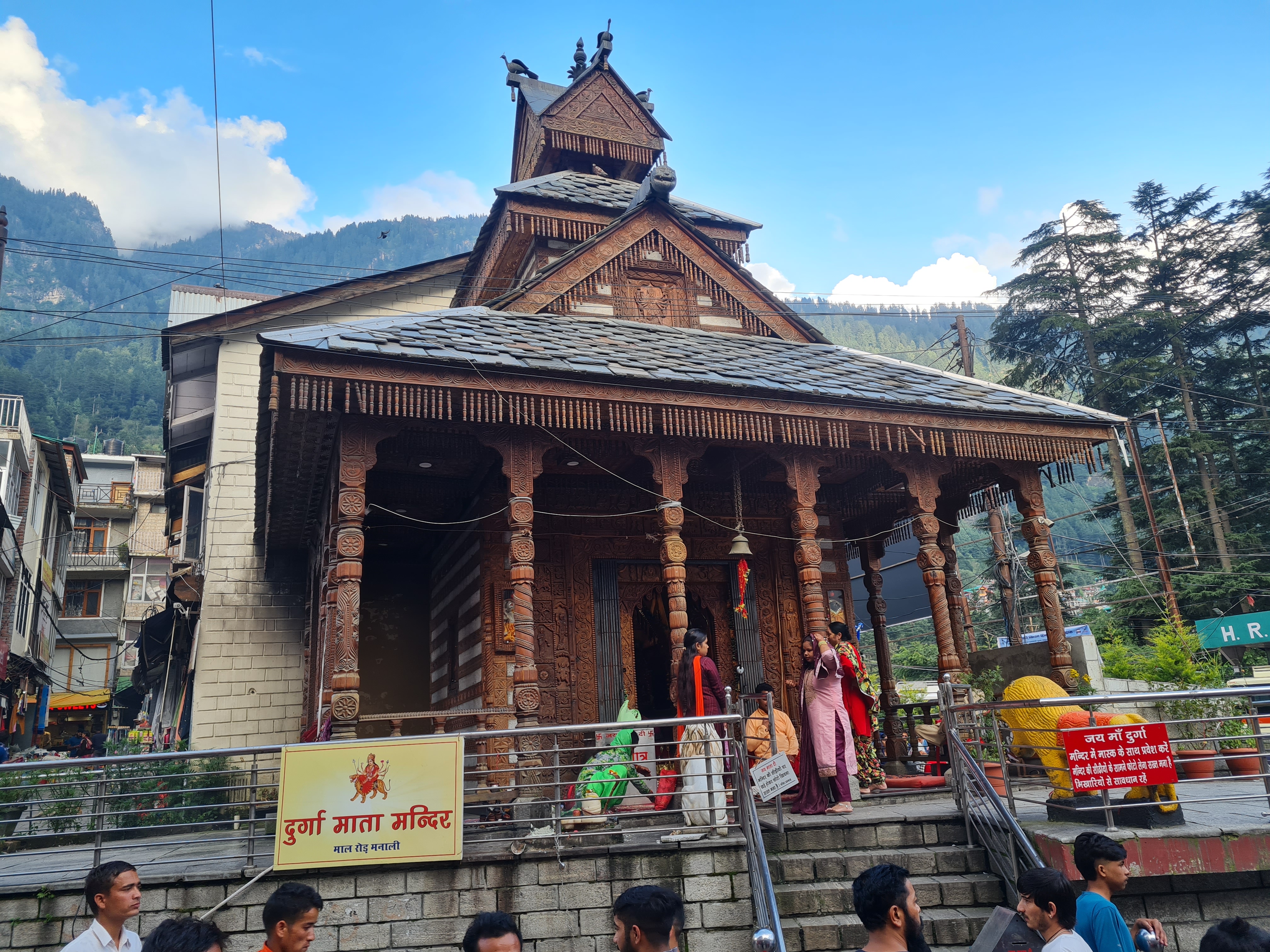
Manali is experiencing a severe waste-management crisis as a surge of tourists overwhelms the hill town's sanitation capacity [1].
The situation threatens the local environment and public health in Himachal Pradesh. Residents said that the accumulating garbage will obstruct drainage systems, potentially increasing the risk of flooding as the monsoon season approaches [1, 2].
Garbage has accumulated in significant piles across the town's most popular destinations. Specifically, Mall Road and Rohtang Pass have become hotspots for litter, according to reports published June 19, 2026 [1, 2]. The influx of visitors during the peak tourist season has outpaced the existing waste-collection infrastructure, leaving the local government unable to keep up with the volume of trash [1].
Local residents said they have growing concerns over the sanitation meltdown. The buildup of waste in a high-altitude ecosystem can lead to long-term soil and water contamination, problems that are difficult to reverse once established in mountainous terrain [2].
While the town remains a primary destination for travelers, the current lack of sustainable waste disposal threatens the very appeal of the region. The imbalance between tourist numbers and municipal capabilities has turned a seasonal economic boom into a logistical emergency [1, 2].
“Manali is experiencing a severe waste-management crisis as a surge of tourists overwhelms the hill town's sanitation capacity.”
This crisis highlights the tension between the economic benefits of mass tourism and the ecological limits of fragile mountain ecosystems. When infrastructure fails to scale with visitor numbers, the resulting environmental degradation can lead to secondary disasters, such as monsoon flooding caused by blocked waterways, potentially harming the long-term viability of the region as a tourist hub.


