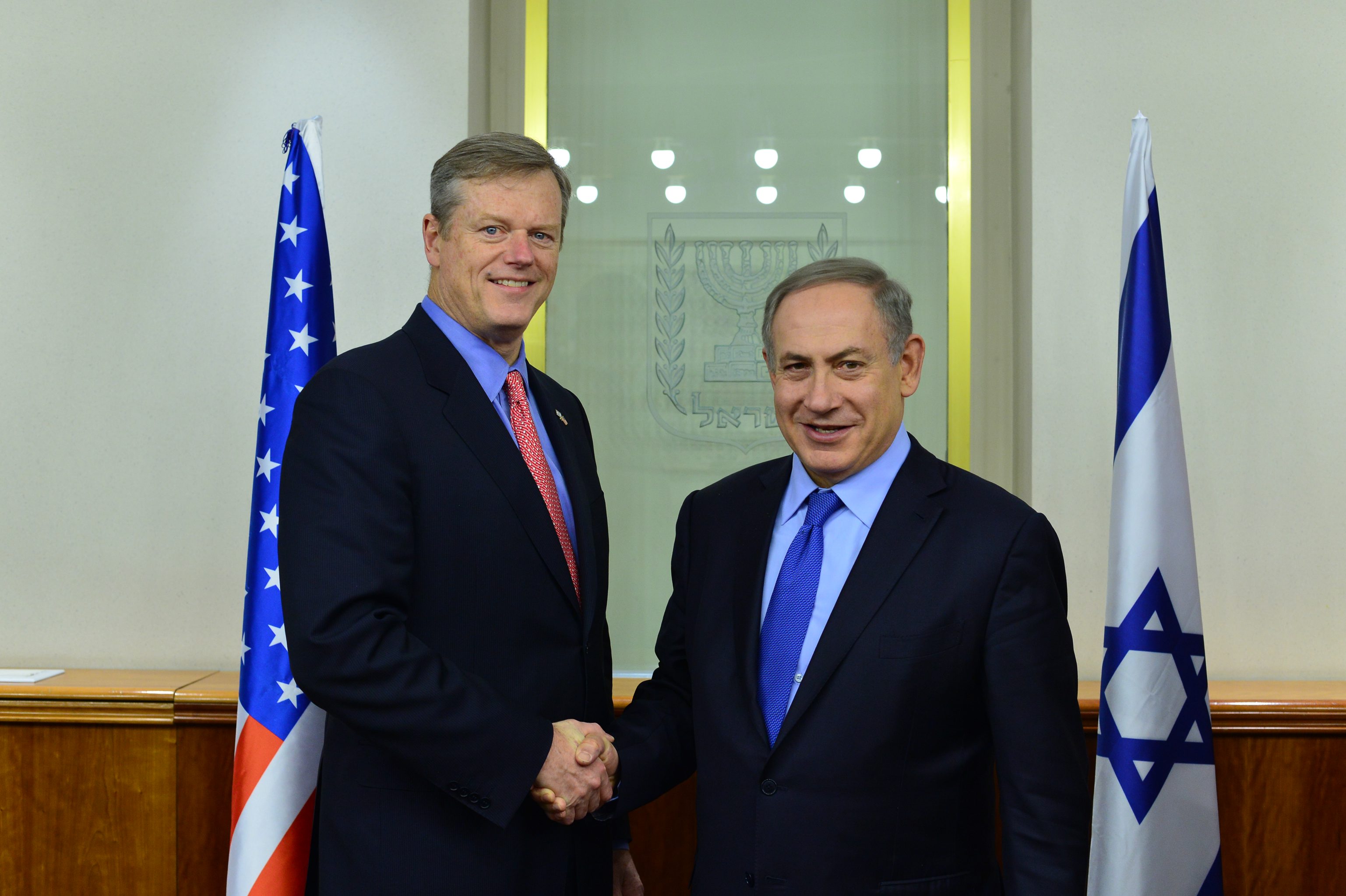
Israeli Prime Minister Benjamin Netanyahu said Israel's struggle against Iran's influence continues despite a recently announced U.S.–Iran agreement [1].
The statement signals a potential rift between Israeli security priorities and U.S. diplomatic efforts to stabilize the region. Netanyahu said the deal fails to address critical threats, including Iran's missile program and its regional proxies.
The U.S.–Iran agreement was announced March 1, 2020 [3]. While some reports indicate the initial deal is moving toward a formal signing, other reports suggest the agreement is in jeopardy due to Israel's refusal to withdraw forces from southern Lebanon [4, 5].
Netanyahu said that Israel will not withdraw its forces from southern Lebanon until Iran's threat is eliminated [2]. Currently, the Israeli Defense Forces maintain a presence of approximately 5,000 troops in that region [4].
"Israel's struggle is not over, even if the United States reaches a deal with Iran," Netanyahu said [1]. He said that if Iran strikes, Israel will hit it with full force [2].
Details regarding the specific contents of the agreement remain a point of contention. Some sources report that the deal's details are unclear, while others state that it outlines specific limits on Iran's regional activities, and missile program [1, 6]. Netanyahu said that the agreement does not sufficiently cover Iran's influence in Lebanon, necessitating continued Israeli vigilance [6, 4].
“"Israel's struggle is not over, even if the United States reaches a deal with Iran."”
The tension between Netanyahu's security requirements and the U.S. diplomatic framework highlights a strategic divergence. By maintaining 5,000 troops in southern Lebanon, Israel is prioritizing a physical deterrent against Iranian proxies over the diplomatic concessions sought by the U.S., suggesting that any regional peace deal may be fragile if it does not include specific guarantees regarding Iranian missile capabilities and Lebanese border security.


