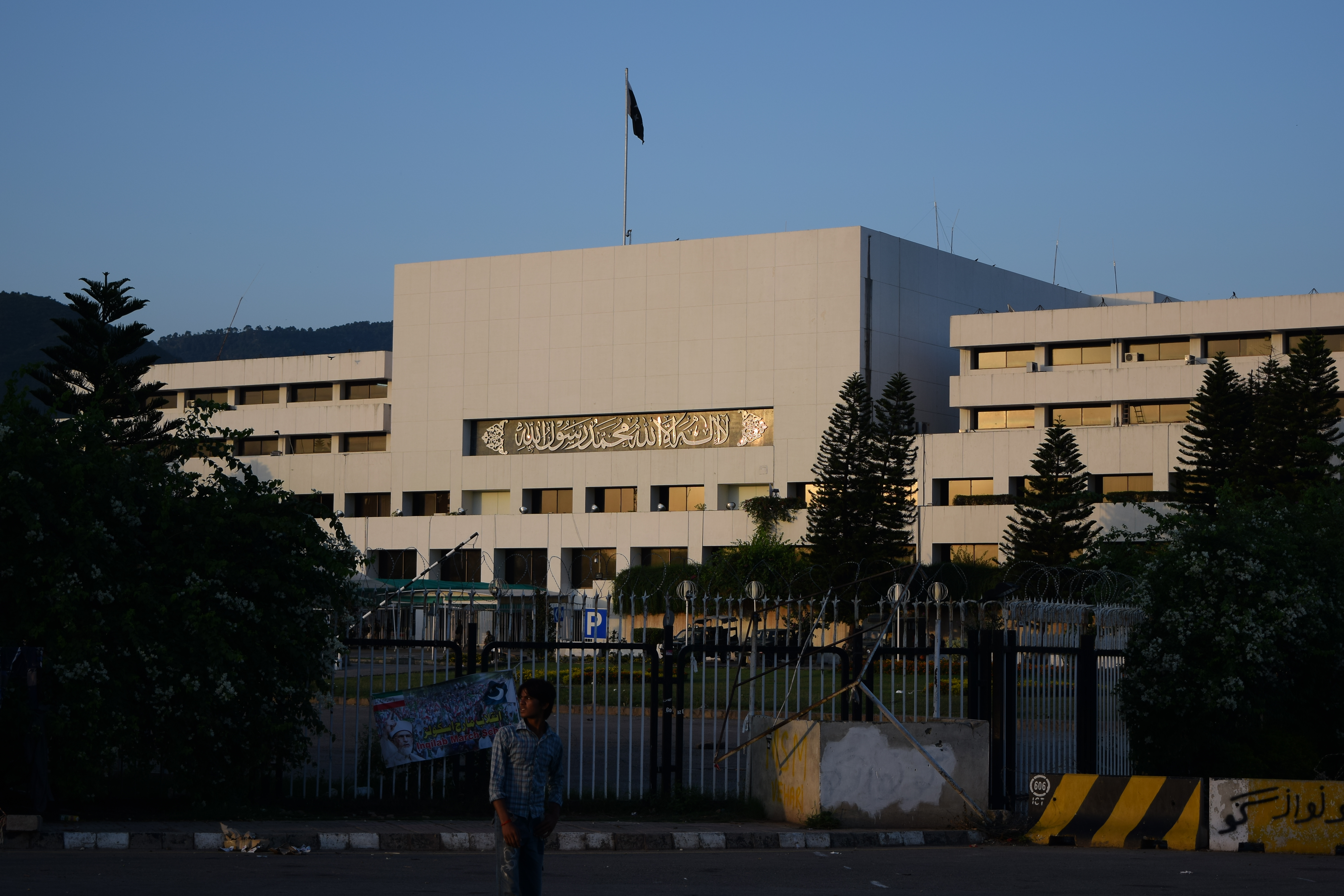
Finance Minister Muhammad Aurangzeb presented Pakistan's federal budget for the 2026-27 fiscal year in the National Assembly in Islamabad today.
The proposal seeks to stabilize the national economy by balancing aggressive growth targets with tax reforms designed to alleviate the financial pressure on working citizens.
Aurangzeb outlined a fiscal, tax, and reform agenda that projects an economic growth target of four percent [1]. This growth strategy is paired with a plan to make the budget more people-friendly by specifically reducing the tax burden on the salaried class [2].
To support these objectives, the government has set the total federal expenditure for the 2026-27 fiscal year at Rs18,771 billion [1]. The spending plan focuses on implementing broad reforms to stimulate the economy while maintaining fiscal discipline, a move intended to attract investment and stabilize the currency.
The presentation in the National Assembly marks the start of a legislative debate over the allocation of these funds. Aurangzeb said the budget is designed to boost economic growth through a combination of strategic spending and targeted tax relief [2].
By focusing on the salaried class, the administration aims to increase domestic consumption and provide a buffer against inflation. The reform agenda also includes measures to broaden the tax base, and improve the efficiency of revenue collection across the country.
“The new fiscal agenda targets 4% economic growth.”
The 2026-27 budget reflects a strategic pivot toward 'people-friendly' fiscal policy by prioritizing tax relief for salaried employees to stimulate internal demand. However, the 4% growth target remains ambitious, requiring the government to successfully execute its reform agenda while managing a massive Rs18.771 trillion expenditure without triggering further inflationary pressure.


