Sheikh Tamim bin Hamad Al Thani said the commercial partnership between Qatar and the U.S. will exceed one trillion dollars [1].
The announcement underscores the deepening economic ties between the two nations and Qatar's role as a diplomatic mediator in Middle Eastern affairs.
Speaking Tuesday during the G7 summit held in the United States, the Amir detailed the scale of the bilateral economic relationship. He said that the trade and commercial cooperation between the two countries is projected to top $1 trillion [1]. This financial milestone reflects a strategic alignment in energy, investment, and infrastructure projects.
Beyond economic figures, the Amir addressed the geopolitical landscape of the region. He said the agreement between Tehran and Washington is very important for regional stability. However, he said that the deal still requires further work to be fully realized.
Qatar has frequently acted as a bridge between Iran and the U.S. to facilitate communication and negotiate sanctions-related issues. By stressing the need for continued diplomatic effort, the Amir indicated that the current agreement is a foundation rather than a finished product.
He said that the success of the Tehran-Washington deal is essential for long-term security in the Persian Gulf. The Amir said that diplomatic engagement remains the primary tool for resolving the outstanding frictions between the two powers.
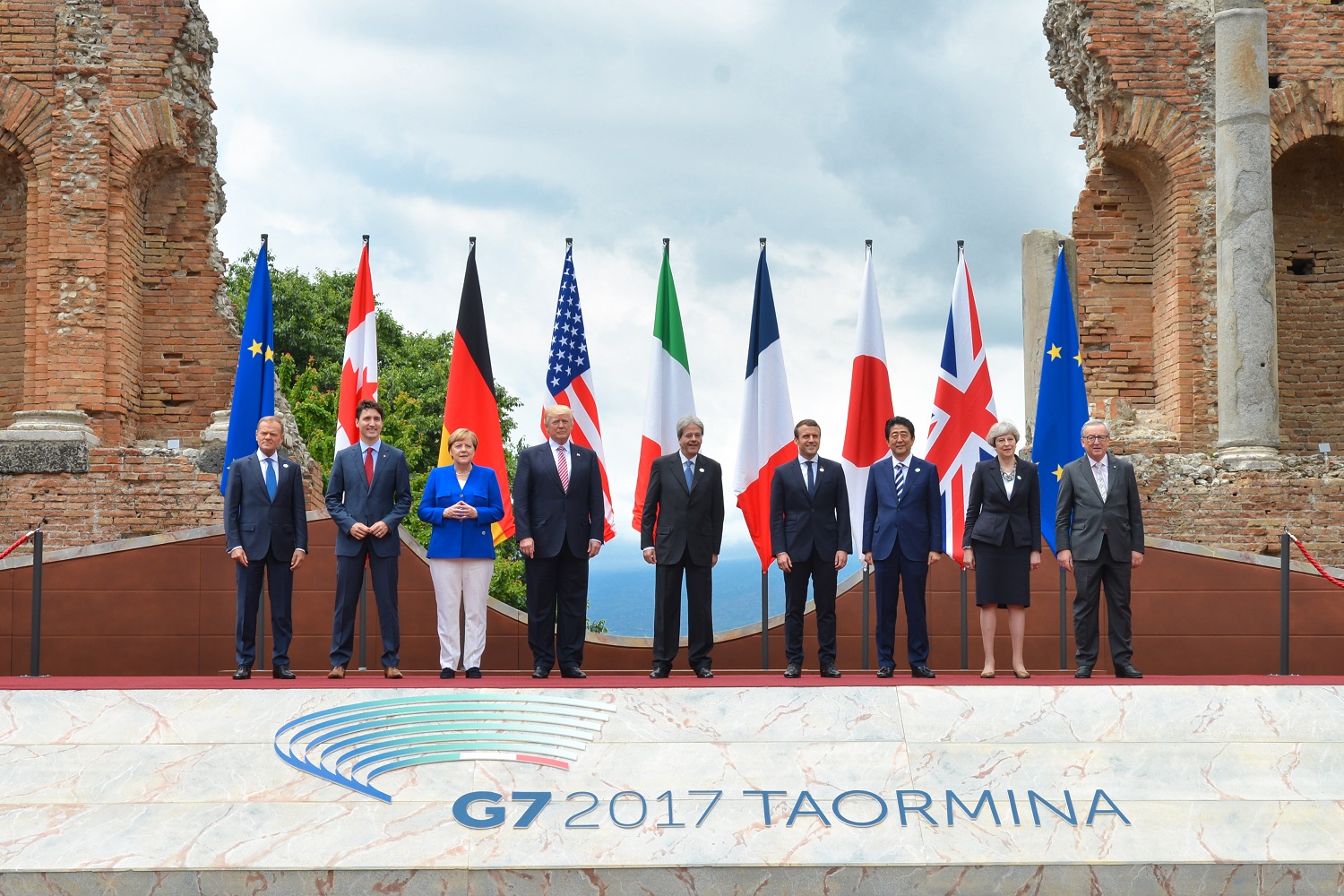
The G7 summit provided a venue for the Amir to align these regional goals with the interests of the world's leading industrialized economies. The focus on both massive trade growth and delicate diplomatic balancing acts illustrates Qatar's dual strategy of economic expansion and political mediation.
“the commercial partnership between Qatar and the U.S. will exceed one trillion dollars”
The projected $1 trillion trade volume signals a shift in Qatar's economic strategy toward deeper integration with the U.S. market. Simultaneously, the Amir's comments on the Tehran-Washington agreement suggest that while a framework for peace exists, significant diplomatic hurdles remain. Qatar is positioning itself as an indispensable intermediary, leveraging its economic weight to maintain influence over regional security outcomes.