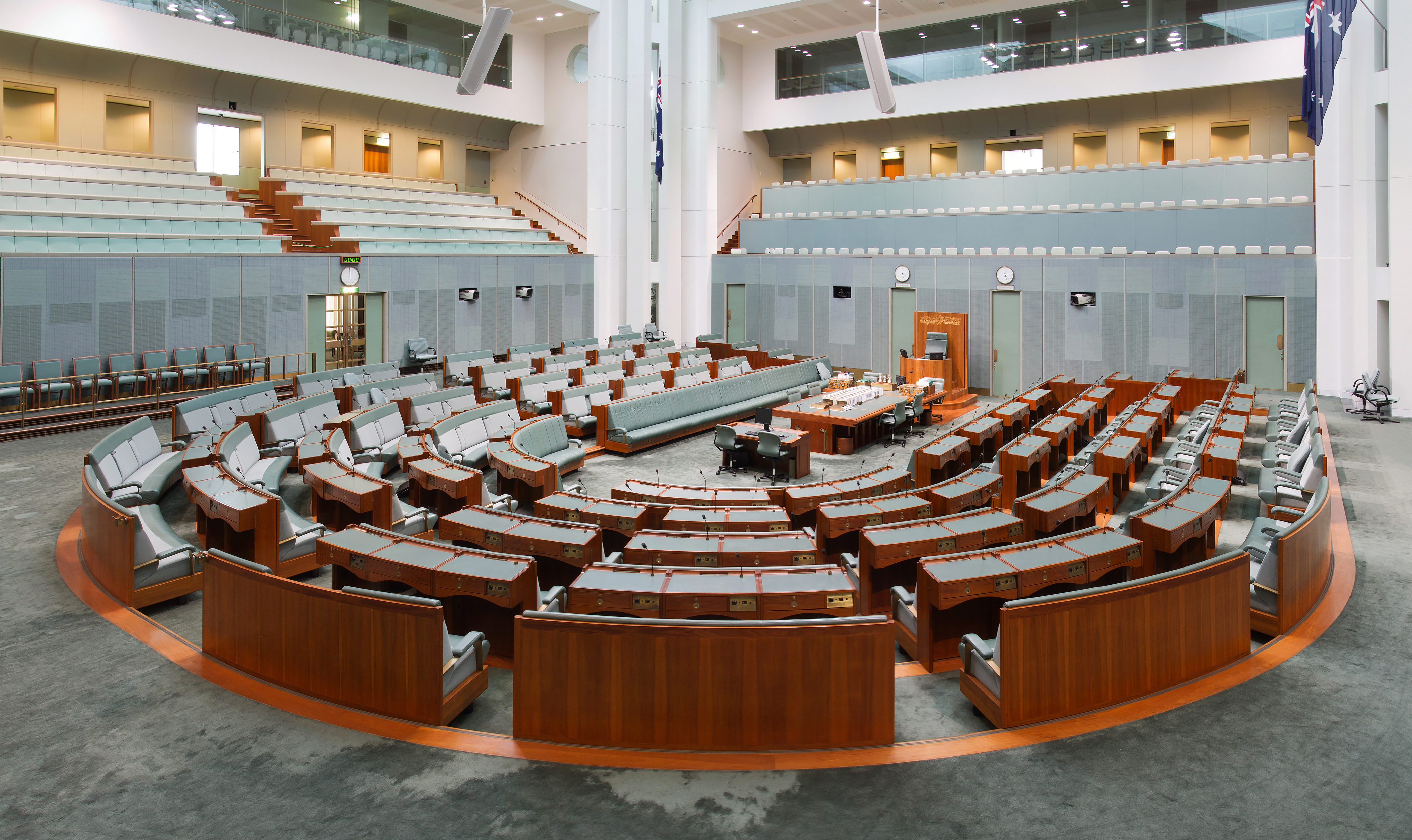
Six of the nine Lok Sabha MPs from Shiv Sena (UBT) skipped a crucial parliamentary party meeting in Delhi on Thursday [1], [2].
The defiance of a three-line whip signals a potential collapse of the party's current structure and a shift in the regional political balance. If these lawmakers successfully merge with the ruling National Democratic Alliance (NDA), it could fundamentally alter the party's influence in the legislature.
Party leader Sanjay Raut and other senior leaders convened the meeting to discuss strategy, but the absence of six members [1] triggered immediate concerns of a party split. The party leadership said the decision to skip the gathering was a direct breach of party discipline [1], [2].
In response to the boycott, Shiv Sena (UBT) has initiated disqualification proceedings against the absent members [1], [2]. The lawmakers are believed to be attempting to navigate the constraints of the anti-defection law to facilitate a move toward the NDA [1], [2].
Under current regulations, lawmakers can avoid the penalties of the anti-defection law if two-thirds of the party's MPs agree to a merger [3]. With six of the nine members absent, the rebel group meets this threshold, potentially allowing them to switch affiliations without facing the loss of their seats in the Lok Sabha [2], [3].
The tension within the party comes at a time of heightened political volatility in the region. The leadership has not yet announced a final decision on the disqualification process, but the scale of the boycott suggests a deep internal divide that may be irreconcilable.
“Six of the nine Lok Sabha MPs from Shiv Sena (UBT) skipped a crucial parliamentary party meeting”
The potential exit of two-thirds of the party's Lok Sabha representation would effectively neutralize Shiv Sena (UBT) as a significant parliamentary force. By meeting the legal threshold to avoid the anti-defection law, these MPs are positioned to transition into the ruling coalition, further consolidating the NDA's power while leaving the UBT leadership with a depleted legislative presence.