Spanish Prime Minister Pedro Sánchez said the sudden influx of migrants into the enclave of Ceuta is a violation of Spain's territorial integrity.
The event marks a severe escalation in border tensions between Spain and Morocco. The scale of the breach threatens to destabilize regional security and complicates diplomatic relations over the North African exclave.
Sánchez described the mass crossing as an attack on the territory. "This is a violation of Spain's territorial sovereignty," Sánchez said.
Reports on the scale of the surge vary. Some sources estimate that 50,000 [2] migrants poured into the exclave in a single day, while other reports state that some 60,000 [1] migrants entered from Morocco within 24 hours.
The humanitarian toll of the breach has risen. Reports on the casualties range from at least 34 [1] deaths to at least 41 [3] deaths following the border breach.
Sánchez said the surge represents a breach of territorial integrity and demands a response to protect national sovereignty. The prime minister's comments suggest that the Spanish government views the movement of people not merely as a migration crisis, but as a direct challenge to the state's control over its borders.
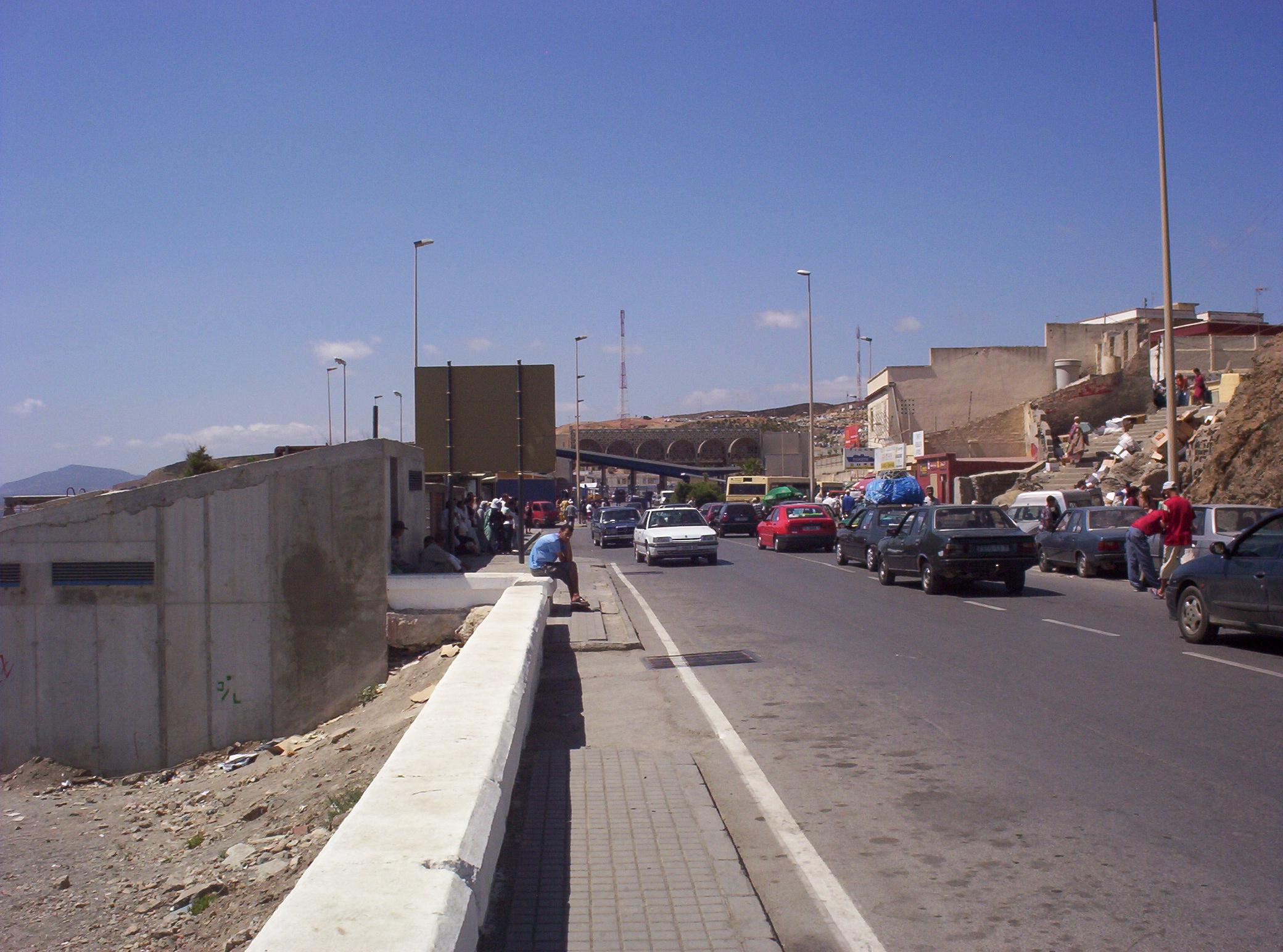
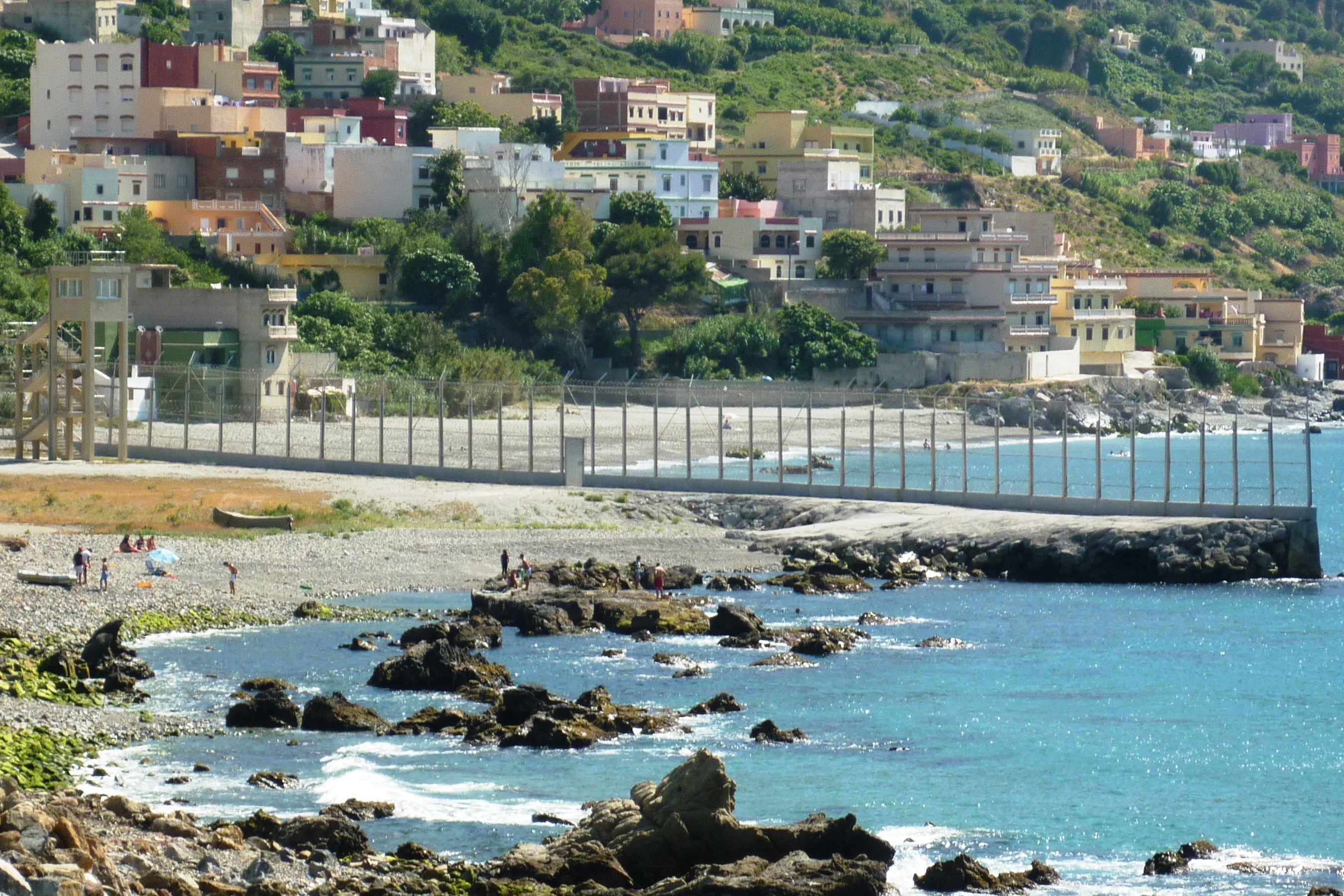
Ceuta is a Spanish exclave located on the North African coast bordering Morocco. The territory has long been a flashpoint for migration and geopolitical disputes between the two nations.
“"This is a violation of Spain's territorial sovereignty."”
By framing a migration surge as a 'violation of territorial integrity' and an 'attack,' the Spanish government is shifting the narrative from a humanitarian or administrative failure to a national security threat. This rhetoric may be used to justify more aggressive border enforcement or to pressure Morocco into stricter migration controls to avoid a wider diplomatic rupture.