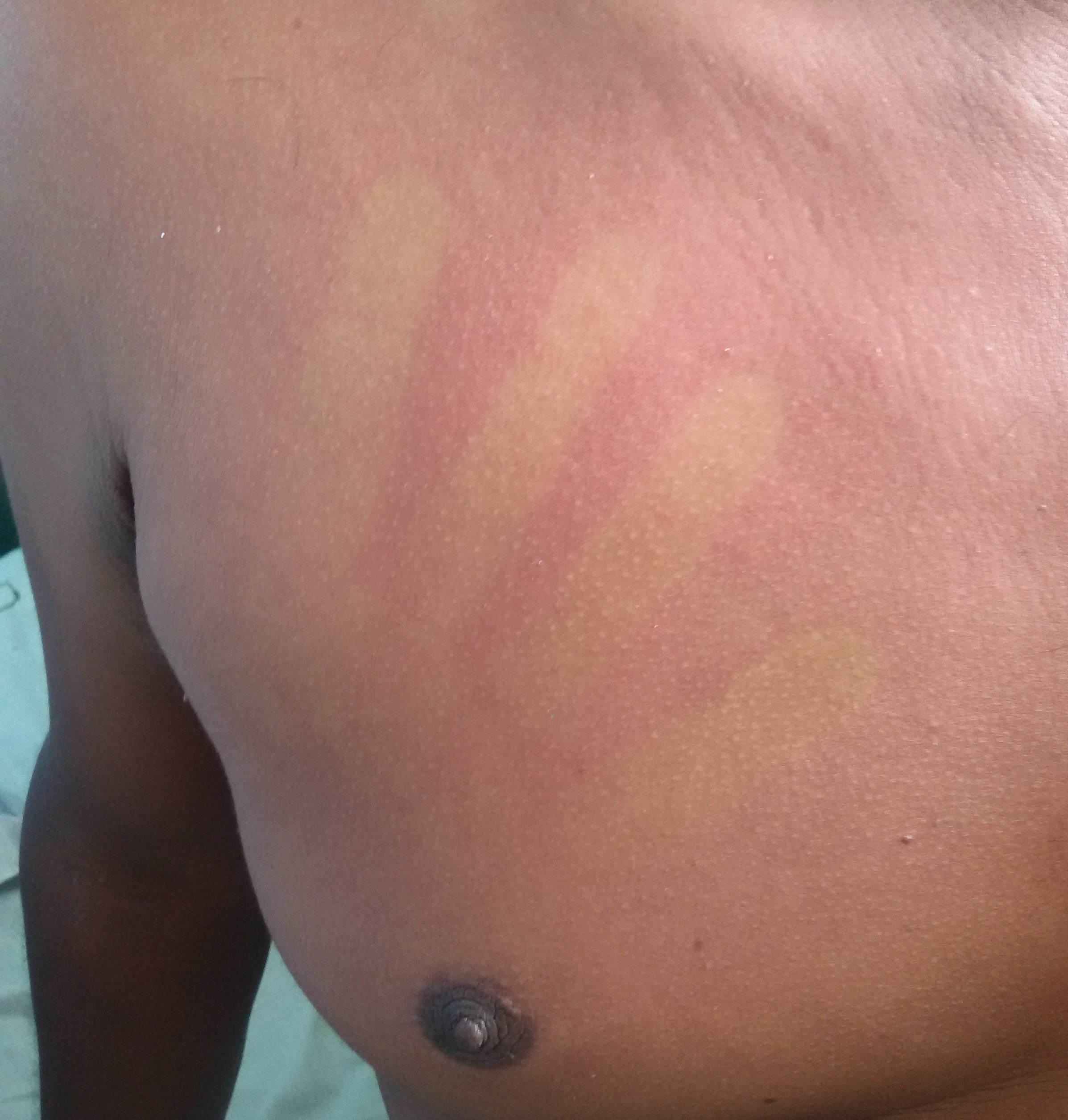
Sri Lanka is battling its worst dengue fever outbreak in years with more than 44,000 reported cases since January [1].
The surge in mosquito-borne infections has overwhelmed public hospitals across the country. This crisis threatens to destabilize an already strained healthcare infrastructure, limiting the availability of beds and resources for other critical medical needs.
Health officials said that the virus has spread rapidly throughout the South Asian nation. Since the start of 2026, the outbreak has resulted in 28 deaths [1]. The rapid increase in patients has forced medical facilities to manage a high volume of acute cases simultaneously.
Government officials said that the current scale of the outbreak is significantly higher than in previous years. The rise in infections is attributed to the proliferation of the dengue virus, which is transmitted to humans through the bites of infected mosquitoes.
Public health responses typically involve efforts to eliminate mosquito breeding sites, and implement widespread awareness campaigns. However, the current volume of patients continues to put pressure on the health system as the number of infections climbs [1].
Medical teams are working to manage the surge in admissions. The situation remains critical as officials strive to contain the spread and reduce the mortality rate associated with the fever.
“Sri Lanka is battling its worst dengue fever outbreak in years.”
The scale of this outbreak indicates a significant failure in preventative vector control or a shift in environmental conditions that has accelerated mosquito breeding. Because dengue fever can lead to severe hemorrhagic complications, the high case count creates a secondary risk of systemic healthcare collapse if hospital capacity is exceeded.


