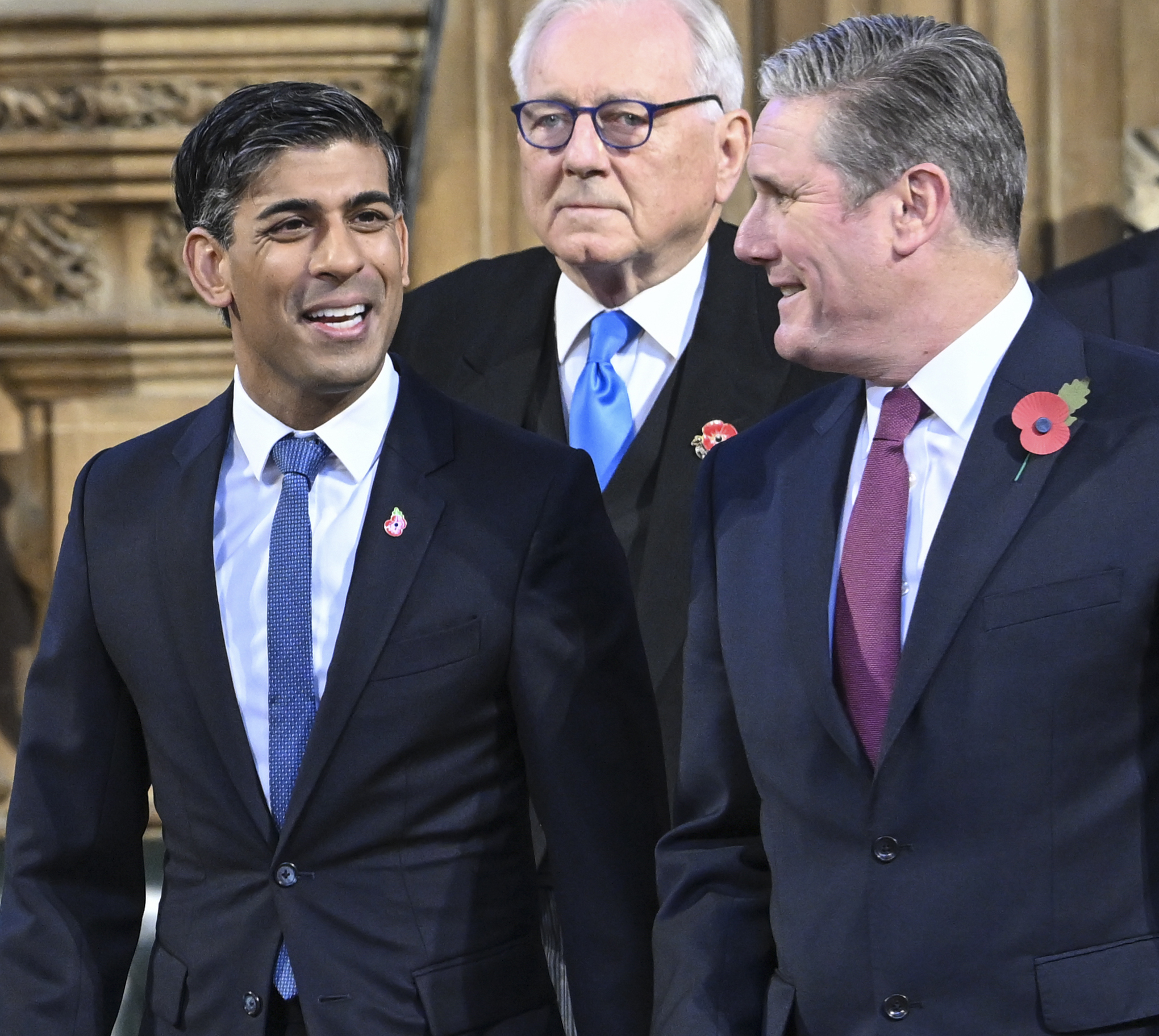
Prime Minister Keir Starmer said Friday he will stand in any Labour leadership contest and fight any challenge to his position [1, 2, 3].
The statement follows a special election in northwest England that has emboldened political rivals within the Labour Party. The victory of a high-profile figure creates a potential path for a formal challenge to Starmer's authority as party leader.
Andy Burnham, the mayor of Greater Manchester, won the parliamentary seat in Makerfield [2, 4]. According to election data, Burnham received 15,696 votes, which represents about 34% of the ballots cast [5]. The win provides Burnham with the necessary legislative standing to potentially seek the party leadership.
Starmer addressed the situation in London following the results of the Makerfield by-election [2]. He said that he does not intend to step aside despite the shift in internal party dynamics.
"I will stand in any leadership contest," Starmer said [1].
The Prime Minister also emphasized his resolve to maintain his current role. "I will fight any challenge to my leadership," Starmer said [2].
Observers said that Burnham's win was a decisive victory in the Makerfield contest [2]. The result has shifted the internal focus of the party toward a possible power struggle between the Prime Minister and the Greater Manchester mayor.
“I will stand in any leadership contest.”
The victory of Andy Burnham in Makerfield transforms a regional political strength into a national parliamentary platform. By securing a seat in the House of Commons, Burnham removes a primary structural barrier to challenging the party leadership, forcing Starmer to pivot from governing the country to securing his own internal flank.


