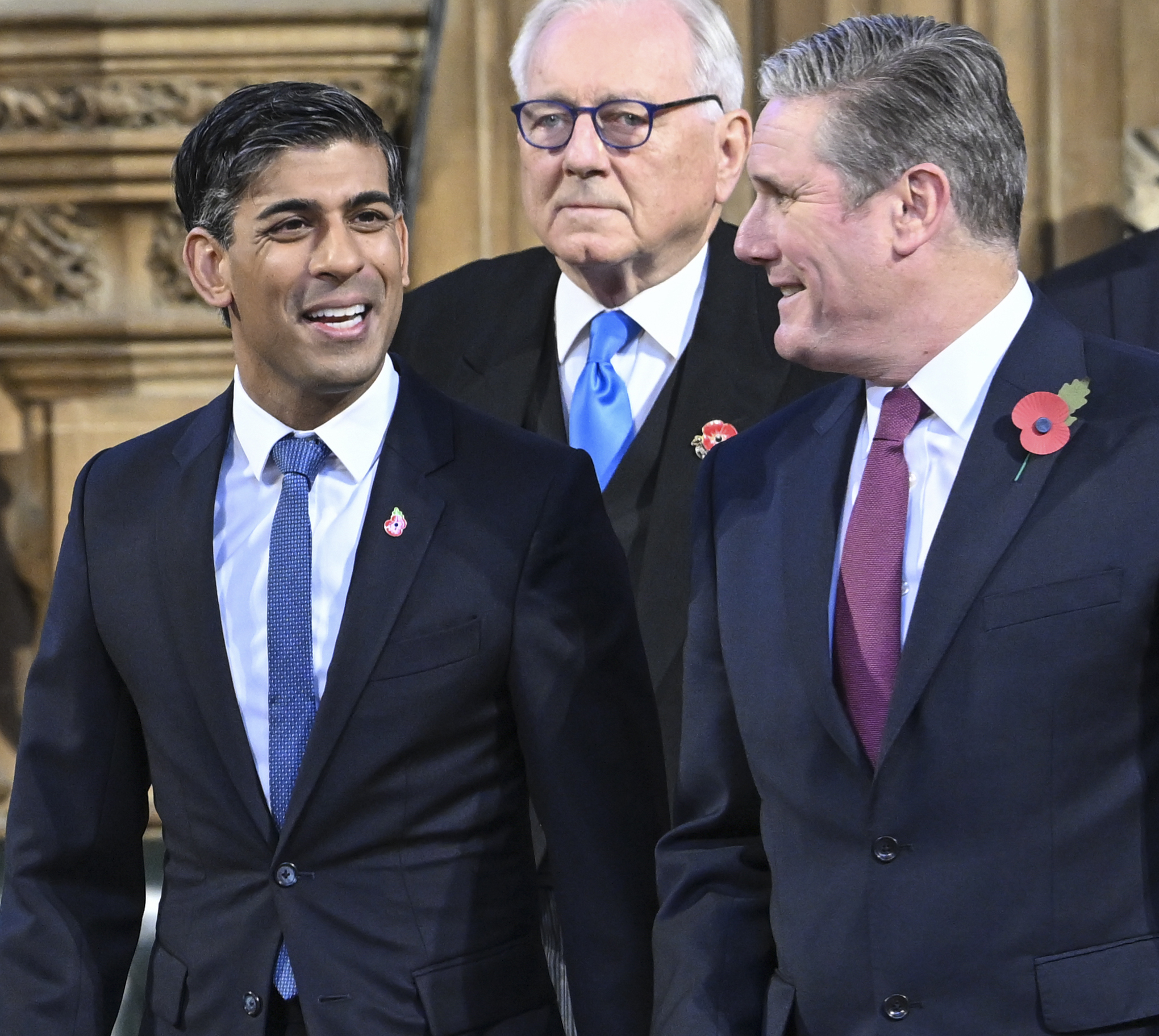
Prime Minister Keir Starmer is reflecting on political realities as pressure mounts for him to resign following a Labour by-election victory [1].
The internal turmoil threatens the stability of the UK government. The victory of Andy Burnham in the Makerfield constituency has shifted the power dynamic within the Labour Party, turning a local election into a leadership crisis.
Burnham won the Makerfield by-election on Friday, June 21, 2026 [2]. He is scheduled to be sworn in as a Member of Parliament on Monday, June 24, 2026 [3]. The win has emboldened critics of the current leadership, with more than 100 Labour MPs now calling for Starmer to step down [4].
Reports indicate that Starmer is expected to announce his departure as prime minister on Monday [5]. While some sources suggest a potential announcement on June 24, others indicate that Burnham's camp might accept a transition timetable that keeps Starmer in office until September [6].
Burnham's camp is currently pressing the prime minister to outline his future plans. The sudden surge in dissent from within his own party has left Starmer's position precarious—a situation that intensified following the Friday results [7].
Cabinet minister Peter Kyle and other senior officials are monitoring the situation as the party weighs the risk of a leadership challenge. The scale of the MP rebellion suggests a significant loss of confidence in Starmer's ability to lead the party forward after the Makerfield result [4].
“More than 100 Labour MPs are calling for Starmer to step down”
The entry of Andy Burnham into Parliament via a by-election creates a direct leadership challenger with a fresh electoral mandate. If Starmer resigns, it would trigger a leadership contest that could fundamentally shift the ideological direction of the Labour government and alter the UK's political trajectory for the remainder of the parliamentary term.


