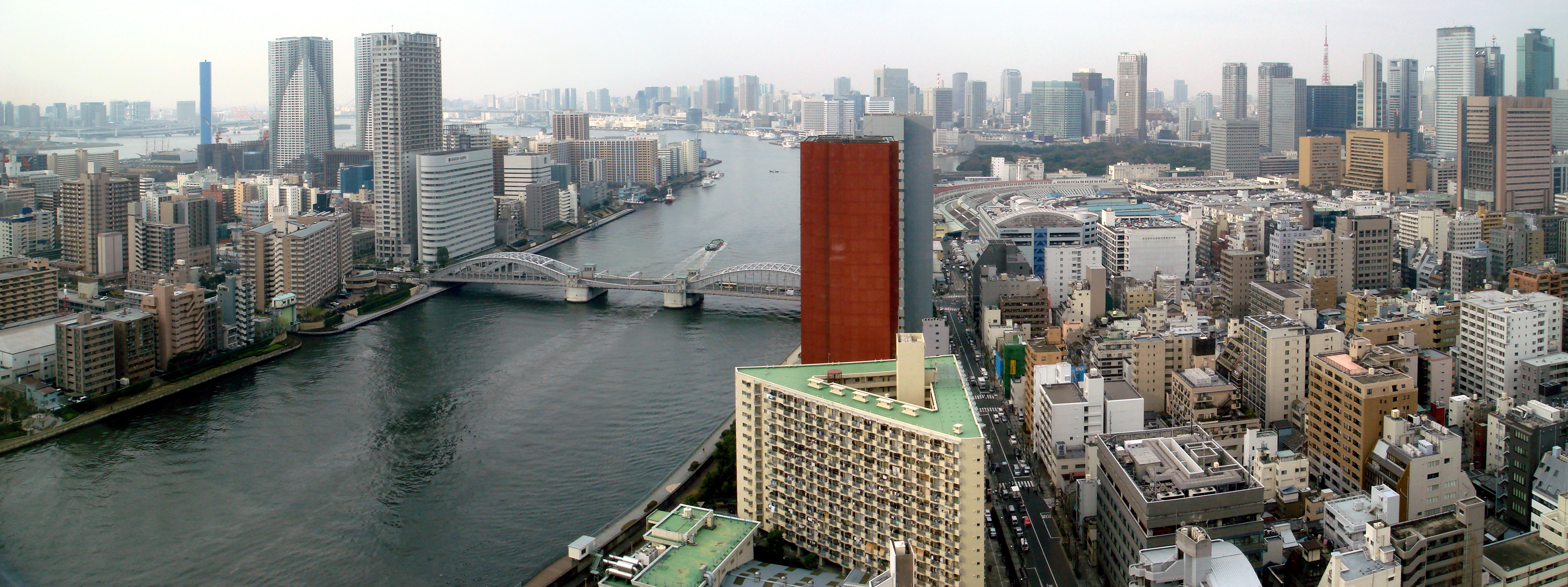
The average price of newly built condominiums in Tokyo's 23 wards reached ¥162.86 million in May 2026 [1].
This surge reflects a growing affordability crisis in Japan's capital, where a combination of limited housing supply and escalating construction expenses is pushing luxury pricing into the mainstream market.
According to the Real Estate Economic Research Institute, the May figure represents the second-highest level ever recorded for the region [1]. This price point marks a 15.9% increase compared to the previous year [1]. While the current peak is significant, it remains below the all-time record of ¥217.5 million set in March 2023 [1].
Several economic factors are contributing to the upward trend. The Real Estate Economic Research Institute said a limited supply of new units and the release of high-price projects are primary drivers [1]. Additionally, the cost of labor and materials continues to climb, while competition for land acquisition has intensified [1].
These pressures are not limited to the city center. The average price for new condominiums across the broader capital region was ¥106.6 million [1]. This reflects a year-on-year increase of 13.5% [1].
Industry analysts suggest the trend is unlikely to reverse quickly. The ANNnewsCH report said that because of the ongoing rise in personnel and material costs, prices are likely to continue rising gradually [1].
While other reports have cited different figures, such as an average of ¥153.13 million with an 18.3% increase, those data points refer to different reporting periods [2]. The May 2026 data remains the current benchmark for the 23 special wards [1].
“The average price of newly built condominiums in Tokyo's 23 wards reached ¥162.86 million in May 2026.”
The sustained rise in Tokyo real estate prices indicates a structural shift in the urban housing market. By combining high-end luxury developments with rising baseline costs for labor and materials, the 'entry price' for new ownership is moving beyond the reach of the average salary earner. This trend suggests that demand is being driven by high-net-worth investors and a shortage of available land, which may further accelerate the gentrification of the 23 wards.


