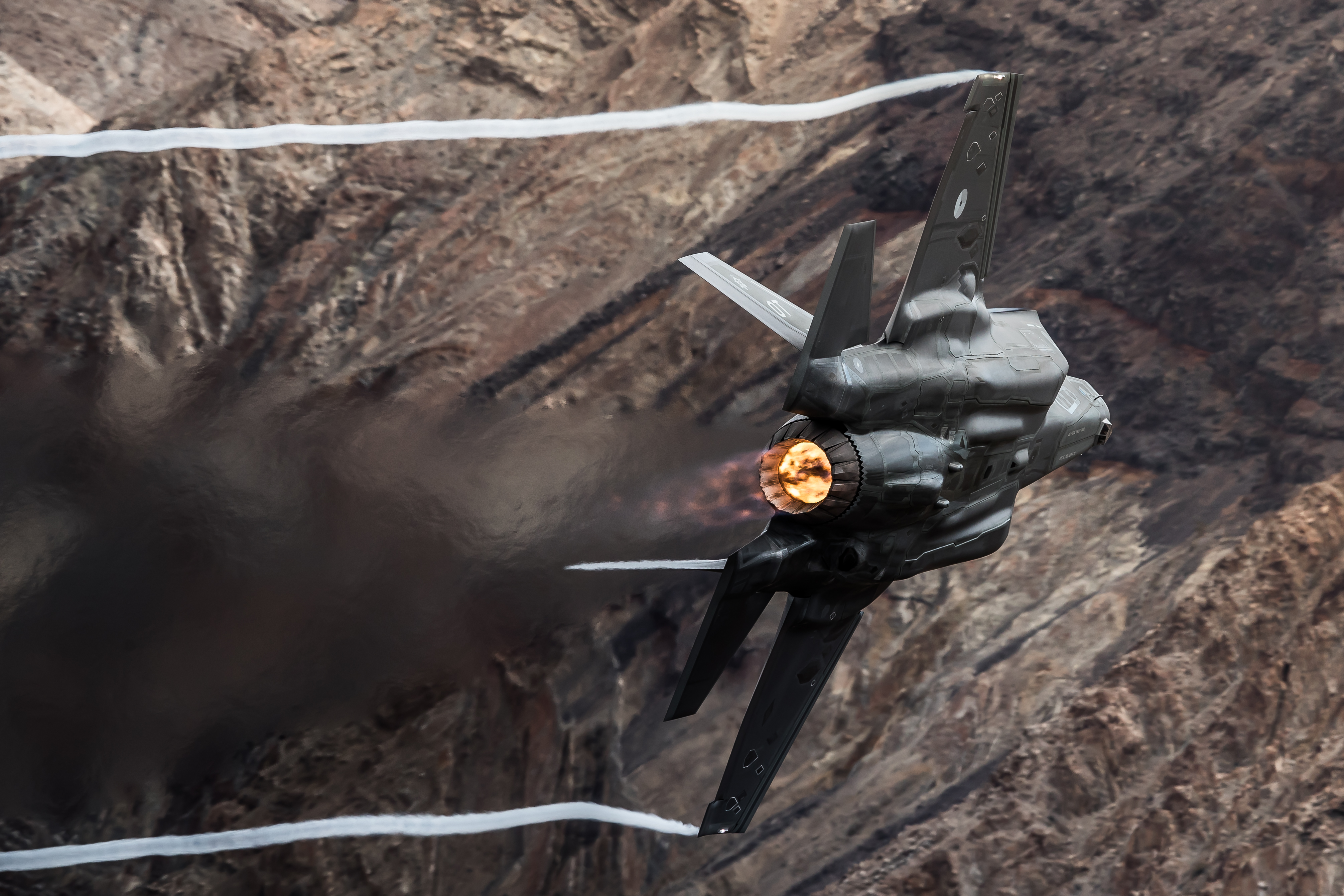
Eight crew members died Monday after a U.S. Air Force B-52 Stratofortress bomber crashed shortly after takeoff [1].
The loss of life during a routine operation highlights potential risks associated with the aging B-52 fleet and the inherent dangers of flight testing. This incident marks a significant tragedy for the Air Force, as all personnel aboard the aircraft died in the accident.
The crash occurred on June 15, 2026 [2], at approximately 11:20 a.m. local time [3]. The aircraft was operating out of Edwards Air Force Base in California, located in the Mojave Desert about 60 miles north of Los Angeles [4].
According to reports, the bomber was conducting a routine test mission when it went down [5]. The aircraft crashed shortly after departing from the runway, leaving no survivors among the eight people on board [1].
Air Force officials said they have not yet released the exact cause of the crash. The B-52 Stratofortress is a long-range strategic bomber that has served the U.S. military for decades, often undergoing extensive modernization to remain viable in current combat environments.
Emergency response teams converged on the site in the Mojave Desert to secure the wreckage and recover the crew. The investigation into the mechanical or human factors that led to the descent is expected to take several weeks as investigators analyze flight data and wreckage components.
“Eight crew members died Monday after a U.S. Air Force B-52 Stratofortress bomber crashed”
The crash of a B-52 during a routine test mission underscores the volatility of aerospace testing and the challenges of maintaining legacy aircraft. Because the B-52 is a cornerstone of the U.S. strategic bomber fleet, a systemic failure discovered during the investigation could lead to temporary groundings or accelerated retirement schedules for specific airframes.


