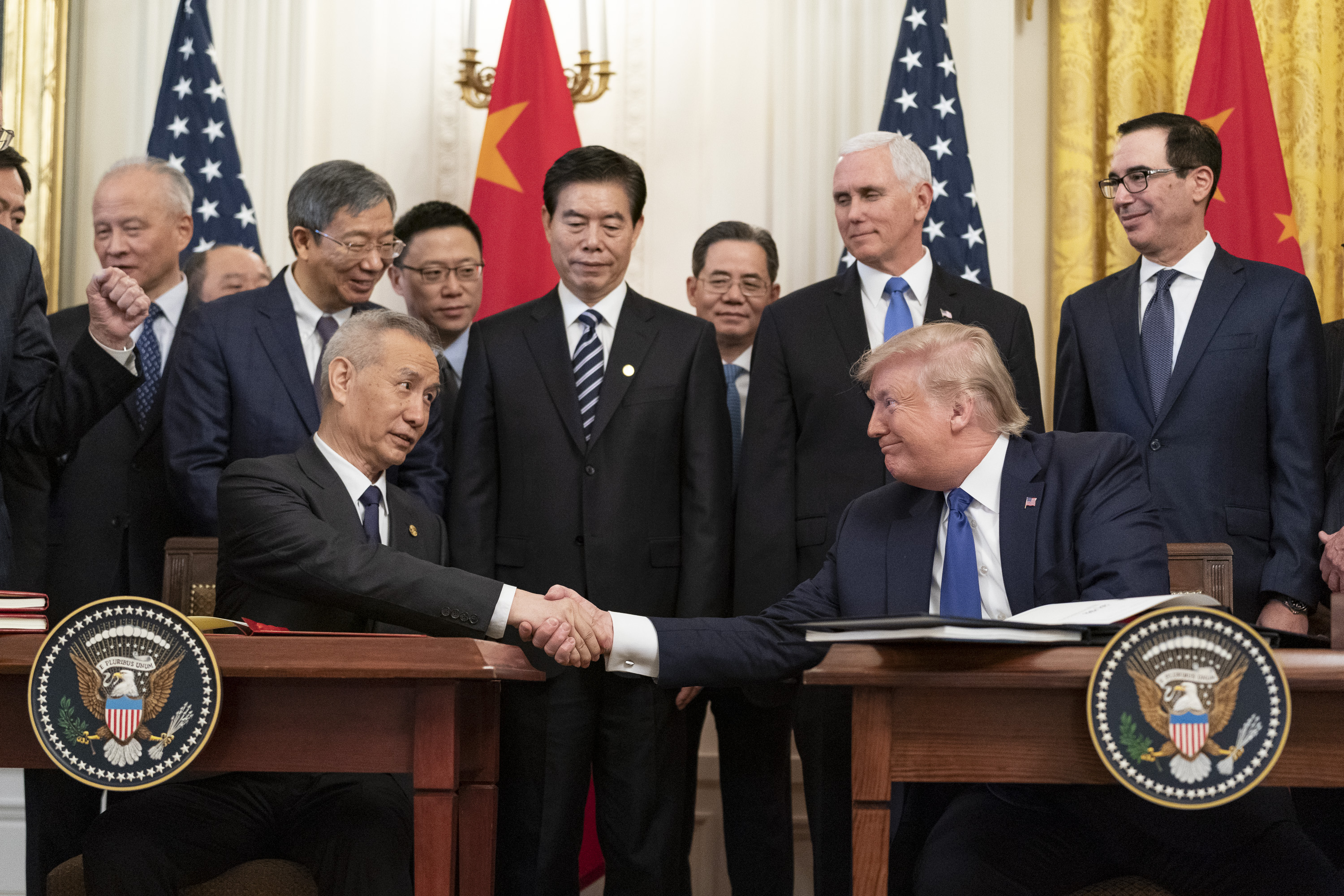
The United States and Iran announced a cease-fire agreement on June 14, 2026 [2], ending a war that began earlier this year.
This deal is critical because it restores the flow of global energy and shipping by reopening the Strait of Hormuz. The agreement also addresses regional instability by including specific provisions for Lebanon, aiming to prevent further escalation in the Middle East.
President Donald Trump and Iranian officials coordinated the announcement from Washington, D.C., and Tehran [1]. The conflict, which began on Feb. 28, 2026 [1], had created significant economic and security disruptions across the region. Officials said the agreement is designed to reduce tensions and establish a sustainable peace.
A primary component of the deal is the immediate restoration of maritime traffic. The Strait of Hormuz is scheduled to reopen starting Friday [2]. This waterway serves as a vital artery for global oil shipments, a closure that had pressured international markets since the outbreak of hostilities.
Beyond the immediate cessation of combat, the deal incorporates diplomatic frameworks for Lebanon [3]. These provisions are intended to stabilize the area and limit the influence of proxy conflicts that often exacerbate regional wars.
Officials said the agreement represents a necessary step toward long-term stability. While the exact location of the formal signing was not specified, the synchronized announcements in both capitals signal a mutual commitment to the terms [1].
“The United States and Iran announced a cease-fire agreement on June 14, 2026.”
The resolution of this conflict removes a primary threat to global energy security by reopening the Strait of Hormuz. By including Lebanon in the framework, the deal attempts to address the broader geopolitical architecture of the region rather than just the bilateral tension between Washington and Tehran.
'%2F%3E%0A%20%20%20%20%3Crect%20width%3D'1600'%20height%3D'900'%20fill%3D'url(%23v)'%2F%3E%0A%20%20%20%20%3Cg%20opacity%3D'0.08'%20fill%3D'%23ffffff'%3E%0A%20%20%20%20%20%20%3Ccircle%20cx%3D'1420'%20cy%3D'180'%20r%3D'220'%2F%3E%0A%20%20%20%20%20%20%3Ccircle%20cx%3D'1500'%20cy%3D'760'%20r%3D'120'%2F%3E%0A%20%20%20%20%3C%2Fg%3E%0A%20%20%20%20%3Cline%20x1%3D'80'%20y1%3D'172'%20x2%3D'220'%20y2%3D'172'%20stroke%3D'%23ffffff'%20stroke-width%3D'3'%20stroke-opacity%3D'0.6'%2F%3E%0A%20%20%20%20%3Ctext%20x%3D'80'%20y%3D'140'%20font-family%3D'Inter%2C%20-apple-system%2C%20Helvetica%2C%20sans-serif'%20font-weight%3D'700'%20font-size%3D'28'%20fill%3D'%23ffffff'%20letter-spacing%3D'6'%3EHANNA%20%C2%B7%20NEWS%3C%2Ftext%3E%0A%20%20%20%20%3Ctext%20x%3D'80'%20y%3D'230'%20font-family%3D'Inter%2C%20-apple-system%2C%20Helvetica%2C%20sans-serif'%20font-weight%3D'600'%20font-size%3D'40'%20fill%3D'%23ffffffb3'%20letter-spacing%3D'4'%3EWORLD%3C%2Ftext%3E%0A%20%20%20%20%3Ctext%20x%3D'80'%20y%3D'694'%20font-family%3D'Playfair%20Display%2C%20Georgia%2C%20serif'%20font-weight%3D'800'%20font-size%3D'110'%20fill%3D'%23ffffff'%20letter-spacing%3D'-1'%3EOzeki%20Kotokura%20wins%20Paris%3C%2Ftext%3E%3Ctext%20x%3D'80'%20y%3D'820'%20font-family%3D'Playfair%20Display%2C%20Georgia%2C%20serif'%20font-weight%3D'800'%20font-size%3D'110'%20fill%3D'%23ffffff'%20letter-spacing%3D'-1'%3Esumo%20exhibition%3C%2Ftext%3E%0A%20%20%20%20%3Ctext%20x%3D'80'%20y%3D'870'%20font-family%3D'Inter%2C%20-apple-system%2C%20Helvetica%2C%20sans-serif'%20font-weight%3D'500'%20font-size%3D'22'%20fill%3D'%23ffffff66'%20letter-spacing%3D'2'%3Enews.hanna-ai.com%3C%2Ftext%3E%0A%20%20%3C%2Fsvg%3E)

