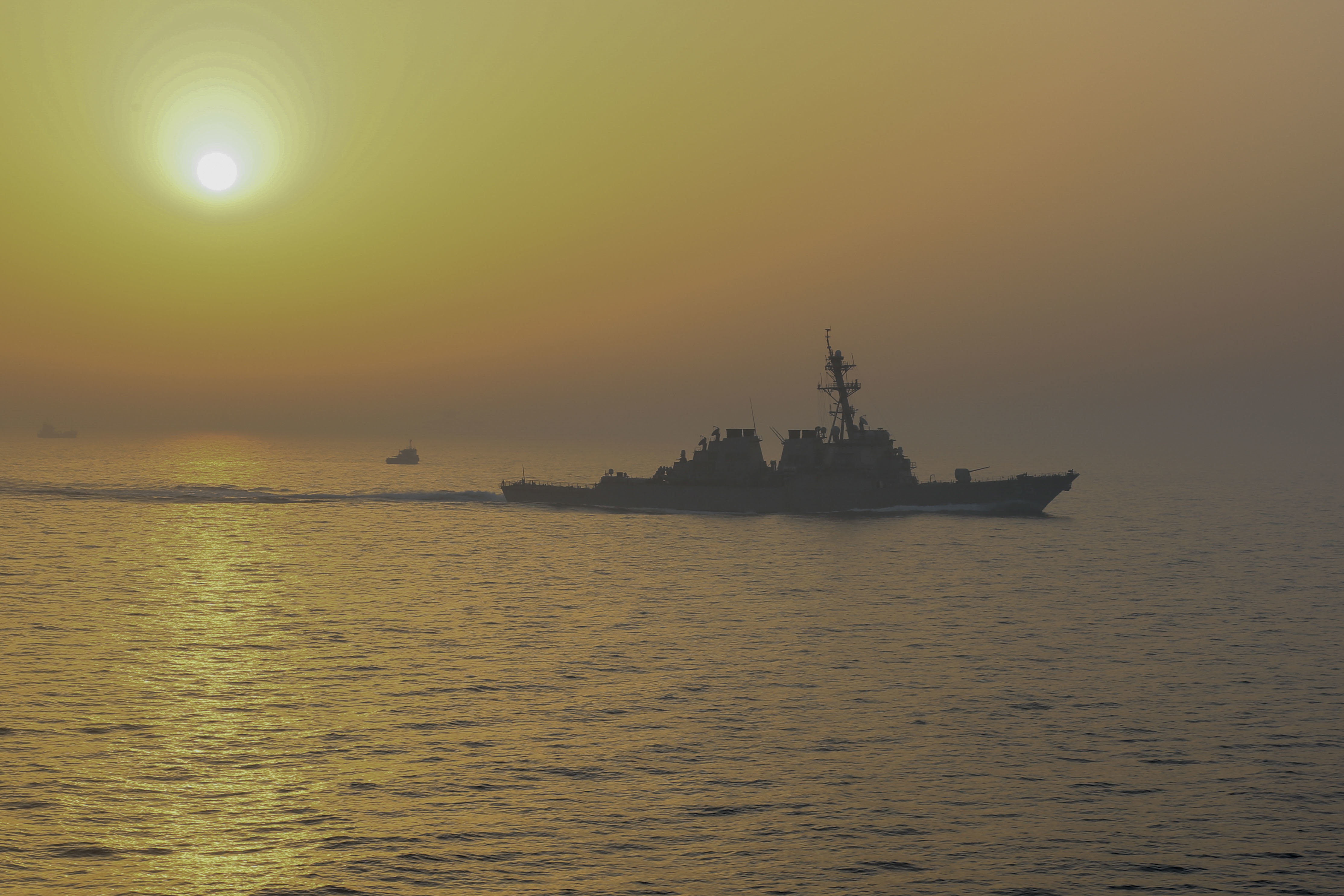
The United States and Iran reached a peace agreement on Sunday, June 14, 2026, to halt fighting and reopen the Strait of Hormuz [1].
This deal is critical because it seeks to restore commercial shipping in one of the world's most vital maritime corridors and end a U.S. naval blockade on Iranian ports [2]. The resolution of these hostilities could stabilize global energy markets and reduce the immediate risk of a wider regional war [3].
President Donald Trump represented the U.S. in the negotiations for the agreement [1]. The terms of the cease-fire are expected to last for 60 days [2]. Under the deal, the U.S. will lift the naval blockade currently restricting Iranian ports, allowing for the resumption of trade and movement [3].
Despite the agreement between Washington and Tehran, other regional tensions remain high. The Israeli military has launched strikes on Beirut targeting Hezbollah infrastructure [4]. These actions occur as the U.S. and Iran attempt to move toward a cessation of hostilities, raising questions about whether Israel will be drawn further into the conflict [4].
The agreement was expected to be formally signed on June 14, 2026 [1]. The primary objectives of the pact are to stop the ongoing U.S.–Iran war, and ensure the safe passage of ships through the Strait of Hormuz [2].
While the 60-day window provides a temporary reprieve, the stability of the deal depends on the adherence of both nations to the blockade lift and the cessation of naval engagements [2]. The situation remains fluid as international observers monitor the impact of Israeli military activity in Lebanon on the broader peace process [4].
“The cease-fire is expected to last for 60 days.”
The short-term nature of the 60-day cease-fire suggests this is a cooling-off period rather than a permanent peace treaty. By prioritizing the reopening of the Strait of Hormuz, the U.S. is addressing a critical economic vulnerability. However, the simultaneous Israeli strikes in Beirut indicate that while the U.S.-Iran axis may be stabilizing, the wider regional conflict involving Hezbollah and Israel remains a volatile variable that could undermine the agreement.


