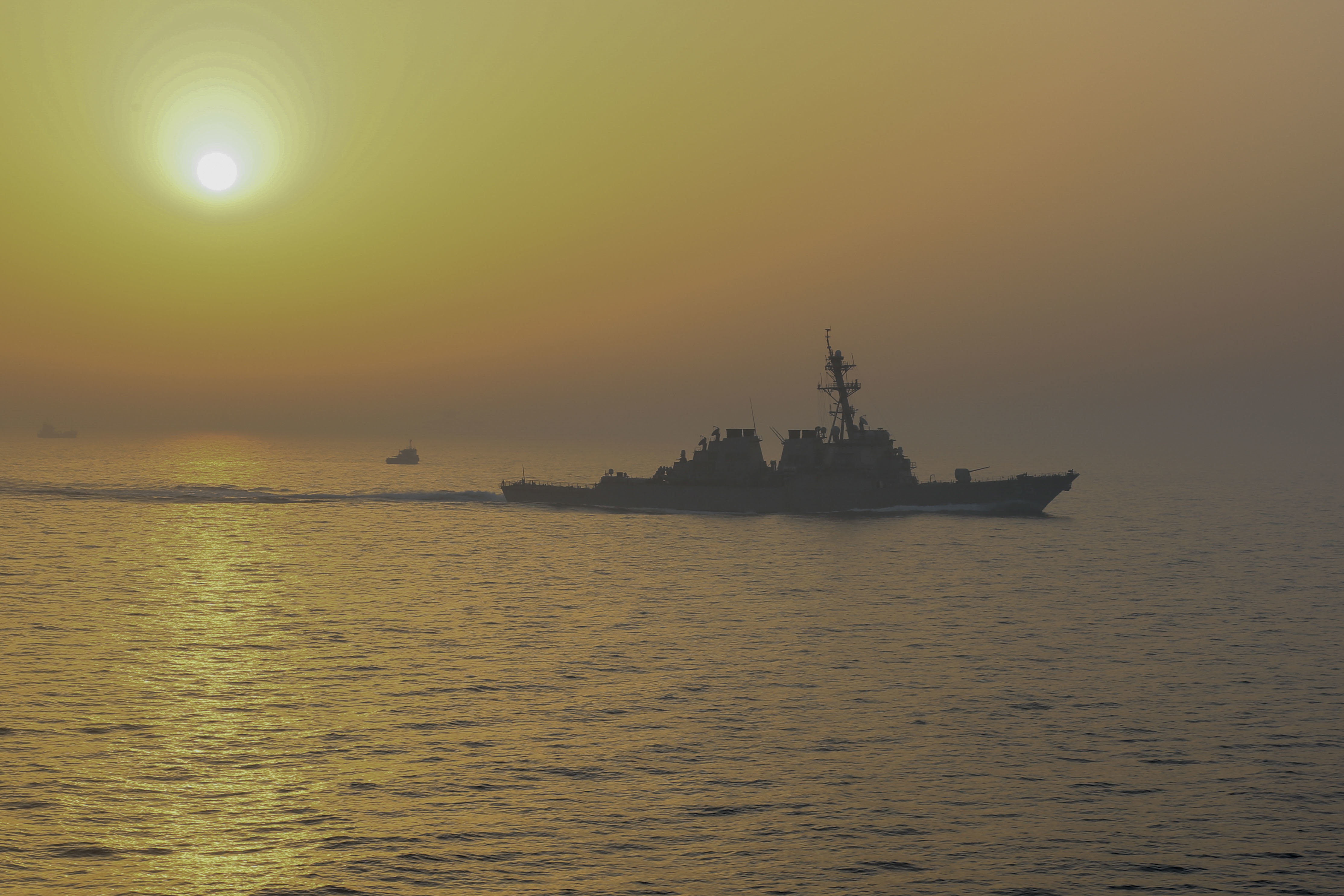
The United States lifted its naval blockade on Iran on June 18, 2024 [3], allowing ships to resume transiting the Strait of Hormuz [1].
This move marks a significant shift in regional tensions, as the reopening of the narrow waterway between Oman and Iran restores the flow of global energy supplies. The decision follows an interim U.S.-Iran cease-fire agreement aimed at ending hostilities linked to the Gaza war [5].
"We have lifted the blockade on Iran and ships are now moving freely through the Strait of Hormuz," said U.S. Secretary of State Antony Blinken [4].
The interim deal triggers a 60-day negotiation process [2] intended to establish a more permanent peace. While the naval restrictions have been removed, officials said that other regional conflicts, including the situation in Lebanon, remain unresolved [5].
Global energy markets reacted quickly to the news. Oil prices fell to their lowest level since March 2 [3]. The drop reflects reduced risk premiums as the threat of a total maritime shutdown in the region receded.
Kuwait is expected to increase its energy output in response to the renewed stability. "Kuwait will start ramping up production as the interim peace deal sparks activity in the region," said Kuwait Oil Minister Saad Al Barrak [6].
U.S. officials and Iranian representatives are now entering the window of diplomacy defined by the agreement. The 60-day period serves as a critical trial phase to determine if the cease-fire can be expanded into a comprehensive diplomatic settlement [2].
“"We have lifted the blockade on Iran and ships are now moving freely through the Strait of Hormuz,"”
The lifting of the blockade reduces the immediate risk of a global energy crisis by securing the Strait of Hormuz, a primary chokepoint for oil exports. However, the short 60-day window for negotiations suggests that the current peace is fragile and contingent on the success of diplomatic talks regarding the broader Gaza and Lebanon conflicts.


