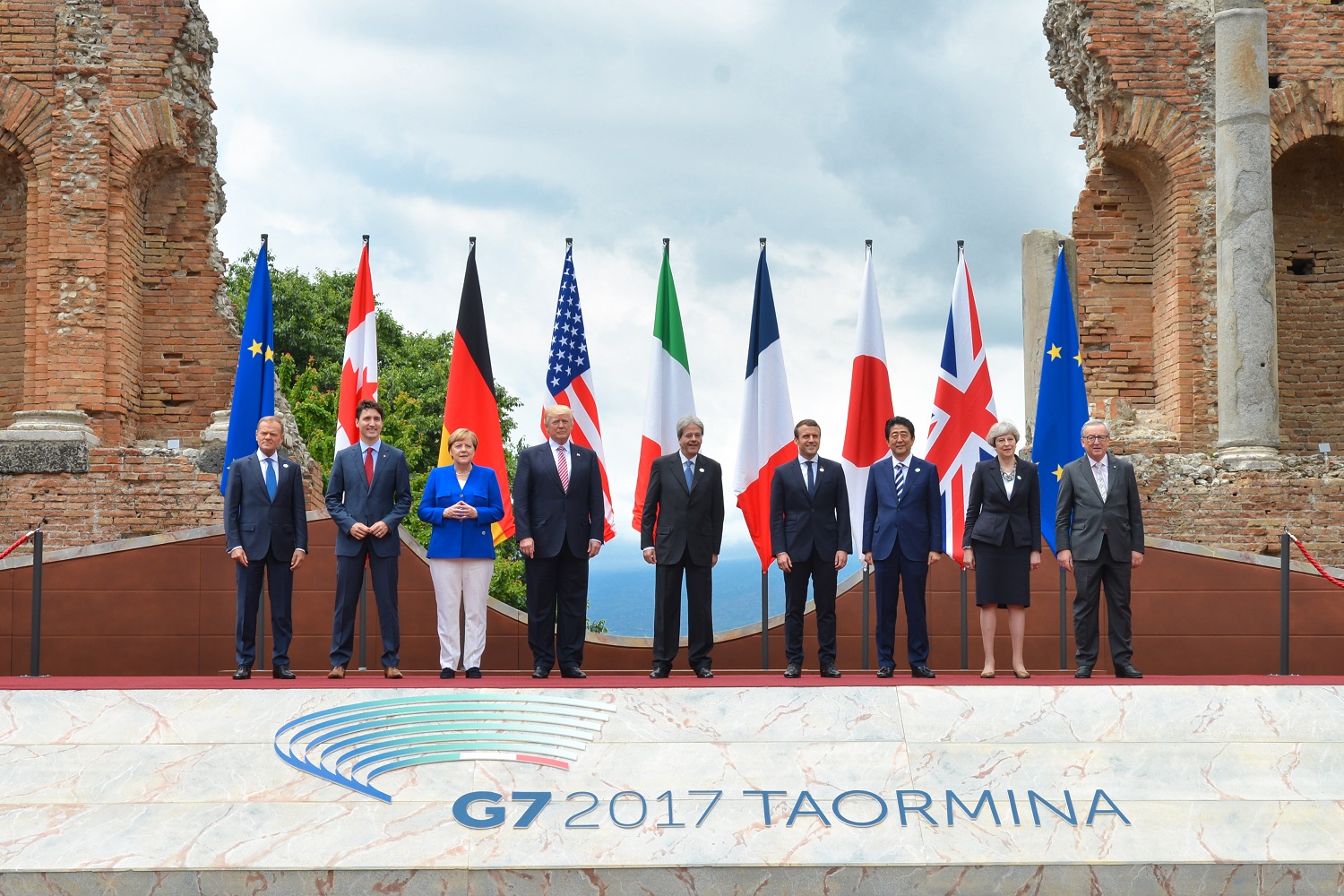
President Donald Trump discussed a leaked memorandum of understanding between the U.S. and Iran during a press conference at the G7 summit in France [1].
The potential agreement marks a significant shift in diplomatic relations, as it proposes to lift the blockade on Iran and address regional security concerns [1, 3].
During the summit, which took place from June 13 to 15, 2024, Trump delivered a 40-minute rant regarding the deal and related geopolitical issues [2]. The leak of the memorandum has brought the tentative peace deal into the public eye before the official proceedings were completed [1].
Reports on the finality of the agreement vary. Some sources said that a peace deal has been reached and the blockade has been lifted [3]. Other reports suggest the deal remains elusive and that Trump said the two nations were close to an agreement without a finalized document [4].
If the agreement holds, a formal signing ceremony is scheduled for June 19, 2024, in Geneva, Switzerland [3].
Despite the optimism surrounding the potential signing, internal skepticism exists within the U.S. intelligence community. CIA Director John Ratcliffe said he had serious doubts about the willingness of Iran to make necessary nuclear concessions [5]. This tension highlights a gap between the administration's public diplomatic efforts and the assessments of intelligence officials.
The proposed deal aims to stabilize the region by allowing oil to flow, and reducing the likelihood of military conflict through diplomatic concessions [3].
“President Donald Trump delivered a 40-minute rant regarding the deal and related geopolitical issues.”
The discrepancy between the White House's announcement of a deal and the CIA's skepticism suggests a fragile diplomatic window. If the June 19 signing in Geneva fails to materialize, it could signal a breakdown in trust and a return to heightened sanctions, potentially destabilizing global oil markets and regional security.


