U.S. President Donald Trump and Iranian President Masoud Pezeshkian signed a memorandum of understanding to end the war between their two nations [1].
The agreement aims to stabilize global energy markets and regional security by reopening the Strait of Hormuz and expanding cease-fire zones [1, 2].
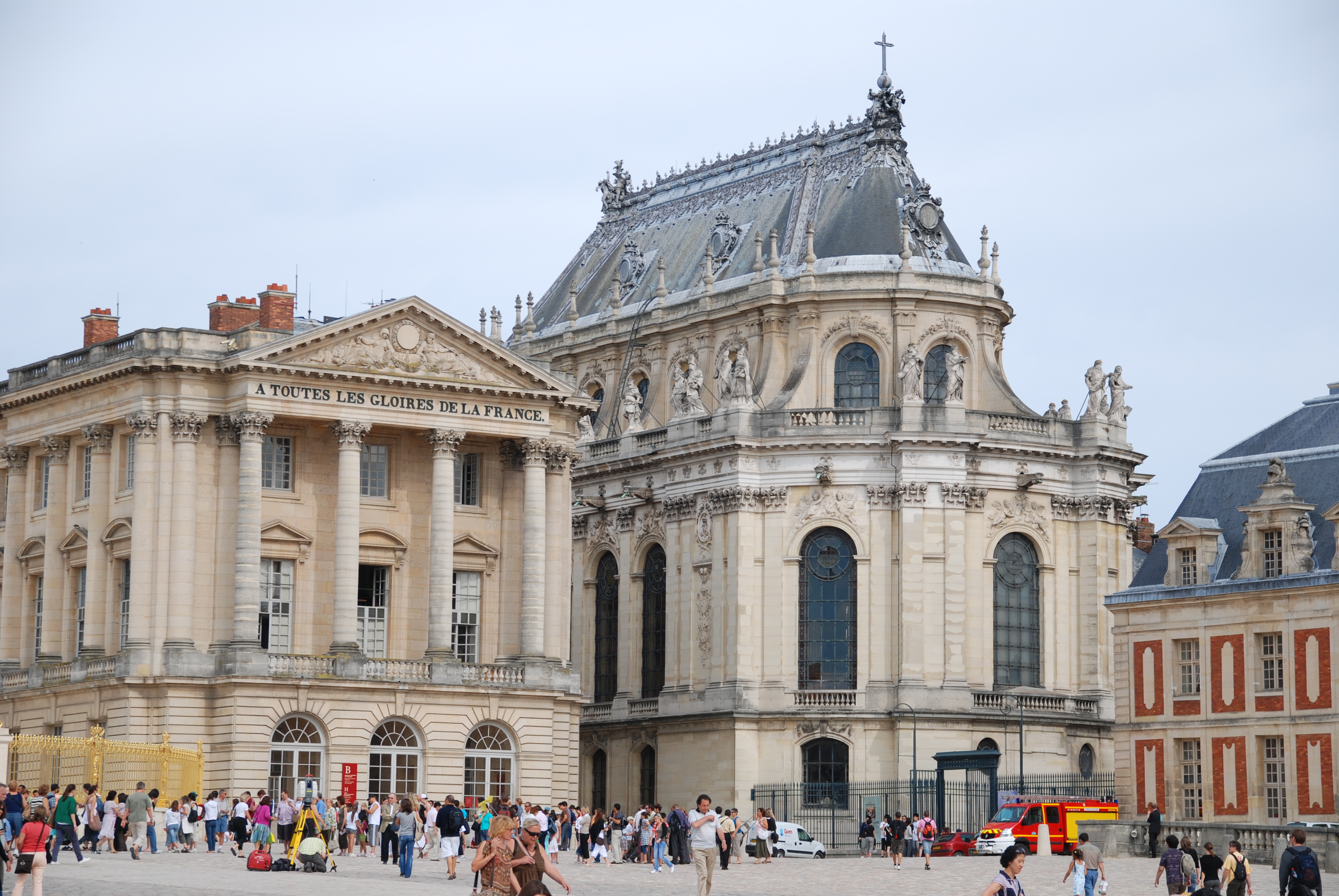
The signing took place at the Palace of Versailles in France during the G7 summit [1, 3]. The deal provides for sanctions relief, and the reopening of key maritime routes to ensure the flow of oil and trade [1, 2].
Reports on the exact timing of the signing vary. Some sources indicate the agreement was signed on Sunday, June 16, 2026 [4], while other reports state the signing occurred on Wednesday, June 19, 2026 [5]. A White House official said President Trump signed the memorandum while visiting French President Emmanuel Macron [2].
Following the announcement, questions arose regarding the financial terms of the agreement. President Trump addressed reports that the U.S. would provide a $300 billion investment in Iran [6].
"President Donald Trump called reports of a $300 billion investment in Iran 'false,'" Fox News said, noting the president said the U.S. is "not investing $0.10" [6].
The memorandum of understanding serves as a framework to end prolonged hostilities and establish a new diplomatic baseline between Washington and Tehran [1, 2].
“President Donald Trump called reports of a $300 billion investment in Iran 'false.'”
The reopening of the Strait of Hormuz is the most critical economic component of this deal, as the waterway is a primary transit point for global oil supplies. By combining sanctions relief with a formal end to hostilities, the agreement attempts to reduce the risk of a direct military confrontation in the Persian Gulf, though the conflicting reports on the signing date and investment figures suggest ongoing volatility in how the deal is communicated to the public.


