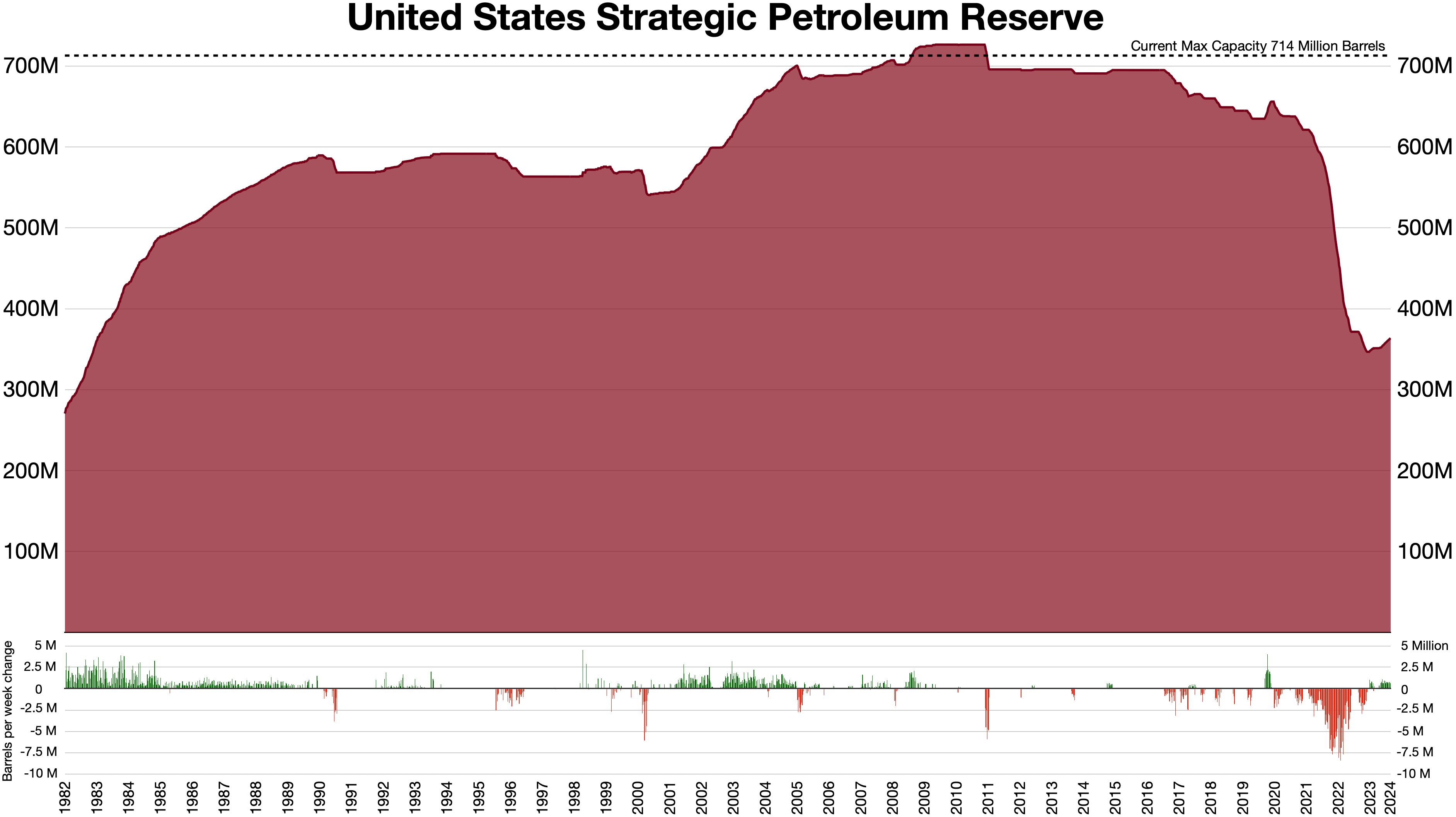
The U.S. Strategic Petroleum Reserve faces significant depletion risks as artificial intelligence and electric vehicle adoption drive a hunger for power [1].
This trend threatens the national security buffer designed to protect the economy from sudden supply shocks. As the energy grid struggles to keep pace with the rapid deployment of AI data centers and the shift toward electric transport, the reserve is being utilized at a high rate [1, 2].
Industry analysts said that the pressure began mounting last year. In 2026, the intersection of AI and EVs created a surge in electricity demand that strained existing energy infrastructure [2]. This increased reliance on backup and supplementary power sources has put pressure on the SPR, which traditionally serves as a hedge against geopolitical instability.
The vulnerability of these reserves is not limited to the U.S. Shekhar Gupta, Editor-in-Chief of ThePrint, said that strategic petroleum reserves have become critical in an era of supply shocks and geopolitical conflict [3]. Gupta said that India needs bigger oil buffers to maintain similar stability [3].
Monitoring the SPR requires watching specific indicators of drawdown. When these buffers drop below certain thresholds, the ability of the government to mitigate price spikes during international crises diminishes, leaving the domestic market exposed to volatility [1].
While the transition to green energy is intended to reduce long-term oil reliance, the immediate transition period is creating a spike in demand. The energy required to power the AI revolution and the charging infrastructure for EVs is currently outpacing the growth of sustainable energy production [2].
“In 2026, AI and EVs gave the US an insatiable hunger for power.”
The depletion of the SPR highlights a critical gap in the energy transition. While AI and EVs are pillars of a future economy, their current energy requirements are creating a short-term dependency on legacy fuel reserves. This leaves the U.S. more vulnerable to global oil price volatility at the exact moment it is attempting to pivot away from fossil fuels.