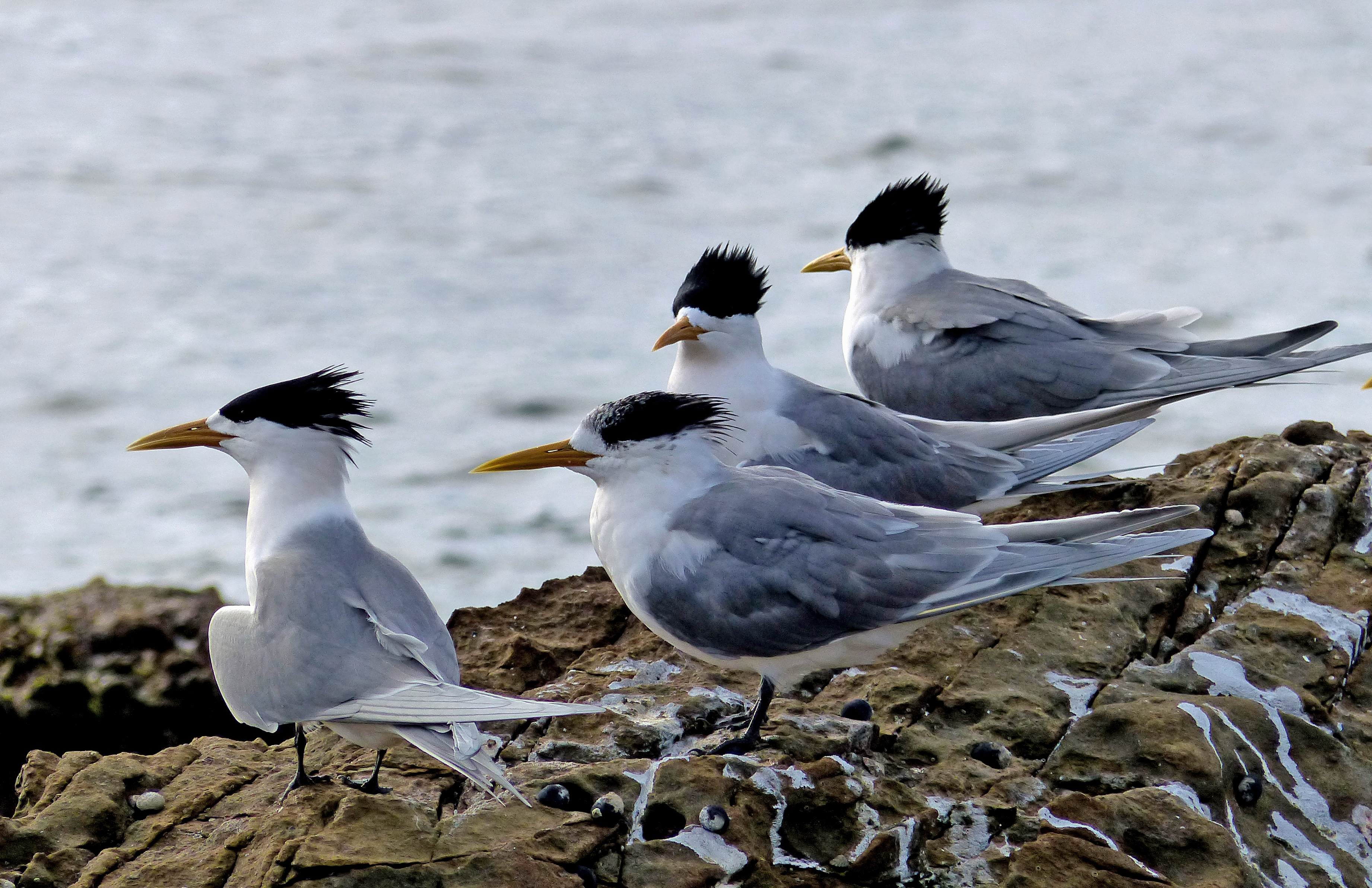
Australian officials are monitoring an increase in H5 bird flu detections after more than 80 sick or dead seabirds were found off South Australia's coast [1].
The spread of the virus threatens native bird populations and could disrupt local ecosystems if the outbreak reaches a critical mass. Conservationists warn that the current trajectory of the virus puts vulnerable species at risk of significant population decline.
Authorities have reported a suspected positive H5 bird-flu case in a third Australian state [4]. This follows previous detections on Western Australia’s southern coast, where two cases were identified in migratory birds [3].
Public concern has grown as the virus moves across the continent. The emergency animal disease hotline has received 42 calls from citizens reporting dead or unwell birds [2].
Agriculture Minister Jackie Jarvis said the federal government is prepared to manage the outbreak. The government's response involves monitoring migratory patterns, and coordinating with state wildlife officials to contain the virus.
Conservationists, however, remain concerned about the speed of the transmission. They said the discovery of dozens of dead birds in South Australia suggests the virus is circulating more widely than previously estimated [1].
Wildlife officials continue to survey the coastlines of South Australia and Western Australia to identify the extent of the impact. The focus remains on preventing the virus from jumping from migratory species to resident native birds, which could lead to wider ecological damage.
“More than 80 sick or dead seabirds were found off South Australia's coast.”
The detection of H5 bird flu in three separate Australian states indicates a geographic expansion of the virus that transcends isolated incidents. Because the virus is appearing in migratory birds, Australia's unique biodiversity is at risk as these birds act as vectors, potentially introducing the pathogen to remote colonies of native species that have no prior immunity.

