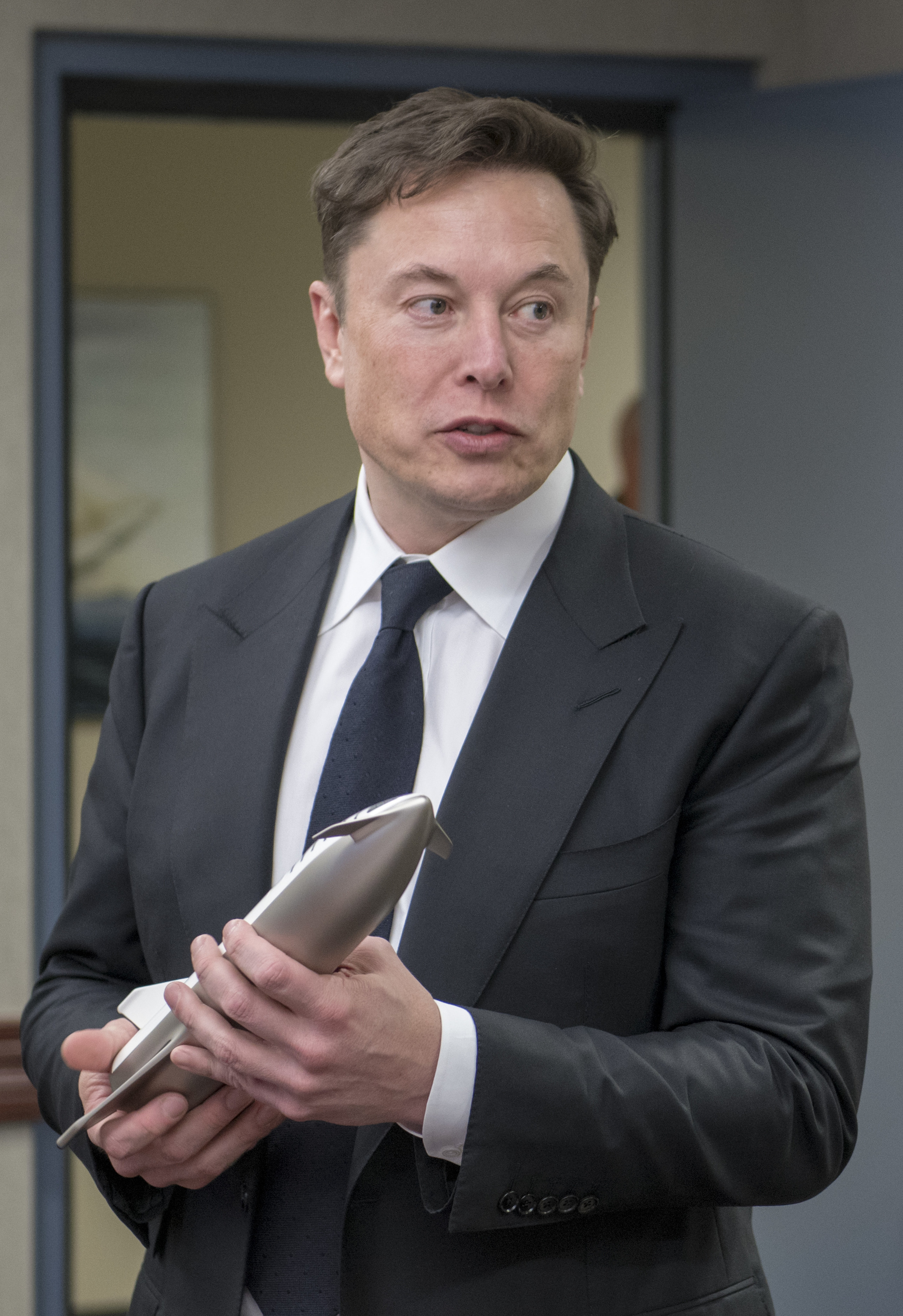
Elon Musk, Jeff Bezos, and other billionaire entrepreneurs are competing to launch missions and eventually colonize Mars [1, 2].
This rivalry represents a shift in space exploration from government-led initiatives to private enterprise. The outcome will determine whether humanity establishes a multi-planetary presence or if commercial interests prioritize prestige over sustainable colonization [1, 4].
Musk, whose net worth is 308 billion U.S. dollars [5], has long positioned SpaceX as the leader in this race. However, the timeline for reaching the Red Planet has shifted. A Starship launch to Mars was originally promised for the end of 2026 [6], but Musk said he postponed the project, putting the 2026 mission on the back burner [6].
While some reports suggest the billionaire race is accelerating with ambitious investments [1], other events have cast doubt on near-term timelines. The U.S. space sector faced a significant disruption following a bomb incident on Oct. 20, 2026 [7]. This event created instability within the industry and affected the operational pace of various space projects [7].
Bezos and other entrepreneurs continue to invest billions to reach Mars [1]. These efforts are driven by a combination of commercial opportunity and the belief that the long-term survival of the human species depends on establishing a presence beyond Earth [1, 4].
Despite the competition, the feasibility of these goals remains a point of contention. Critics question whether the technical and biological requirements for colonizing Mars are actually achievable within the proposed timeframes [4]. The tension between the optimistic projections of the billionaires and the reality of orbital security and engineering failures continues to define the current era of space exploration [1, 6, 7].
“Elon Musk and Jeff Bezos are competing to launch missions and eventually colonize Mars.”
The transition of space exploration to the private sector introduces a volatile mix of rapid innovation and unpredictable delays. While billionaire capital accelerates development, the reliance on individual entrepreneurs means that a single tweet or a security breach can derail global timelines for interplanetary travel.


