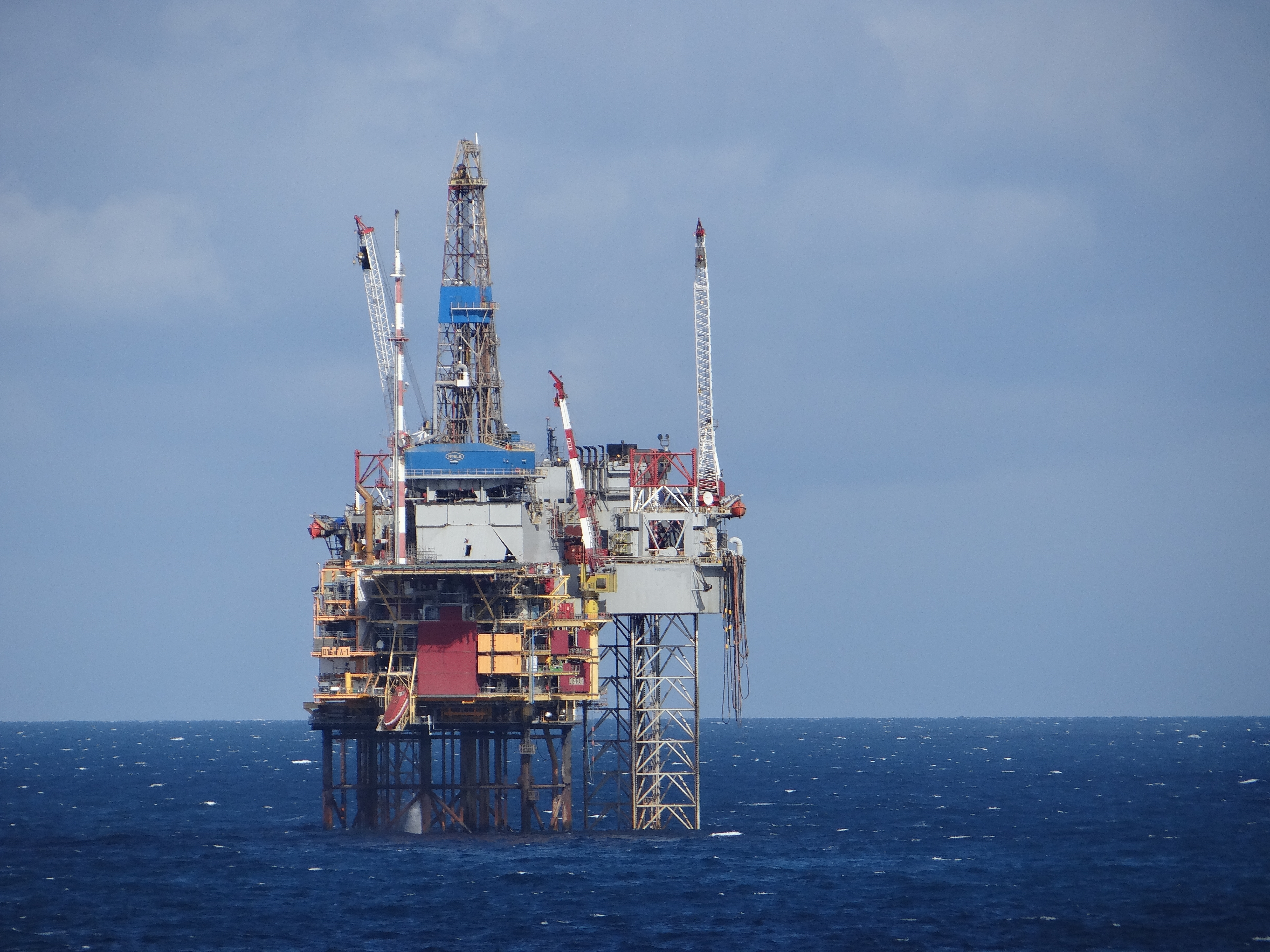
BP announced Friday that it is putting its entire North Sea oil and gas business up for sale.
The move signals a significant retreat from one of the world's most established energy basins and complicates the British government's current industrial strategy. By exiting these fields, BP accelerates its transition away from fossil fuels in the United Kingdom.
The company has operated its North Sea assets for 60 years [1]. According to the company, the decision to sell is driven by a combination of tax pressure, low oil prices, and a strategic shift toward renewable energy [2, 3].
This divestment creates a direct conflict with the goals of Prime Minister Andy Burnham, whose administration has focused on a plan to re-industrialise Britain [3]. The departure of a major player like BP may undermine those efforts to maintain a robust industrial base in the offshore sector.
While BP focuses on the economic and strategic drivers of the sale, other observers frame the decision through a political lens. The Scottish National Party has demanded decisive action in response to the announcement, linking the move to broader climate-policy pressures [3].
BP did not provide a specific timeline for the completion of the sale, but the announcement marks a definitive end to its long-term presence in the region's oil and gas extraction [1, 2].
“BP announced Friday that it is putting its entire North Sea oil and gas business up for sale.”
BP's exit reflects a broader trend of supermajors pivoting toward green energy to meet climate targets and avoid stranded assets. However, the timing creates a political vacuum in the UK, where the government is attempting to balance energy security and industrial growth with decarbonization. The sale suggests that tax regimes and market pricing in the North Sea are no longer competitive enough to retain global energy giants.


