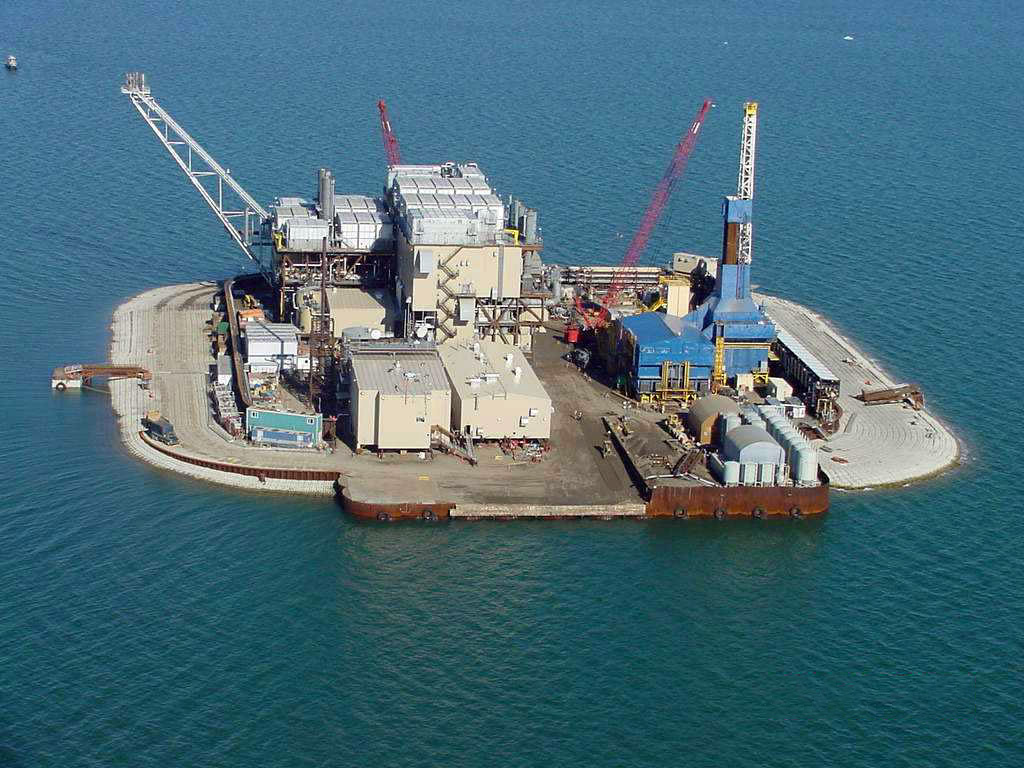
BP announced on Friday, July 31, that it is launching a process to sell its North Sea oil and gas business [1].
The move signals a strategic pivot for the energy giant as it attempts to insulate itself from volatile global energy markets and the impact of higher windfall taxes. By offloading these assets, BP aims to simplify its corporate structure, and reduce its overall debt [1].
BP has maintained a presence in the North Sea for approximately 60 years [1]. The company currently operates five rigs in UK waters [2]. This divestment marks a significant departure from a long-term operational footprint in the region.
The decision comes amid a shifting economic landscape for fossil fuel extraction in the United Kingdom. The company said the sale is intended to reduce exposure to the unpredictable nature of global energy pricing and the fiscal pressures exerted by the UK government's taxation policies [1].
While the company has not yet named a buyer, the process is expected to attract interest from smaller independent operators or firms looking to expand their footprint in the region. The sale of these assets reflects a broader trend of major oil companies streamlining their portfolios to focus on higher-margin projects, or transitioning toward renewable energy sources [1].
The divestment follows a period of significant volatility in the energy sector, where the cost of maintaining aging infrastructure in the North Sea has risen alongside increasing regulatory requirements. By exiting these operations, BP can reallocate capital toward other strategic priorities while mitigating the risk of further tax hikes on North Sea profits [1].
“BP announced on Friday, July 31, that it is launching a process to sell its North Sea oil and gas business”
This sale indicates a strategic retreat by one of the world's largest energy companies from a mature basin. The decision to exit the North Sea is driven less by a lack of resources and more by the financial burden of UK windfall taxes and the operational costs of aging assets. It suggests that for major players like BP, the risk-reward profile of UK continental shelf production no longer aligns with their goal of debt reduction and corporate simplification.

