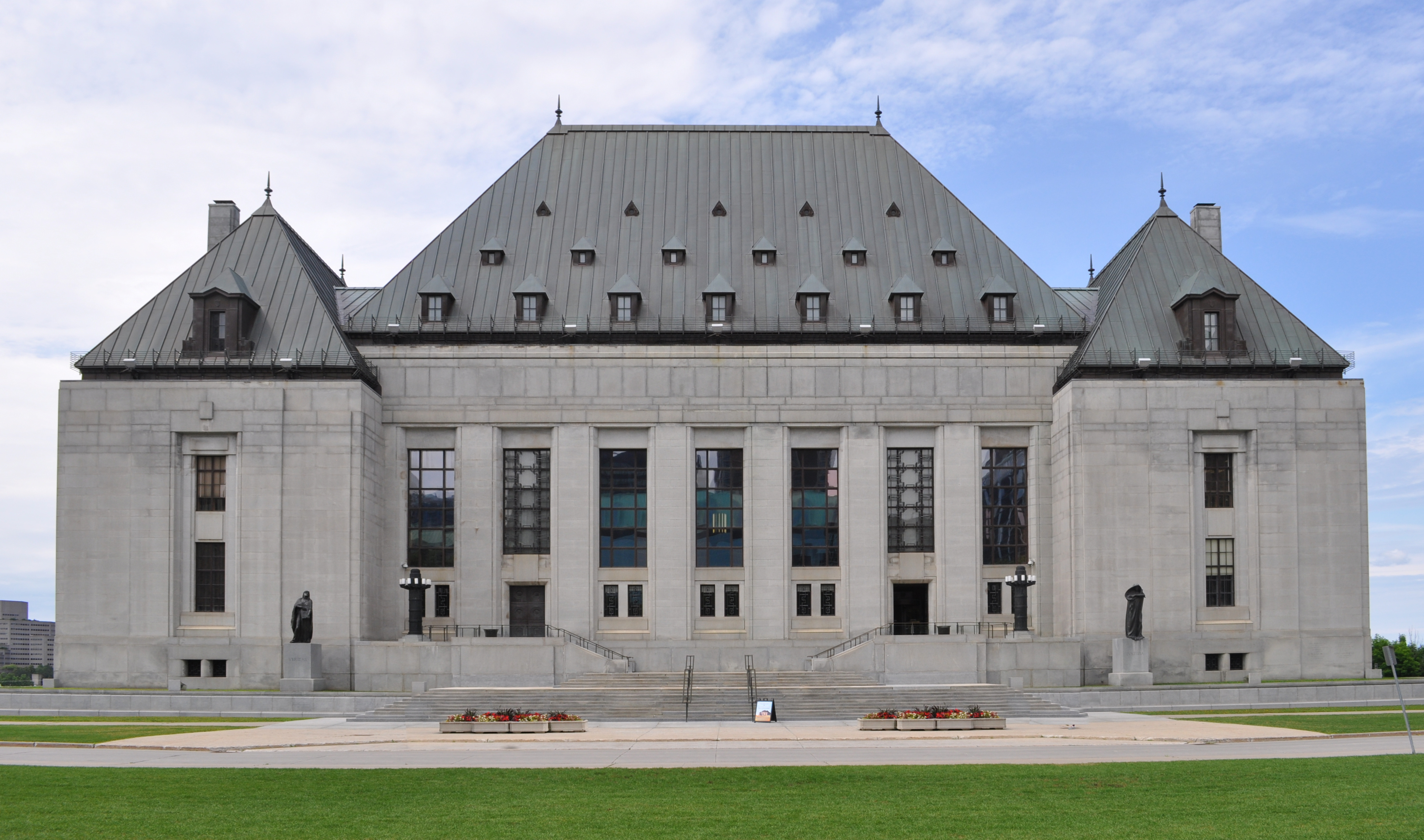
Justice Minister Sean Fraser said Canada's new bail and sentencing law, Bill C-14 [1], is a major step toward a more just system.
The legislation aims to address systemic failures within the federal judicial process. By reforming how the state handles accused persons, the government intends to reduce overcrowding in jails and provide more support to an under-funded judicial system [1, 2].
Fraser said the reforms are designed to deliver a more equitable bail process. He said the government must ensure the system balances public safety with the rights of accused persons [2].
Bill C-14 [1] passed and came into force in June 2023 [2]. The law introduces sweeping changes to how sentencing and bail are handled across the country to alleviate pressure on the courts and correctional facilities [1, 2].
However, the effectiveness of these reforms remains a point of contention among legal professionals. While federal officials view the law as progress, a Saskatchewan criminal-justice expert said the new bail reform law won’t make communities safer [2].
Critics of the legislation argue that the changes fail to address the root causes of violent offending [2]. This tension highlights a divide between the federal goal of systemic equity, and provincial concerns regarding immediate public safety.
Fraser said, "This is a major step forward for a more just system" [2].
“"This is a major step forward for a more just system."”
The implementation of Bill C-14 represents a shift in Canadian judicial priority toward reducing pretrial detention and addressing the logistical collapse of overcrowded jails. While the federal government views this as a human rights and efficiency victory, the pushback from regional experts suggests a growing friction between the pursuit of judicial equity and the perceived need for stringent public safety measures.