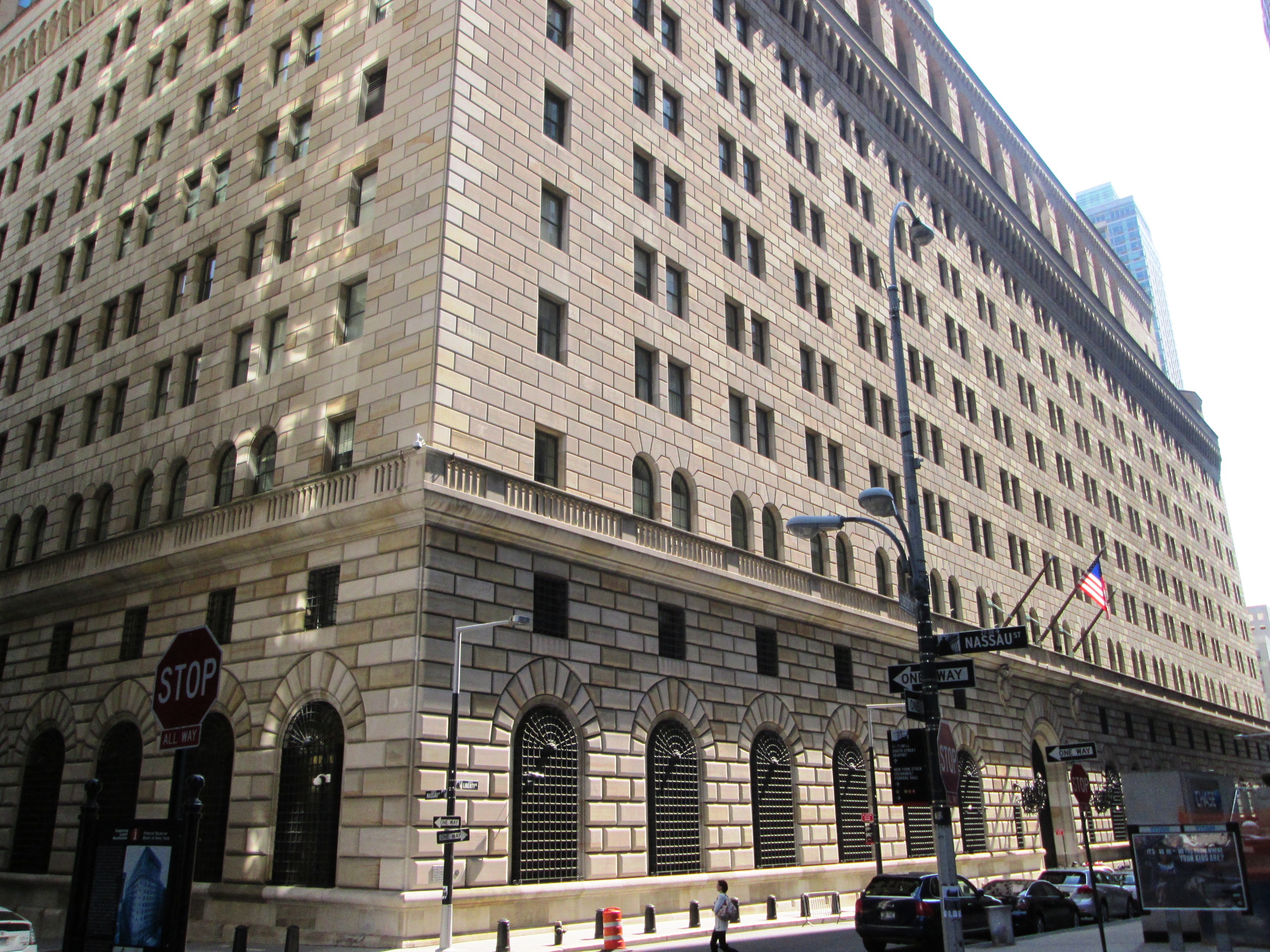
Central banks and the U.S. Federal Reserve became the primary focus of global market commentary on June 16 and 17, 2026 [1].
These signals matter because shifts in monetary policy from major authorities can trigger significant volatility in financial markets and alter the cost of borrowing worldwide.
Market attention centered on policy signals and potential interest-rate moves from the Federal Reserve and other major monetary authorities [1]. While the Fed has remained steady on current rates, officials said they have hinted at a potential raise later this year [3].
Internal movements within the Federal Reserve suggest a possible change in direction. Kevin Warsh said he has signaled a shift in policy by introducing new task forces [2]. This move indicates that the central bank may be exploring new frameworks for its monetary approach, a contrast to the current stance of holding rates steady.
Global financial markets are currently reacting to these conflicting signals [1]. Investors are weighing the stability of current rates against the possibility of a hike and the strategic changes suggested by new task forces [2], [3].
The focus on these institutions reflects a broader uncertainty regarding the trajectory of inflation and economic growth. Because the Federal Reserve's decisions influence global liquidity, the market remains sensitive to any language suggesting a departure from existing policy [1], [3].
“Central banks and the U.S. Federal Reserve became the primary focus of global market commentary”
The divergence between the Fed's current rate stability and the signals of future hikes or structural changes creates a period of market anticipation. If the Federal Reserve implements a rate increase later in 2026, it could signal a pivot toward tighter monetary policy to combat inflation, potentially slowing economic growth while strengthening the U.S. dollar.


