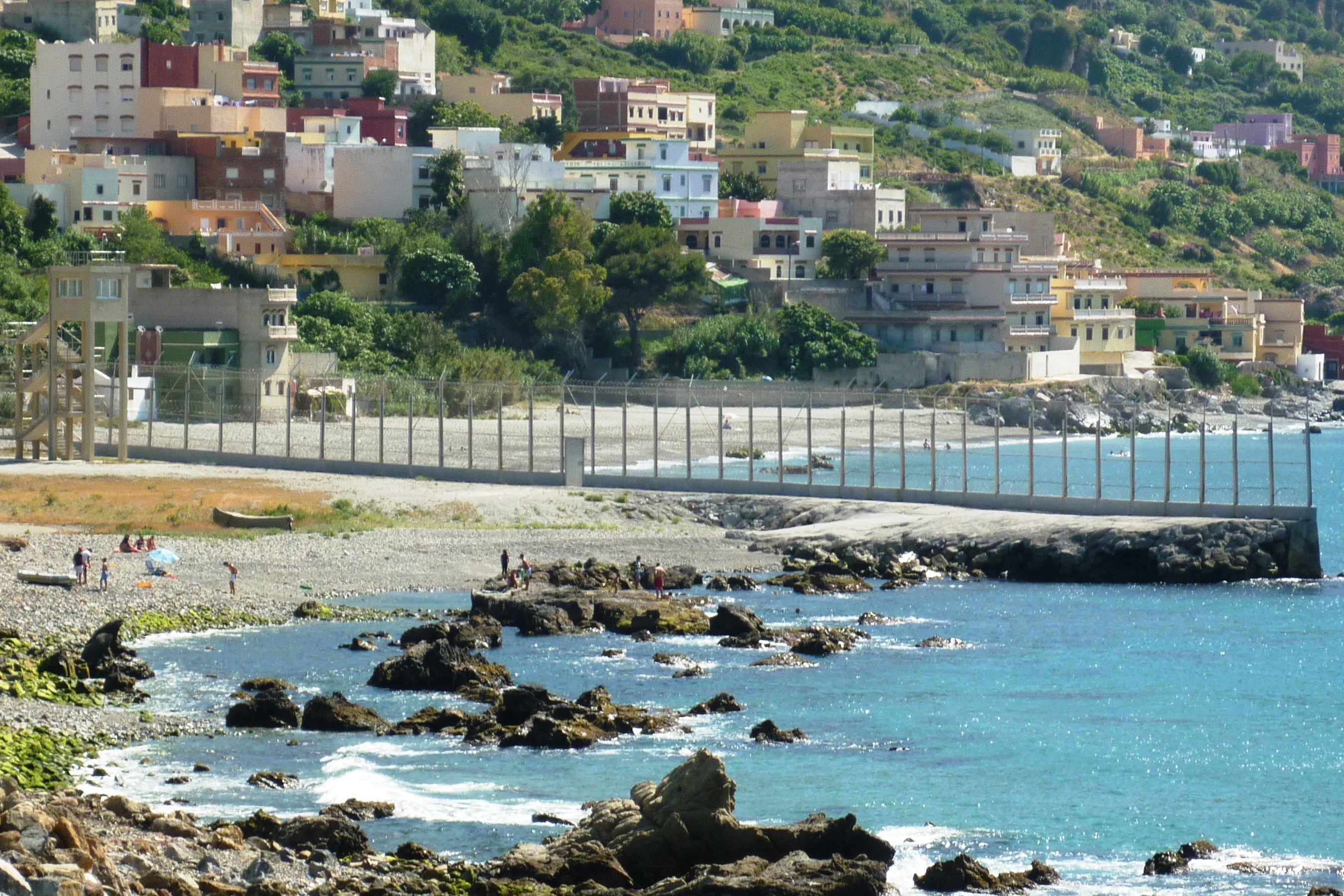
Up to 60,000 migrants crossed from Morocco into the Spanish enclave of Ceuta on July 31 [1].
The surge represents a significant security challenge for Spain and Morocco, highlighting the persistent volatility of the North African border and the desperation of those seeking entry into Europe.
Spanish authorities responded to the influx by deploying military forces to restore order and prevent further crossings [5]. The scale of the movement overwhelmed local infrastructure, but the majority of those who entered did not stay. About 48,000 people returned to Morocco voluntarily within a single day [1].
The human cost of the surge remains a point of contention among reporting agencies. Some sources, including the Associated Press and CBS News, said at least 18 migrants died during the attempt [3]. However, CNN and KQ2 said at least 57 people died [4]. The New York Times summarized the casualties as nearly three dozen [1].
Ceuta is a Spanish territory located on the North African coast, bordering Morocco. The enclave has long been a focal point for migration attempts into the European Union. The rapid movement of tens of thousands of people, with some reports citing about 50,000 entrants [4], created a chaotic environment at the border fences.
Spanish officials focused on the immediate stabilization of the border. The deployment of the military was intended to secure the perimeter and manage the flow of people returning to Moroccan territory [5].
“Up to 60,000 migrants crossed from Morocco into the Spanish enclave of Ceuta”
The discrepancy in death tolls and the rapid voluntary return of the majority of migrants suggest a highly chaotic event where official accounting was difficult. The use of military force to secure the border underscores the Spanish government's priority of territorial integrity over the processing of asylum seekers during mass-influx events.


