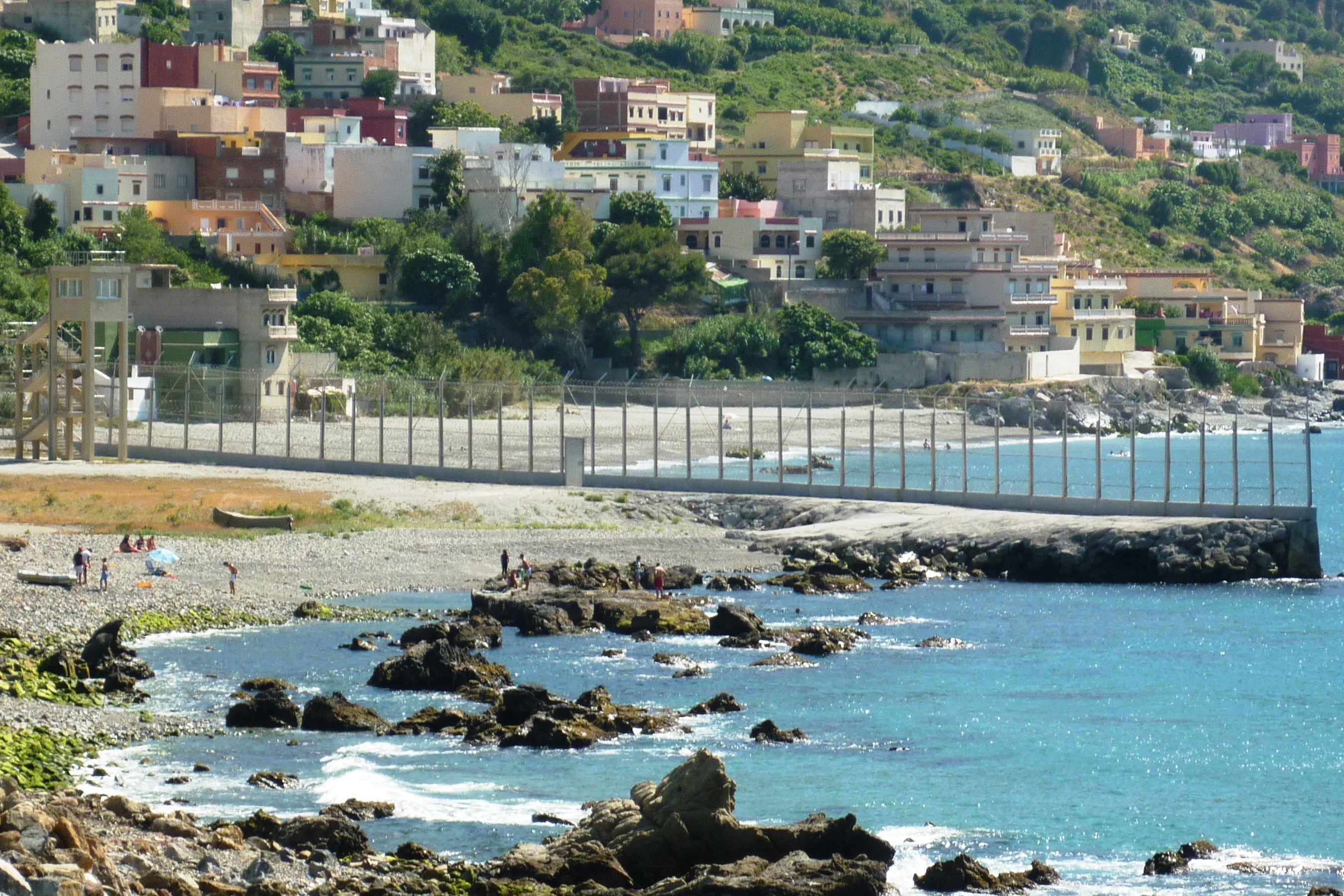
Residents of Ceuta shut down a far-right anti-migrant rally in the Spanish enclave on the north coast of Africa [1].
The event highlights a growing local resistance to nationalist rhetoric in a region that serves as a primary entry point for migrants entering Europe. Because Ceuta is a frontline territory for migration, the social friction between far-right ideologies and community tolerance often manifests in direct public confrontations.
Local citizens acted to prevent the rally from proceeding by physically blocking the event [1]. The residents opposed the anti-immigrant message promoted by the far-right organizers and intervened to ensure the demonstration did not continue [2].
Ceuta's unique geography as a Spanish territory located in Africa makes it a focal point for migration debates. The tension in the city has escalated as far-right groups attempt to mobilize against the presence of migrants [2]. By shutting down the rally, the residents signaled a refusal to allow these messages to dominate the public square.
Reports indicate that the residents' actions were a direct response to the nature of the rally's messaging [1]. The community's decision to intervene suggests a shift in how some local populations engage with political extremism, preferring direct action over passive observation.
While far-right groups have attempted to gain a foothold in the region, the recent clash demonstrates that such movements face significant opposition from the people living within the enclave [2].
“Residents of Ceuta shut down a far-right anti-migrant rally”
This incident reflects a localized pushback against the broader trend of far-right mobilization across Europe. In a high-pressure environment like Ceuta, where migration is a daily reality, the active rejection of anti-migrant rallies by residents indicates that nationalist rhetoric may not have universal appeal even in border zones prone to such influence.


