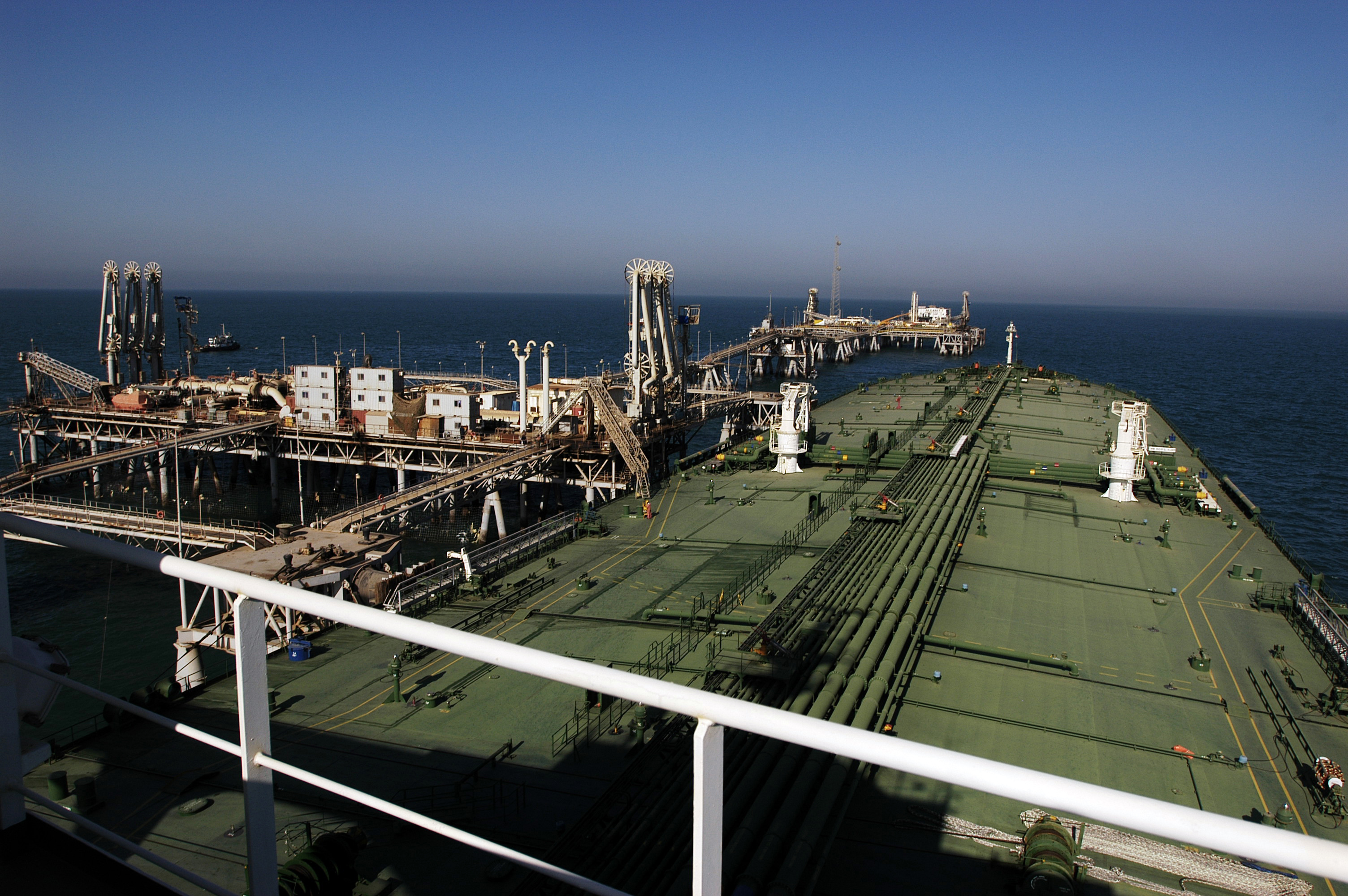
China is unlikely to increase oil purchases from the Persian Gulf even if the Strait of Hormuz reopens [1].
This shift in procurement strategy suggests a decoupling from traditional energy dependencies during periods of regional instability. By leveraging massive domestic reserves, the Chinese government and its state-owned oil companies have insulated their economy from the volatility of the Middle East trade routes.
Reports indicate that China has built up large oil inventories within its domestic storage facilities [1]. This strategic stockpiling allows the nation to maintain energy security without returning to pre-war import levels from the Persian Gulf [1]. While other global markets may scramble for supply should shipping lanes reopen, China's current market conditions mean it does not require an immediate surge in imports [1].
The decision to maintain current purchase levels reflects a broader move toward energy independence, and risk mitigation. By diversifying its sources and maximizing storage, China has reduced the leverage typically held by Gulf producers during geopolitical crises [1].
State-owned oil companies have managed these inventories to ensure that industrial production remains steady despite the ongoing tensions surrounding the Strait of Hormuz [1]. This approach prioritizes long-term stability over the immediate procurement of spot-market oil [1].
“China is unlikely to increase oil purchases from the Persian Gulf even if the Strait of Hormuz reopens.”
China's willingness to forgo increased imports from the Persian Gulf indicates a strategic shift in global energy dynamics. By maintaining high reserves, China reduces its vulnerability to maritime chokepoints and signals a move away from the 'just-in-time' delivery model, potentially altering the economic leverage of oil-exporting nations in the Middle East.


