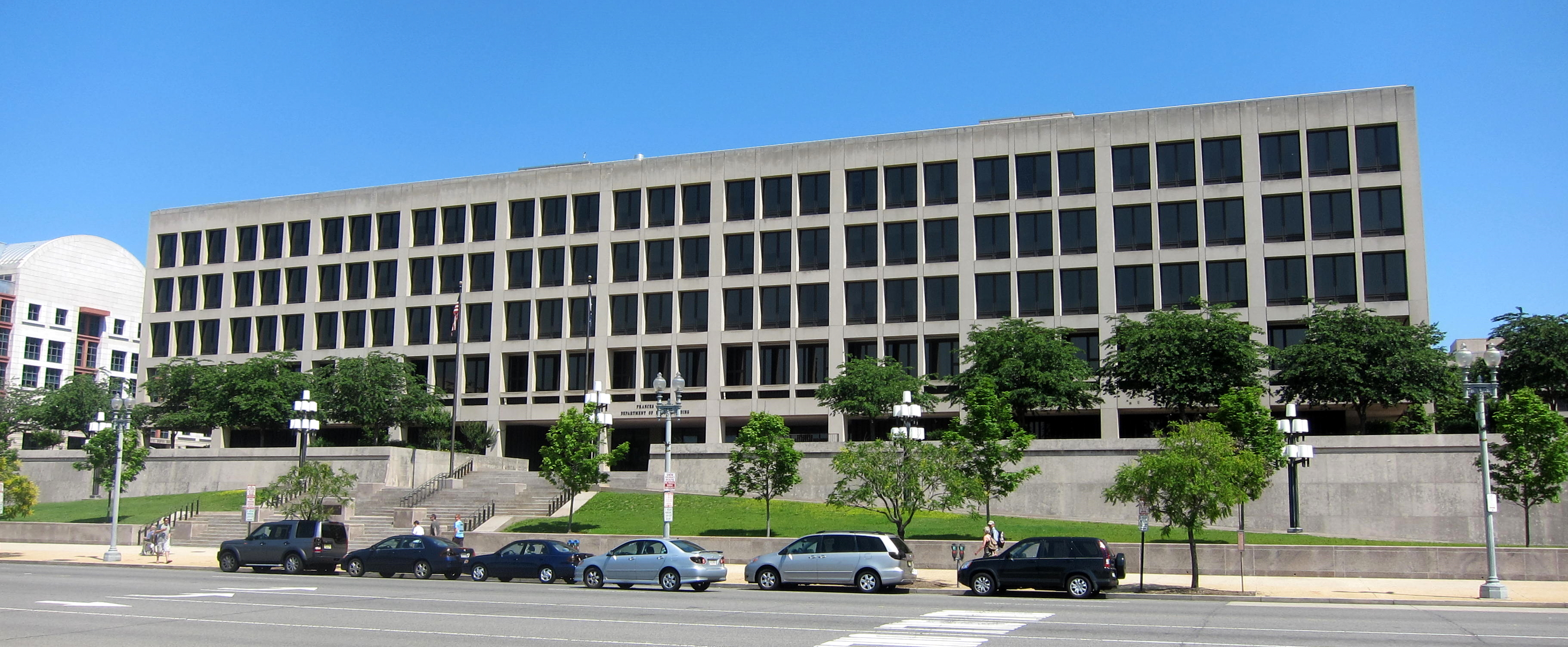
The U.S. Department of Labor issued guidance stating that commuting time for hybrid employees is not compensable under the Fair Labor Standards Act [1].
This ruling establishes a federal baseline for pay disputes as more companies adopt flexible work models. It prevents a surge of wage claims from employees who shift their travel schedules to avoid rush-hour traffic.
On July 22, 2026, the Wage and Hour Division released two [1] opinion letters to clarify travel requirements for hybrid and mobile workers [1]. The guidance specifies that the time spent traveling from a home office to a corporate site does not constitute compensable work time [2].
Under the Fair Labor Standards Act, normal commuting is generally excluded from hours worked. The Department of Labor said that this principle remains the same for hybrid employees, even if their travel patterns differ from traditional five-day-a-week office workers [1].
Employers often face questions regarding "mobile" workers who may start their day at home before traveling to a client site or office. The new letters provide a framework for these scenarios, ensuring that the transition from a home environment to a professional site is treated as a commute rather than a paid work activity [1].
This clarification aims to reduce ambiguity for payroll departments and legal teams. By defining these boundaries, the agency said it intends to standardize how the law applies to the modern, fragmented workday [2].
“Commuting time for hybrid employees is not compensable under the Fair Labor Standards Act.”
This guidance reinforces the traditional 'commute' definition in an era of flexible work. By explicitly denying pay for travel to the office, the DOL is shielding employers from potential class-action lawsuits centered on the unique scheduling of hybrid workers, effectively ruling that the flexibility of when one travels does not transform a commute into a compensable work task.


