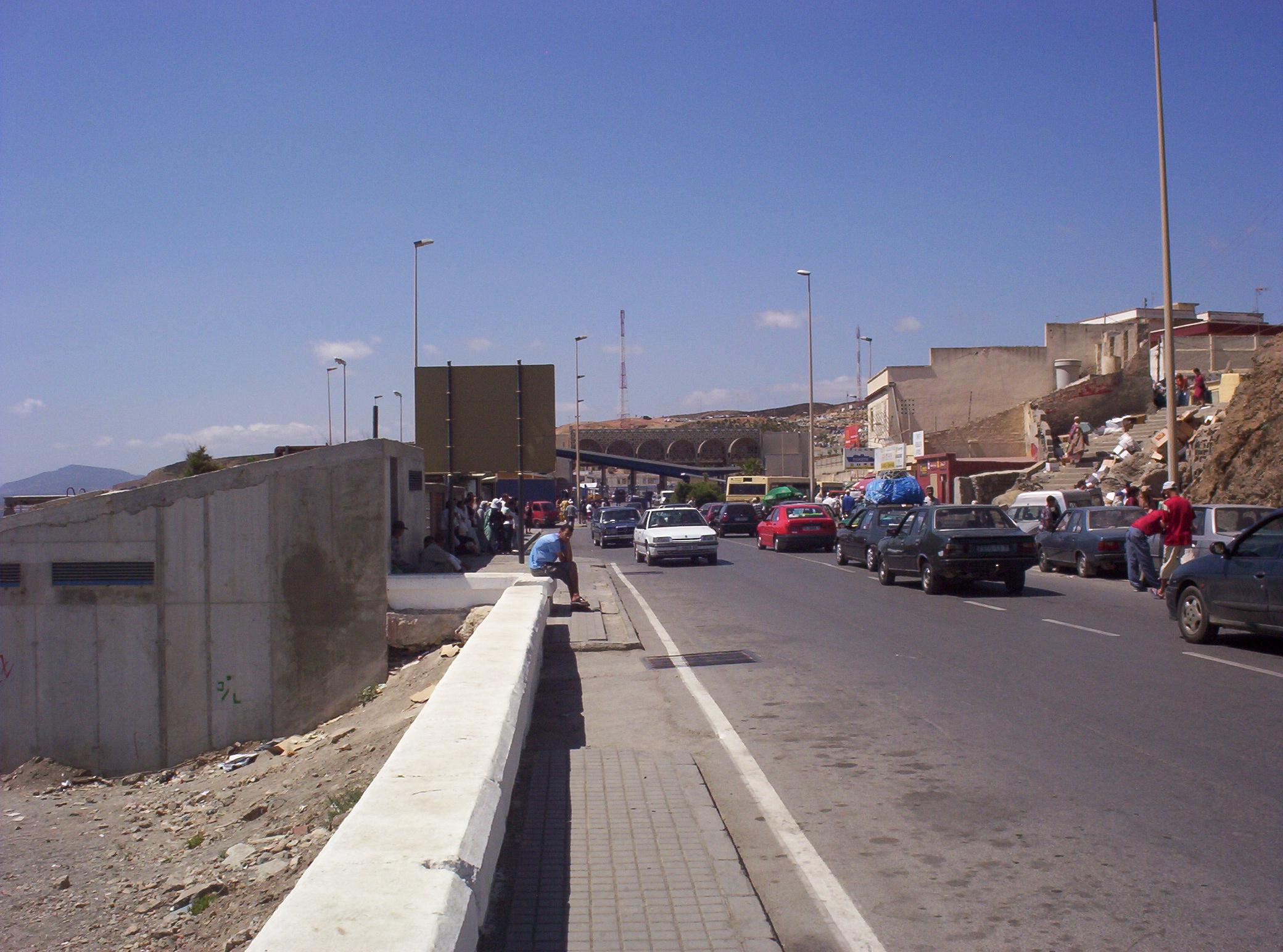
The European Union issued a warning against uncontrolled mass migration after thousands of people crossed into the Spanish enclave of Ceuta [2].
This surge creates a diplomatic crisis between the EU and North African neighbors. The situation highlights the tension between humanitarian needs and the European desire to prevent irregular migration from being used as a political tool.
Spain responded to the border breach by deploying military personnel to Ceuta to restore order [3]. The enclave, located on the North African coast bordering Morocco, has become a focal point for those attempting to enter the EU. Officials said the deployment is necessary to secure the frontier after thousands of migrants entered the territory [2].
EU officials said the surge reflects a trend where irregular migration is utilized for political leverage. They said there is a need to prevent the perception that illegal entry into the enclave leads to permanent residence within the EU [1].
While much of the focus remains on the land border, the broader migration crisis has resulted in significant loss of life. At least 18 people died in sea crossings linked to the migration surge [2]. The deaths underscore the danger of the routes used by those attempting to reach European shores, even as land borders are reinforced with military force.
Spain and the EU continue to coordinate their response to manage the flow of people. The coordination involves both security measures and diplomatic efforts to address the root causes of the movement from Morocco [1], [3].
“Spain responded to the border breach by deploying military personnel to Ceuta to restore order.”
The deployment of the Spanish military and the EU's rhetoric suggest a shift toward securitization of the North African border. By framing the migration surge as a political tool, the EU is signaling that it will prioritize border integrity and deterrence over open-door policies to avoid giving external political actors leverage over European domestic policy.

'%2F%3E%0A%20%20%20%20%3Crect%20width%3D'1600'%20height%3D'900'%20fill%3D'url(%23v)'%2F%3E%0A%20%20%20%20%3Cg%20opacity%3D'0.08'%20fill%3D'%23ffffff'%3E%0A%20%20%20%20%20%20%3Ccircle%20cx%3D'1420'%20cy%3D'180'%20r%3D'220'%2F%3E%0A%20%20%20%20%20%20%3Ccircle%20cx%3D'1500'%20cy%3D'760'%20r%3D'120'%2F%3E%0A%20%20%20%20%3C%2Fg%3E%0A%20%20%20%20%3Cline%20x1%3D'80'%20y1%3D'172'%20x2%3D'220'%20y2%3D'172'%20stroke%3D'%23ffffff'%20stroke-width%3D'3'%20stroke-opacity%3D'0.6'%2F%3E%0A%20%20%20%20%3Ctext%20x%3D'80'%20y%3D'140'%20font-family%3D'Inter%2C%20-apple-system%2C%20Helvetica%2C%20sans-serif'%20font-weight%3D'700'%20font-size%3D'28'%20fill%3D'%23ffffff'%20letter-spacing%3D'6'%3EHANNA%20%C2%B7%20NEWS%3C%2Ftext%3E%0A%20%20%20%20%3Ctext%20x%3D'80'%20y%3D'230'%20font-family%3D'Inter%2C%20-apple-system%2C%20Helvetica%2C%20sans-serif'%20font-weight%3D'600'%20font-size%3D'40'%20fill%3D'%23ffffffb3'%20letter-spacing%3D'4'%3EWORLD%3C%2Ftext%3E%0A%20%20%20%20%3Ctext%20x%3D'80'%20y%3D'694'%20font-family%3D'Playfair%20Display%2C%20Georgia%2C%20serif'%20font-weight%3D'800'%20font-size%3D'110'%20fill%3D'%23ffffff'%20letter-spacing%3D'-1'%3EJapan%20Faces%20Extreme%20Heat%20and%3C%2Ftext%3E%3Ctext%20x%3D'80'%20y%3D'820'%20font-family%3D'Playfair%20Display%2C%20Georgia%2C%20serif'%20font-weight%3D'800'%20font-size%3D'110'%20fill%3D'%23ffffff'%20letter-spacing%3D'-1'%3EStorms%3C%2Ftext%3E%0A%20%20%20%20%3Ctext%20x%3D'80'%20y%3D'870'%20font-family%3D'Inter%2C%20-apple-system%2C%20Helvetica%2C%20sans-serif'%20font-weight%3D'500'%20font-size%3D'22'%20fill%3D'%23ffffff66'%20letter-spacing%3D'2'%3Enews.hanna-ai.com%3C%2Ftext%3E%0A%20%20%3C%2Fsvg%3E)
