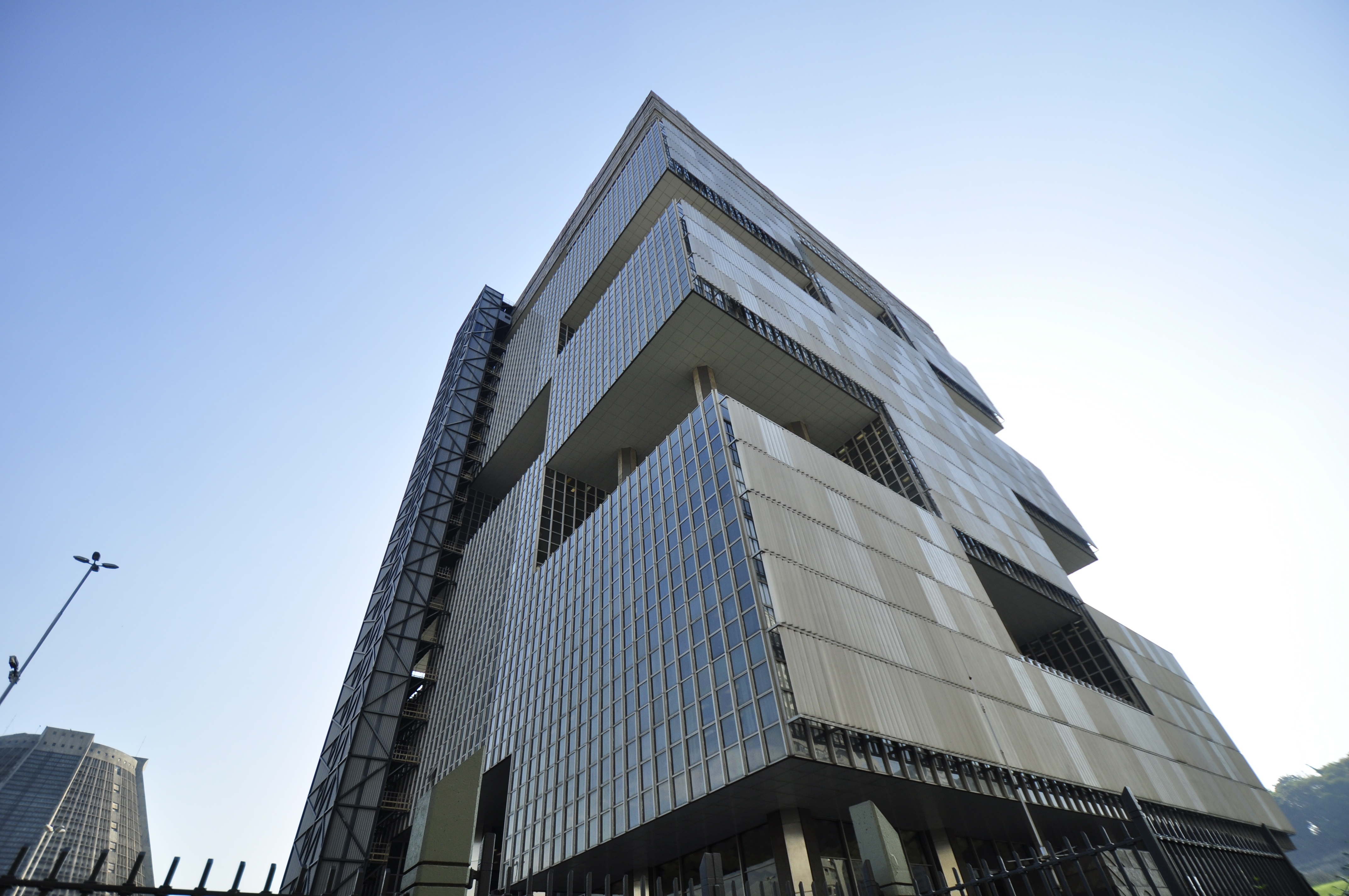
The Brazilian stock index, Ibovespa, fell below 170,000 points on Tuesday, trading around 169,600 [1].
This decline reflects the market's sensitivity to global energy fluctuations. Because Petrobras and other oil-related stocks hold significant weight in the index, a drop in crude prices often triggers a broader sell-off across the B3 stock exchange.
The index recorded a drop of approximately 0.5% [2]. This downward movement was primarily driven by the weak performance of Petrobras shares, which reacted to a decline in global oil prices [3]. The pressure from the energy sector weighed heavily on the overall market performance, pushing the index below the 170,000-point threshold [1].
Currency fluctuations also played a role in the trading environment. The dollar exchange rate was noted at R$5.07 per U.S. dollar [4].
While the market experienced this dip, some investors maintain a long-term bullish outlook. Market discussions have previously highlighted a target of 200,000 points for the Ibovespa [5]. However, recent volatility shows a departure from previous levels, such as the 174,056.86 points recorded on a previous Friday [6].
The current slump follows a pattern of volatility where the index has fluctuated significantly. For instance, earlier data showed the index at 121,675.73 points during a different session, marking a 0.27% drop at that time [7]. The current movement back toward the 169,000 range underscores the ongoing impact of commodity pricing on Brazilian equities.
“The Ibovespa fell below 170,000 points, trading around 169,600.”
The Ibovespa's drop illustrates the high correlation between Brazil's equity market and global commodity prices. As a commodity-exporting powerhouse, Brazil's index is heavily weighted toward energy and mining; therefore, a slump in oil prices directly impacts the valuation of state-led giants like Petrobras, creating a ripple effect that can erase billions in market capitalization regardless of domestic economic stability.


'%2F%3E%0A%20%20%20%20%3Crect%20width%3D'1600'%20height%3D'900'%20fill%3D'url(%23v)'%2F%3E%0A%20%20%20%20%3Cg%20opacity%3D'0.08'%20fill%3D'%23ffffff'%3E%0A%20%20%20%20%20%20%3Ccircle%20cx%3D'1420'%20cy%3D'180'%20r%3D'220'%2F%3E%0A%20%20%20%20%20%20%3Ccircle%20cx%3D'1500'%20cy%3D'760'%20r%3D'120'%2F%3E%0A%20%20%20%20%3C%2Fg%3E%0A%20%20%20%20%3Cline%20x1%3D'80'%20y1%3D'172'%20x2%3D'220'%20y2%3D'172'%20stroke%3D'%23ffffff'%20stroke-width%3D'3'%20stroke-opacity%3D'0.6'%2F%3E%0A%20%20%20%20%3Ctext%20x%3D'80'%20y%3D'140'%20font-family%3D'Inter%2C%20-apple-system%2C%20Helvetica%2C%20sans-serif'%20font-weight%3D'700'%20font-size%3D'28'%20fill%3D'%23ffffff'%20letter-spacing%3D'6'%3EHANNA%20%C2%B7%20NEWS%3C%2Ftext%3E%0A%20%20%20%20%3Ctext%20x%3D'80'%20y%3D'230'%20font-family%3D'Inter%2C%20-apple-system%2C%20Helvetica%2C%20sans-serif'%20font-weight%3D'600'%20font-size%3D'40'%20fill%3D'%23ffffffb3'%20letter-spacing%3D'4'%3EWORLD%3C%2Ftext%3E%0A%20%20%20%20%3Ctext%20x%3D'80'%20y%3D'622'%20font-family%3D'Playfair%20Display%2C%20Georgia%2C%20serif'%20font-weight%3D'800'%20font-size%3D'86'%20fill%3D'%23ffffff'%20letter-spacing%3D'-1'%3ELagos%20Artists%20Use%3C%2Ftext%3E%3Ctext%20x%3D'80'%20y%3D'721'%20font-family%3D'Playfair%20Display%2C%20Georgia%2C%20serif'%20font-weight%3D'800'%20font-size%3D'86'%20fill%3D'%23ffffff'%20letter-spacing%3D'-1'%3EPerformance%20Art%20to%20Protest%3C%2Ftext%3E%3Ctext%20x%3D'80'%20y%3D'820'%20font-family%3D'Playfair%20Display%2C%20Georgia%2C%20serif'%20font-weight%3D'800'%20font-size%3D'86'%20fill%3D'%23ffffff'%20letter-spacing%3D'-1'%3EInsecurity%3C%2Ftext%3E%0A%20%20%20%20%3Ctext%20x%3D'80'%20y%3D'870'%20font-family%3D'Inter%2C%20-apple-system%2C%20Helvetica%2C%20sans-serif'%20font-weight%3D'500'%20font-size%3D'22'%20fill%3D'%23ffffff66'%20letter-spacing%3D'2'%3Enews.hanna-ai.com%3C%2Ftext%3E%0A%20%20%3C%2Fsvg%3E)