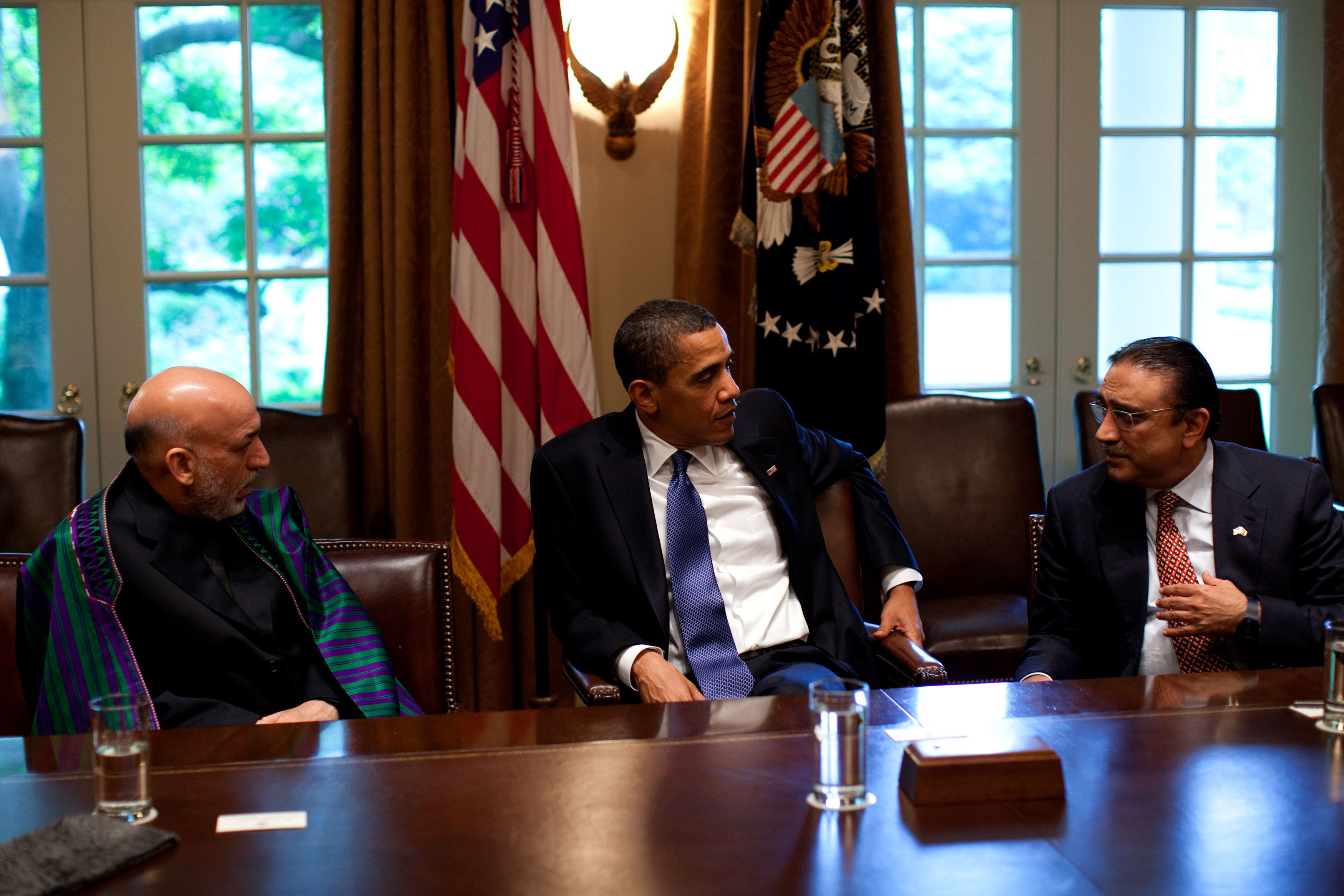
India's Ministry of External Affairs rejected comments from Pakistan President Asif Ali Zardari regarding alleged threats to historic Muslim religious sites in India [1].
The dispute underscores the volatile diplomatic relationship between the two neighbors, where accusations of internal interference often stall efforts toward regional stability.
New Delhi described the remarks as "absurd" and an "unwarranted interference" in its own domestic affairs [2]. A spokesperson for the ministry said the comments were unacceptable, emphasizing that the Pakistani leader has no right to weigh in on the administration of Indian heritage [1].
President Zardari had alleged that historic Muslim religious sites within India were facing threats [3]. India responded by stating that Pakistan has "no locus standi to comment on matters that are internal to India" [3].
The Ministry of External Affairs maintained that the assertions made by Zardari were baseless. The Indian government continues to assert its sovereign right to manage its internal religious and cultural sites without external commentary from Islamabad [2].
This latest exchange follows a pattern of rhetoric where religious sites and minority rights are frequently used as focal points for diplomatic friction between the two nations [1]. The Indian government has consistently dismissed such claims as attempts to destabilize internal harmony through foreign influence [2].
“"no locus standi to comment on matters that are internal to India"”
This clash reflects the deep-seated mistrust and the 'zero-sum' nature of India-Pakistan relations. By framing the issue as a violation of sovereignty and 'locus standi,' India is signaling that it will not engage in bilateral dialogue that is predicated on Pakistan's critique of its domestic human rights or religious policies.