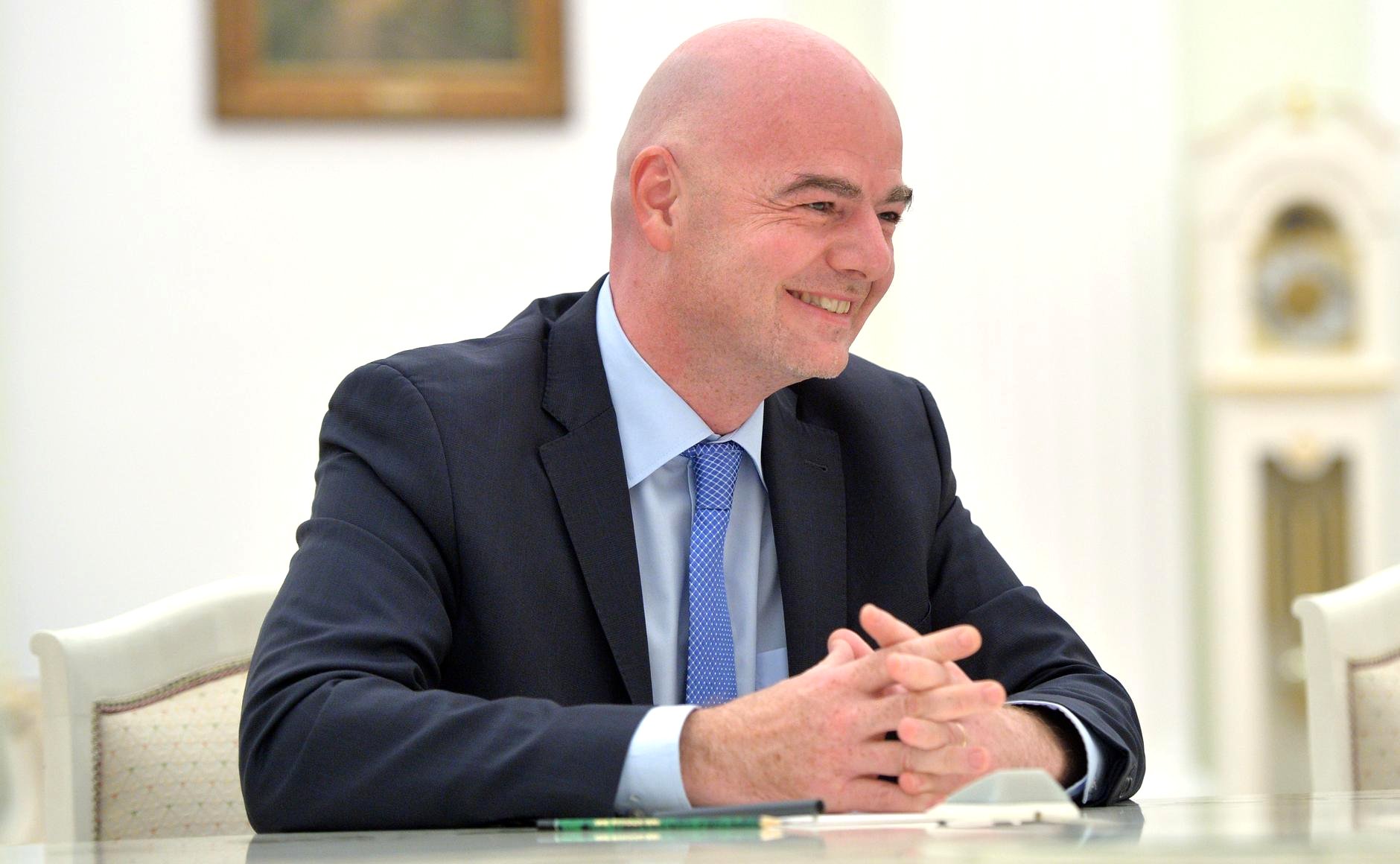
FIFA President Gianni Infantino has scheduled crisis talks with senior officials following the collapse of a plan to sell stakes in commercial operations [1].
The meeting comes as the organization faces internal instability and a loss of diplomatic support. The failure of the proposal to monetize FIFA's event assets has triggered a wave of criticism from staff and a boycott by the Union of European Football Associations (UEFA) [1, 2, 3].
Infantino is attempting to stabilize the governing body after a proposal to sell stakes in FIFA's commercial and event operations failed to gain traction [1, 2]. The move was intended to restructure how the organization manages its most lucrative assets, including the World Cup, but instead resulted in dwindling allies within the football hierarchy [1, 2].
Staff members have spoken out against the leadership's direction, contributing to the current atmosphere of dissent [1, 2]. This internal friction is compounded by the UEFA boycott, which signals a significant rift between the global governing body and Europe's regional authority [3].
The crisis meeting, convened in early August, aims to address the immediate fallout from the failed sale and the resulting organizational fragmentation [1]. Senior officials are expected to discuss the future of FIFA's commercial strategy and how to mend relations with both employees and external partners [1, 2].
While FIFA has not released a formal agenda for the talks, the urgency of the summons suggests a need for a rapid pivot in strategy to prevent further isolation [1, 2]. The organization now finds itself navigating a period of heightened scrutiny regarding its governance and the commercialization of the sport [1, 3].
“FIFA President Gianni Infantino has scheduled crisis talks with senior officials following the collapse of a plan to sell stakes in commercial operations.”
The collapse of the commercial sale plan represents a significant blow to Infantino's strategic vision for FIFA's revenue growth. By alienating both internal staff and a powerful entity like UEFA, the president has shifted from a position of strength to one of crisis management. This instability may embolden critics of FIFA's governance and complicate the organization's ability to execute future commercial contracts if it cannot first restore internal and regional unity.

