Iran is weighing diplomatic engagement against possible military escalation following recent public remarks by U.S. President Donald Trump [1].
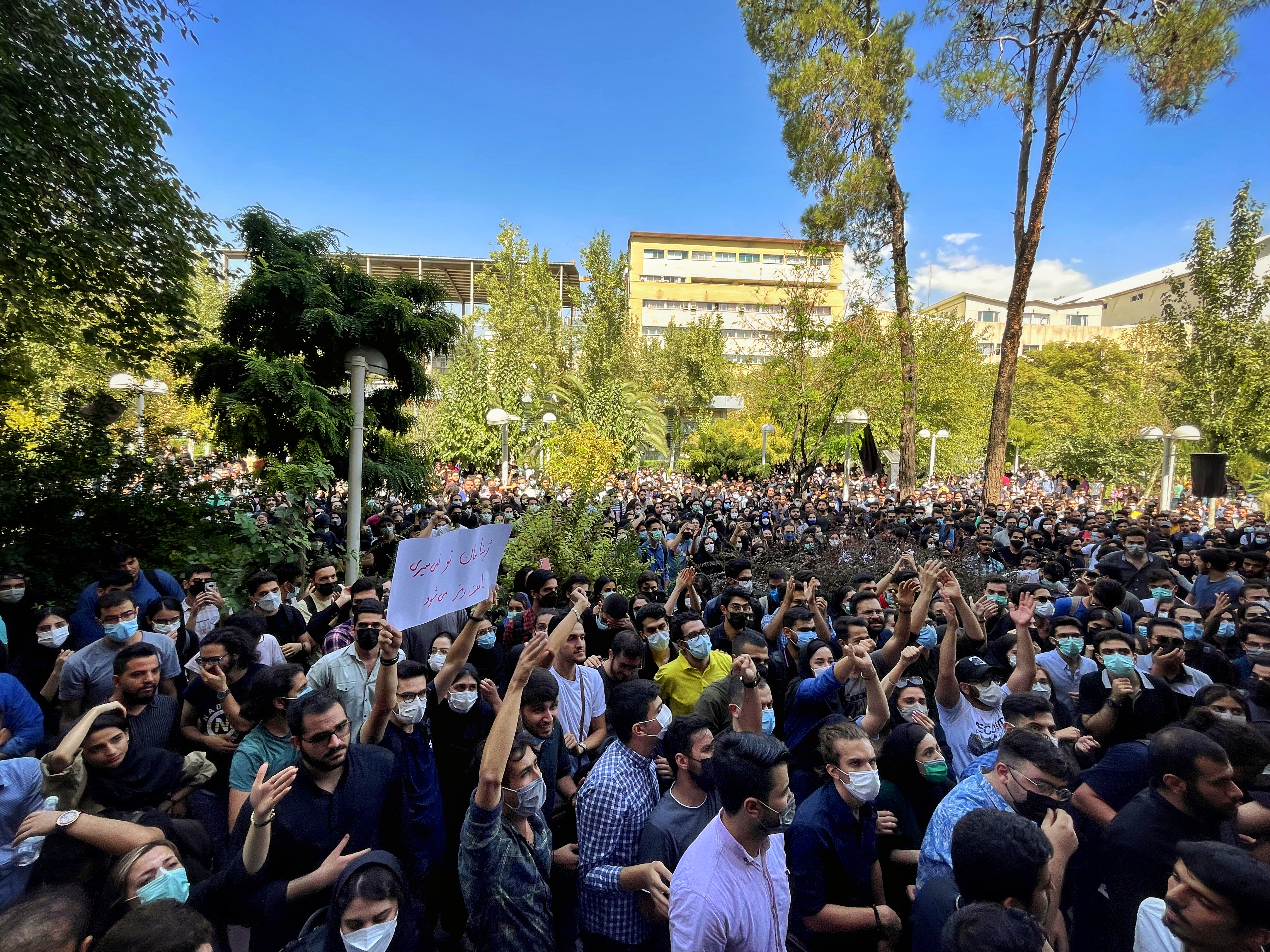
The situation creates a volatile environment in Tehran, where the government must balance the desire for economic relief with the need to maintain a defensive posture. This uncertainty comes as the Iranian public faces increasing frustration and economic pressure [2].
Iranian officials have signaled a readiness for both diplomatic overtures and defensive measures [2]. The ambiguity of the current U.S. approach has left Tehran in a state of flux, attempting to determine if the administration is seeking a breakthrough or preparing for further conflict [1].
Global markets have reacted with mixed signals to the shifting rhetoric. Some investors expressed optimism that a resolution to the conflict is possible, while others remained wary of sudden escalation [4]. This volatility was evident in the commodities market, where the price of gold jumped 2.4% [5] after Trump signaled a possible end to the Iran war.
However, this optimism is countered by reports of continued military planning. Some sources said the U.S. plans new Iran strikes as Trump warns Tehran, which has led Iranian officials to prepare a response [3]. The contradiction between diplomatic signals and military preparations has intensified the atmosphere of instability within the region.
Public sentiment in Tehran remains strained. The combination of economic hardship and the threat of renewed escalation has heightened domestic tensions [2]. Officials continue to monitor U.S. movements while maintaining their readiness for any eventuality [1].
“Iran is weighing diplomatic engagement against possible military escalation.”
The current tension reflects a high-stakes strategy of 'maximum pressure' combined with unpredictable diplomatic signaling. By oscillating between threats of military strikes and hints of a breakthrough, the U.S. administration is attempting to force concessions from Tehran. For Iran, the risk is two-fold: a diplomatic misstep could lead to military conflict, while a failure to engage could deepen the economic crisis fueling domestic unrest.