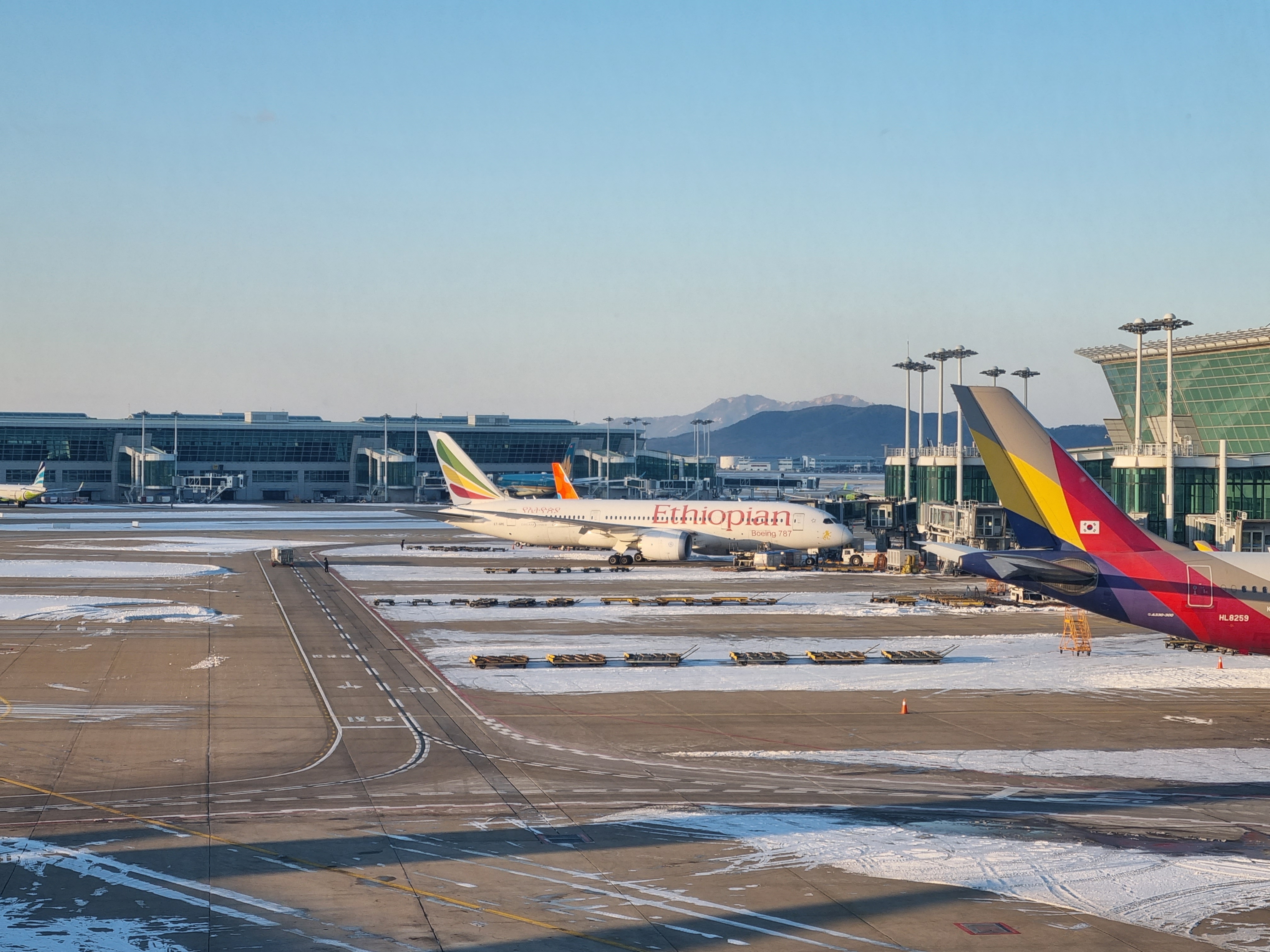
Flights from South Korea to Japan continue to operate as scheduled following a strong earthquake in the Kyushu region [1].
This stability in travel operations indicates that the aviation and tourism sectors believe the regional impact is contained, preventing a wider disruption of travel between the two neighbors during a period of high activity.
Operations at Incheon International Airport remain normal, with flights to Japan proceeding without interruption [1], [2]. Airlines and travel agencies have assessed the situation and determined there are no safety issues for travelers [1]. While monitoring the situation continues, the industry maintains that the risk level does not warrant the cancellation of flights or tour packages.
Travelers departing from Incheon expressed some anxiety about the seismic activity but said they are proceeding with their planned itineraries [2]. The decision to maintain schedules reflects a coordinated effort by travel providers to ensure continuity while keeping a close watch on Japanese authorities' reports.
“Traveler safety is fine… we are continuously monitoring the situation,” a travel industry spokesperson said [2].
Major travel agencies have confirmed that itineraries for regions adjacent to the quake are proceeding as planned [2]. The industry's approach relies on real-time data to determine if specific destinations within Japan require evacuation or schedule changes, though no such wide-scale changes have been implemented at this time.
Representatives from the aviation sector said that the infrastructure at destination airports remains functional enough to support standard arrivals and departures [1]. The continued flow of passengers suggests a level of confidence in the resilience of Japan's transport network following the quake.
““Traveler safety is fine… we are continuously monitoring the situation,””
The decision by Korean airlines and travel agencies to maintain normal operations despite a strong earthquake in Kyushu suggests a high threshold for triggering travel suspensions. By prioritizing continuity, the industry avoids the massive logistical and financial ripple effects of mass cancellations, provided that primary infrastructure like airports remains operational.


